Is Graphene Window Tint Worth It for Georgia Heat in 2026?
Georgia summers can feel like a pressure test for your vehicle. In Rome, GA, that heat is not just uncomfortable, it can be relentless: hot steering wheels, scorching seats, more glare on Highway 27, and an A/C system that works overtime. That is why “graphene
window tint” has become one of the most searched premium options for drivers looking for serious heat control.
But graphene also comes with hype. If you are comparing premium films in 2026, the real question is not whether graphene is “good.” The question is whether graphene tint is worth the price for your specific car, your daily routes around northwest Georgia, and your expectations for comfort, clarity, and long term value.
This guide breaks it down in plain English. You will learn what graphene tint is, how it is marketed, what performance factors actually matter in Georgia heat, and how graphene compares with high end ceramic films. You will also see how premium LLumar auto window tinting products fit into a smart decision without assuming any single buzzword is automatically best.
Table of contents
- What graphene window tint is (and is not)
- Why Georgia heat feels harsher inside a car
- What matters most: the performance metrics to compare
- What graphene tint can do well
- Graphene vs ceramic tint: a fair comparison
- When graphene is worth it (and when it is not)
- Installation quality: the performance multiplier
- Where premium LLumar films fit into the decision
- Practical recommendations for Rome, GA drivers
- Conclusion
What graphene window tint is (and is not)
Graphene in simple terms
Graphene is a form of carbon arranged in an ultra thin lattice. In the materials world it is associated with high strength and strong thermal and electrical conductivity. In window film, “graphene” usually refers to a film that uses graphene infused layers or coatings to influence heat management and stability.
What graphene tint is not
Graphene tint is not a magic shield that blocks all heat. It is also not automatically better than every ceramic film. Different brands engineer their films differently, and the final real world result depends on:
- How the film is constructed (layers, adhesives, protective coating)
- How it handles infrared energy and solar energy overall
- Visible light transmission (VLT) and how dark you choose to go
- Installation quality and glass coverage decisions
Why Georgia heat feels harsher inside a car
Solar energy, glass, and the greenhouse effect
Your car’s windows are a fast path for sunlight energy to enter the cabin. Visible light gets in, surfaces absorb it, then re release it as heat. That trapped heat is why a parked car becomes unbearable so quickly even on days that do not seem extreme.
Rome, GA driving conditions that matter
Northwest Georgia drivers see a mix of strong sun, humid air, and frequent stop and go. That combination matters because:
- Humidity can make the cabin feel hotter than the temperature suggests.
- Stoplights and traffic reduce airflow, so cabin heat builds faster.
- Morning and late afternoon sun increases glare at lower angles.
- Long commutes or frequent short trips both punish comfort in different ways.
What matters most: the performance metrics to compare
If you want a decision that holds up beyond marketing, compare premium films using measurable factors.
1) IR rejection (infrared heat control)
Infrared energy is a major contributor to the “burning” feeling you notice on skin. Many premium films focus heavily on infrared rejection because it is directly tied to comfort.
2) TSER (total solar energy rejected)
TSER is one of the best summary metrics for overall heat control. It reflects how much total solar energy the film rejects across a wider spectrum. When comparing films, TSER often gives a more realistic picture than one single IR number.
3) UV protection
Quality automotive films typically block the majority of UV rays. This helps protect skin and reduces interior fading, cracking, and discoloration over time. In Georgia sun, UV protection is a long term value feature, not a luxury.
4) Glare reduction and visual comfort
Glare is more than annoyance. It is eye fatigue, slower reaction time, and a harder drive in rain or bright conditions. Your tint shade and film quality both influence glare reduction and clarity.
5) Clarity and haze control
Premium films should look clean and consistent from the inside and outside. Haze, distortion, and a “milky” look often show up with lower quality materials or rushed installs.
6) Signal compatibility for modern vehicles
Most modern premium films are non metallic, which helps avoid issues with GPS, Bluetooth, and advanced driver assistance sensors. This matters for newer vehicles and especially for tech heavy models.
What graphene tint can do well
When graphene films are engineered well, they are usually positioned as a premium step up from entry level dyed or basic carbon films. Potential advantages often include:
Strong heat management with lighter shades
A major reason people shop premium films is comfort without going extremely dark. If you want a lighter legal look but still want noticeable cabin comfort improvements, graphene is often marketed in that direction. The real outcome depends on the specific film’s TSER and how you tint the windshield and panoramic glass areas.
Color stability and a clean appearance
Drivers in Rome, GA often keep vehicles for years. Color stability matters because low quality films can fade or shift over time, sometimes taking on a purple or brown hue. Premium class films are designed to stay stable and consistent.
Comfort on long drives
Heat is cumulative. The longer you are on the road, the more your interior materials and glass heat soak. A high performance film can reduce that heat load so your A/C reaches and maintains comfort faster.
Perceived durability
Graphene products are often discussed as durable and scratch resistant at the coating level. What matters more in practice is warranty coverage, installer skill, and how the film holds up in real Georgia conditions such as intense sun, high cabin temperatures, and frequent window use.
Graphene vs ceramic tint: a fair comparison
Most shoppers who ask about graphene are really trying to choose between two premium categories: graphene and ceramic. Here is a practical comparison focused on how it feels in a Georgia summer.
Heat rejection and comfort
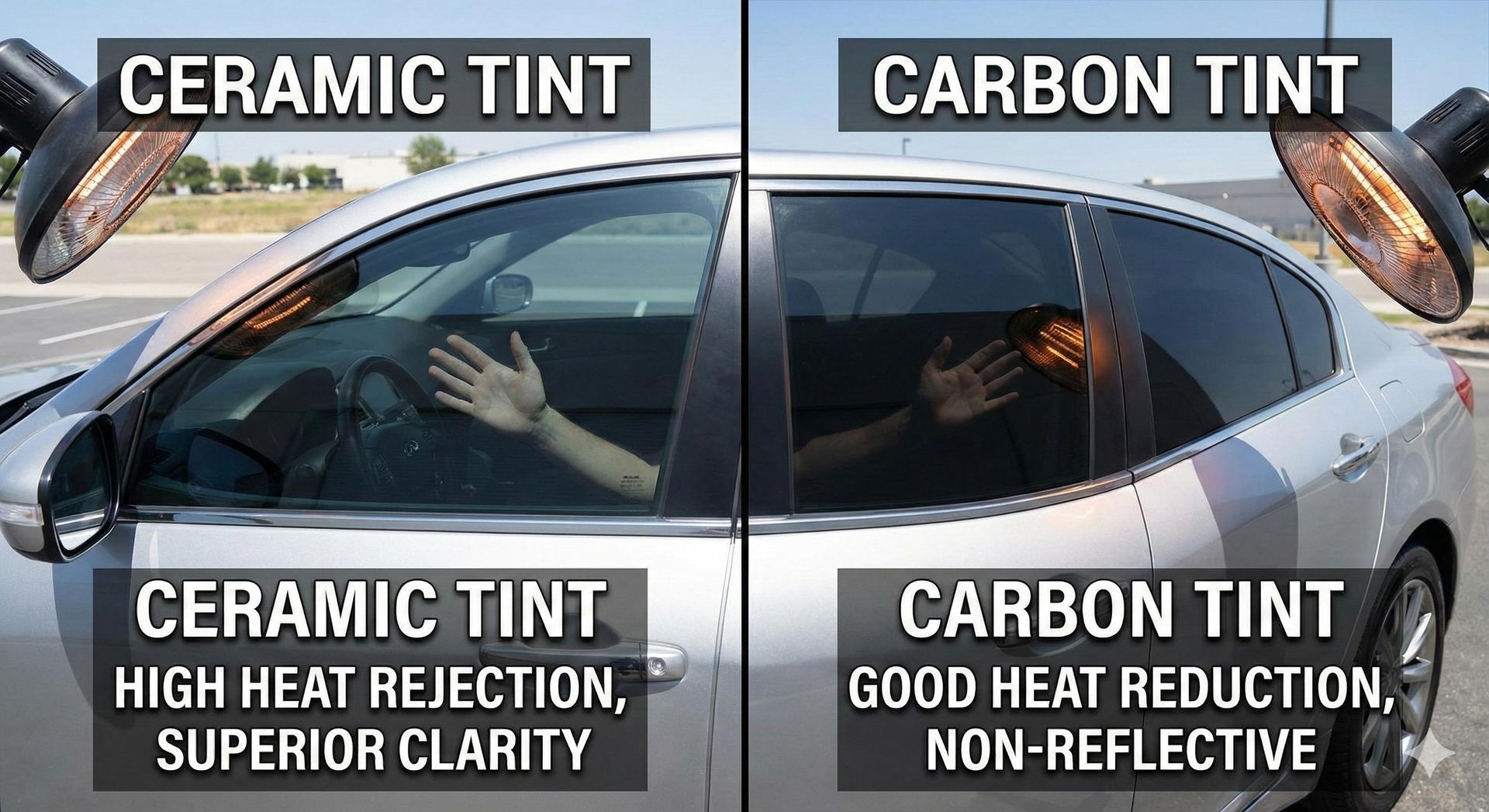
Both high quality ceramic films and high quality graphene films can deliver meaningful heat reduction. Ceramic has a long track record in the automotive tint space for strong infrared management and high clarity. Graphene can also be engineered for strong heat control, but performance varies widely by brand.
Clarity and night visibility
For drivers who prioritize a crisp, distortion free view, premium ceramic films are often a benchmark. In 2026, many premium films in both categories aim for excellent clarity, but your best protection is choosing a reputable film line and a shop that installs cleanly.
Cost and value
Graphene films are frequently priced at or near top tier ceramic options. Value should be judged by verified performance metrics, warranty terms, and how the film matches your usage. If you mainly drive short distances around Rome, GA, a premium ceramic option may deliver the comfort you want with a clearer cost to benefit payoff.
Brand reliability and warranty support
Not all “graphene” films are created equal, and some are newer to the market. With
premium tint, consistent manufacturing and strong warranty support matter as much as the label on the box. A trusted installer using established premium products helps reduce risk.
When graphene tint is worth it (and when it is not)
Graphene may be worth it if
- You want premium heat control without an ultra dark look.
- You drive often during peak sun hours and feel heat on arms and face.
- You keep vehicles long term and care about appearance stability.
- You are choosing between top tier options and want every edge in comfort.
Graphene may not be necessary if
- Your main goal is privacy rather than heat control.
- You drive mostly at night or in shaded routes and garages.
- Your budget is tight and a strong mid tier ceramic option fits better.
- You can get most of your comfort improvement by tinting the right glass areas with a proven premium film.
The most overlooked factor: which windows you tint
In Georgia heat, the windshield is often the biggest comfort lever because it is the largest piece of glass and catches intense sun. A high quality, clear film on the windshield can dramatically reduce heat and UV exposure while keeping visibility strong. Side glass and rear glass matter too, but a smart package is about coverage, not just darkness.
Installation quality: the performance multiplier
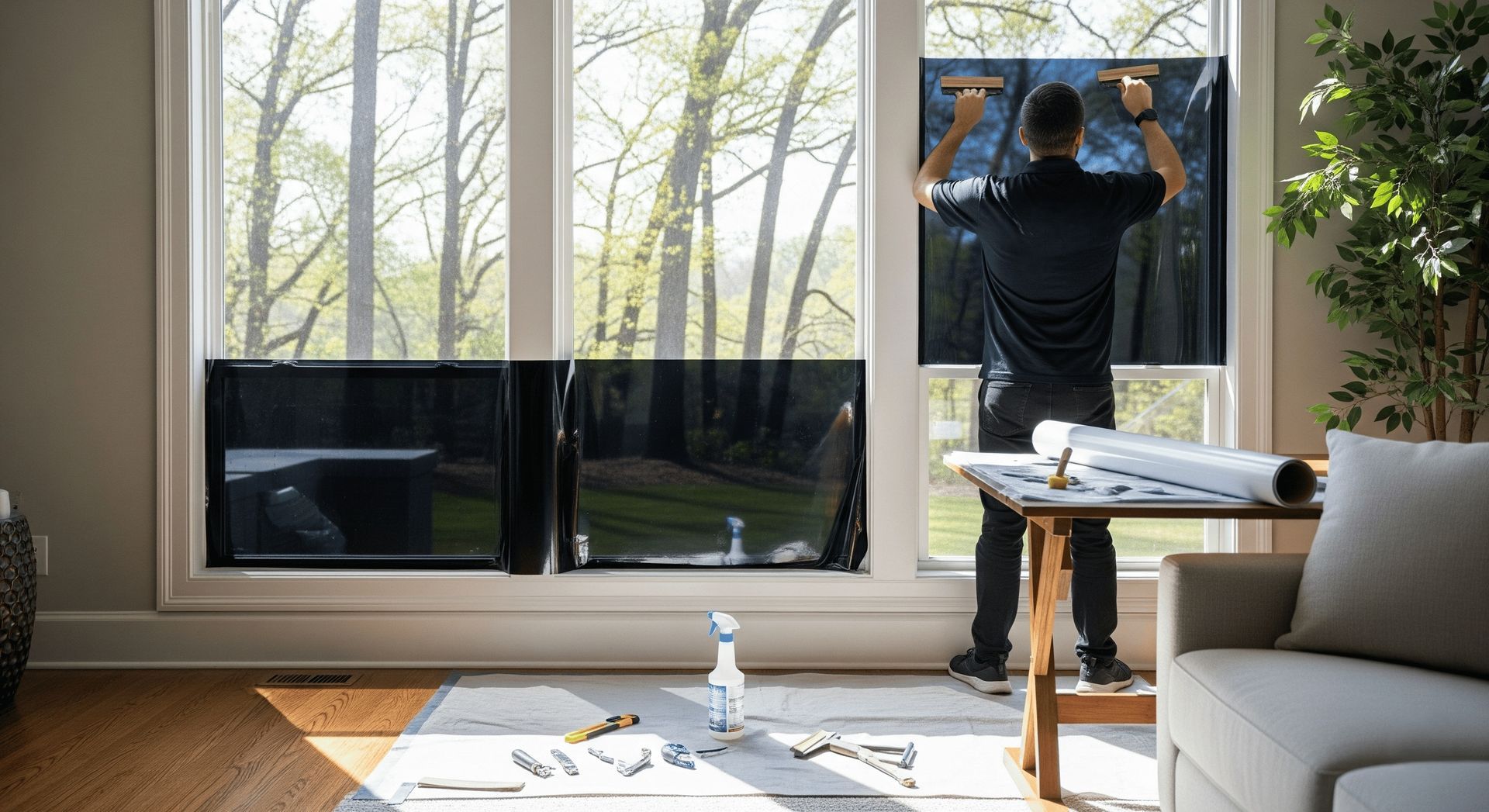
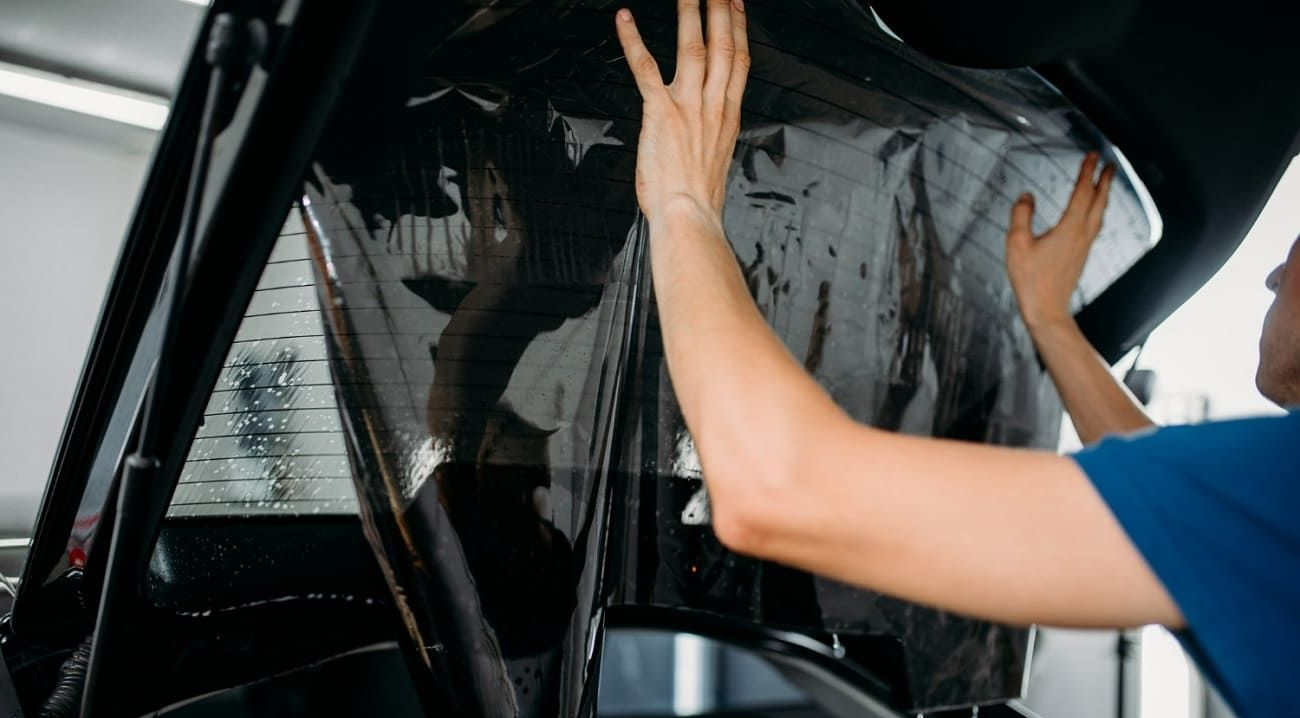
Even the best film can underperform if the installation is rushed. A
professional install affects:
- Edge cleanliness and long term lift resistance
- Dust control and optical clarity
- Proper shrinking and fitting on curved glass
- Sealing around defroster lines and complex rear windows
Why this matters in Rome, GA
Heat cycles are intense. Your car can go from a cool morning to a hot afternoon quickly. That daily expansion and contraction can stress adhesives and edges. A clean, precise install helps the film stay stable and look great for the long run.
Where premium LLumar films fit into the decision
Trim Ideasuses
LLumar auto window tinting products, and that matters because LLumar is widely recognized in the premium film category. When shoppers ask about graphene, what they usually want is premium performance: strong heat rejection, UV protection, comfort, and a clean finish.
It is important to be accurate here: graphene is a film technology label that can vary by manufacturer, and it should not be assumed that every premium brand offers a graphene labeled line. The smarter approach is to compare what you care about most, then choose a premium film that can prove it through real performance characteristics, durability, and warranty support.
How to think about it as a buyer
- If “maximum comfort” is the goal: prioritize a premium, high heat rejecting film package rather than chasing a single word like graphene.
- If “clean optics” is the goal: prioritize premium film clarity and professional installation.
- If “long term value” is the goal: prioritize reputable manufacturing and warranty backed products.
Practical recommendations for Rome, GA drivers
For daily commuters and family vehicles
Prioritize comfort and skin safe UV protection. A premium film on the windshield (where legal and appropriate), front side windows, and rear glass typically offers the biggest quality of life improvement for Georgia summers.
For trucks and SUVs with lots of glass
Larger cabins heat soak more. Consider a premium heat rejecting film on all glass and pay attention to the rear and cargo area windows that can turn into heat collectors during afternoon sun.
For newer vehicles with cameras and sensors
Choose a high quality non metallic film and a shop that understands modern glass and sensor considerations. The goal is comfort without unexpected tech side effects.
For drivers comparing “best of the best” in 2026
Graphene can be worth it if the film’s verified performance matches the price. But many drivers in Rome, GA will find that a premium ceramic based solution from a trusted brand delivers the comfort and clarity they want with a very strong value story. The winning move is matching the film to your goals and your driving reality.
Conclusion
So, is graphene window tint worth it for Georgia heat in 2026? For some drivers, yes. If you want premium heat control in lighter shades and you are comparing top tier options, graphene can be a strong contender when the film is backed by real performance and a reputable warranty. For many
Rome, GA drivers, though, the best answer is broader: choose a premium film with proven heat rejection, UV protection, and clean optics installed by a shop that takes craftsmanship seriously.
If you want help choosing the right premium option for your vehicle and your driving habits,
contact
Trim Ideas in
Rome, GA for a
free estimate . Get a recommendation that fits your car, your comfort goals, and Georgia heat, then enjoy a cooler, clearer drive all year.