Does Commercial Window Tint Lower Energy Bills in Offices? A Rome, GA Business Guide
Yes. Commercial window tint can lower energy bills in offices by reducing the solar heat that enters through glass, which cuts the load on your air conditioning. Window film manufacturers such as LLumar commonly cite savings of about 5 to 15 percent on a building's total energy costs, with payback often in three years or less. Your actual savings depend on how much glass you have, which direction it faces, your HVAC system, and the film you choose. For most sunny, glass-heavy offices in Georgia, professional window film is one of the fastest-paying energy upgrades available.
If you own or manage an office in Rome, Summerville, Cave Spring, or anywhere in Floyd County, you've likely seen the same problems across your building:
- Conference rooms that turn stuffy by early afternoon
- Glare on computer screens that forces employees to close blinds all day
- A thermostat war between the sunny side of the building and the shaded side
- Electric bills that climb every summer
All of these trace back to the same cause: untreated windows letting in too much solar heat.
This guide explains how
commercial window film reduces energy costs, how much you can realistically save, what drives payback, and how to choose the right film for your building. Trim Ideas is an Authorized
LLumar Film Dealer in Rome, and we'll give you straightforward answers so you can make a smart business decision.
Why Windows Drive Up Office Energy Costs
In most offices, windows are the weakest part of the building's thermal envelope. Sunlight passes through ordinary glass, heats desks, floors, and walls, and that heat builds up inside. Your HVAC system then has to work harder, and longer, to remove it.
Several factors make this worse in Northwest Georgia offices:
- Long, hot summers: cooling season in Floyd County runs from late spring well into fall, so solar heat gain is a problem for months at a time.
- South- and west-facing glass: these exposures take the most intense sun, especially in the afternoon when electricity demand peaks.
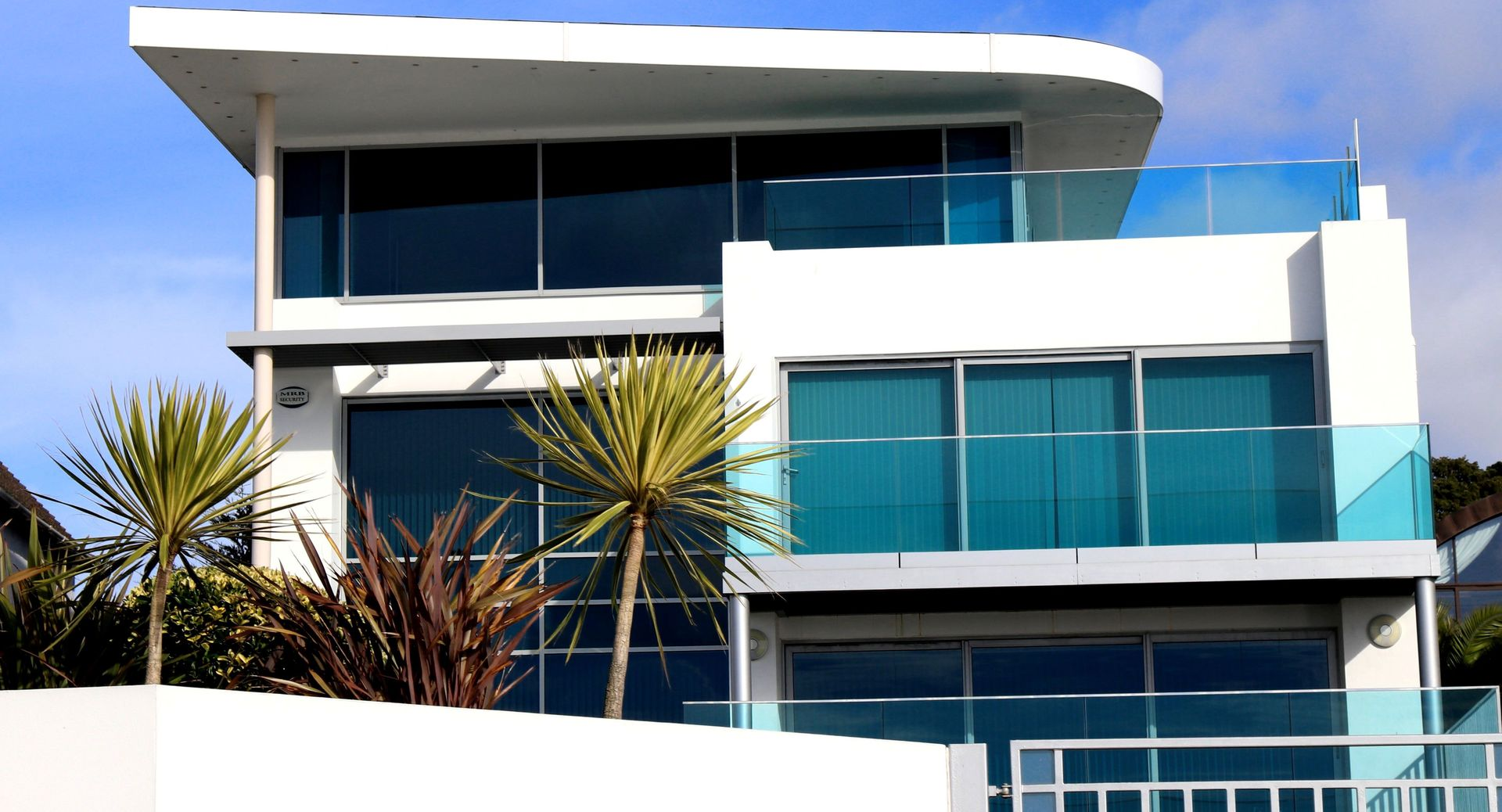
- Storefronts and large glass walls: modern offices, medical buildings, and retail spaces often have large expanses of glass with little shading.
- Older single-pane glass: many downtown and older commercial buildings still have single-pane windows with little solar control.
- Uneven comfort: hot spots near windows lead employees to lower the thermostat for the entire building, which drives up costs for everyone.
The result is higher cooling bills, more HVAC wear, and less comfortable employees and customers.
How Does Commercial Window Film Lower Energy Bills?
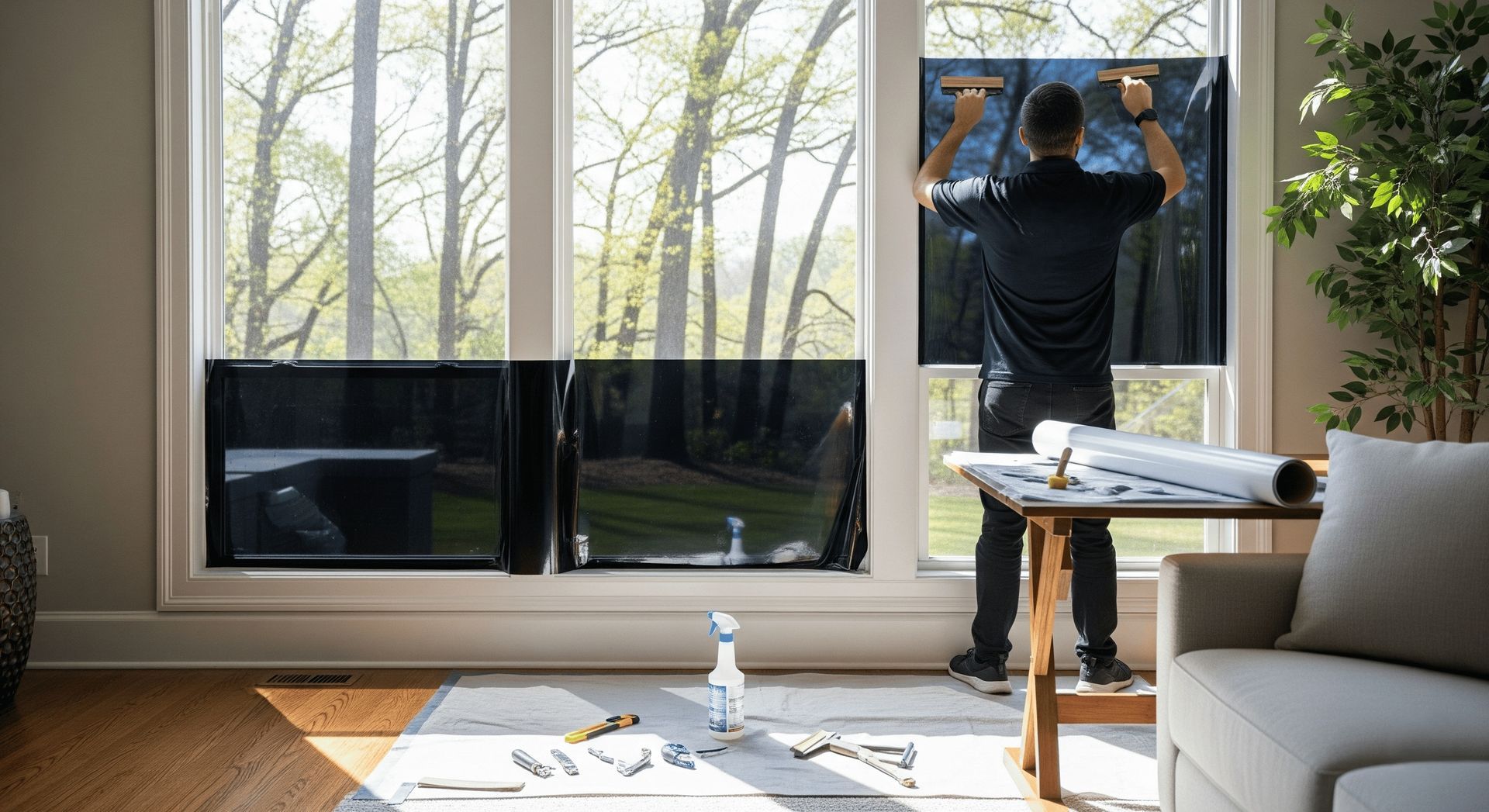
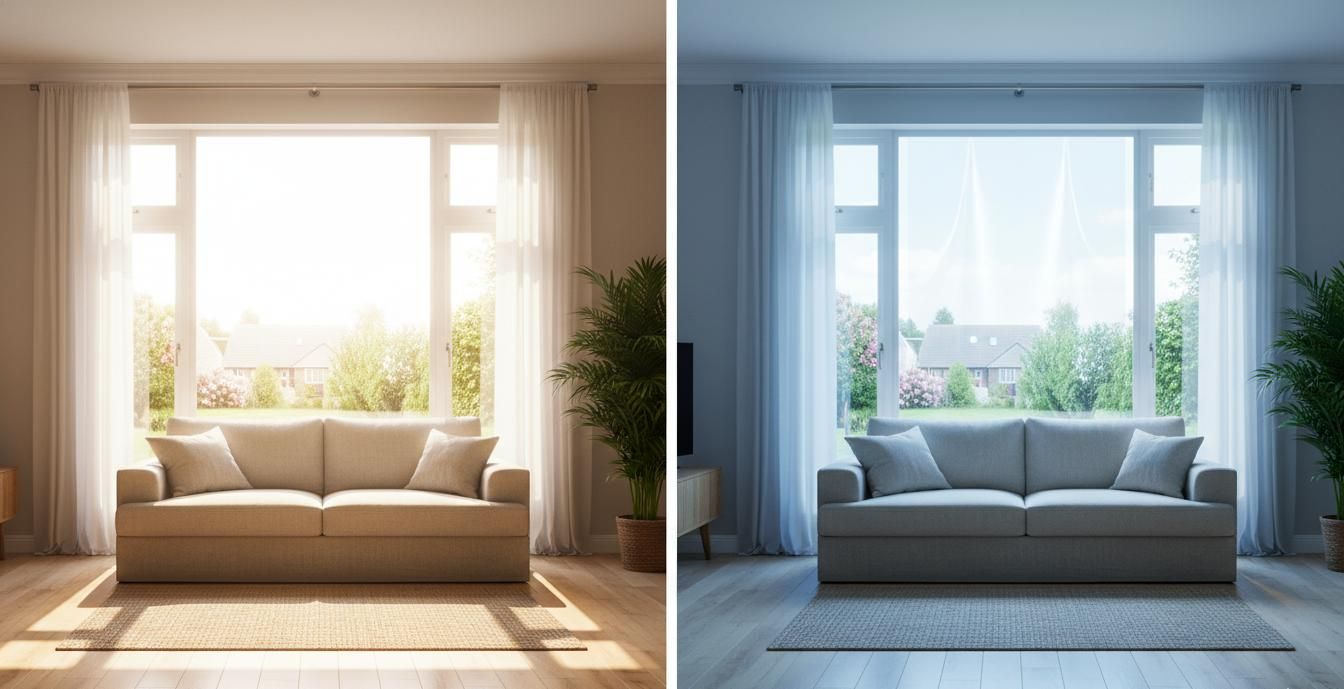
Commercial solar control film lowers energy bills by rejecting a large portion of the sun's heat before it enters the building. The film is a thin, engineered layer applied to the inside of existing glass. Depending on the product, it reflects or absorbs solar energy, especially infrared heat, while still letting natural light through.
That creates several energy benefits:
- Lower cooling loads: less solar heat entering means your AC runs less often and for shorter periods.
- Reduced peak demand: cutting afternoon heat gain can lower the demand spikes that raise many commercial electric bills.
- More balanced temperatures: reducing hot spots near windows lets you set the thermostat for the whole building instead of for the sunniest office.
- Less HVAC strain: a lighter cooling load can extend equipment life and reduce maintenance.
- Winter benefits with some films: low-E window films also help reduce heat loss through glass in colder months.
Film also blocks up to 99 percent of UV rays, which protects furniture, flooring, and merchandise from fading.
How Much Can Office Window Film Save?
Savings vary by building, but the general pattern is consistent: the more sun-exposed glass you have, the more film can help.
| Building Situation | Typical Energy Impact | Why |
|---|---|---|
| Large south- or west-facing glass walls | Highest potential savings | Most direct solar heat gain |
| Older single-pane glass | High potential savings | Little existing solar control |
| Storefronts and lobbies with heavy sun | Moderate to high | Large glass areas and customer comfort issues |
| Offices with mostly north-facing glass | Lower savings | Less direct sun exposure |
| Newer high-performance low-E glass | Lower savings | Glass already rejects some heat |
Window film manufacturers commonly report energy savings of about 5 to 15 percent of a building's total energy costs, with payback periods often around three years or less. Some buildings do better and some do less. A professional evaluation of your glass, exposure, and energy use gives you a much more accurate estimate than any general rule.
What Affects Payback on Commercial Window Film?
Payback is how long it takes for energy savings to cover the cost of the film. Several factors speed it up or slow it down.
Glass Orientation and Sun Exposure
Windows facing south and west usually deliver the biggest savings. Treating only the highest-exposure glass can shorten payback significantly.
Current Glass Type
Single-pane clear glass leaves the most room for improvement. Buildings with modern high-performance glass may still benefit, but the savings are smaller.
Energy Rates and Usage
Buildings with high cooling bills, long operating hours, or demand charges typically recover their investment faster.
Film Performance
Films with higher total solar energy rejection (TSER) cut more heat. Premium spectrally selective films reject strong heat while keeping the view natural.
HVAC Condition
If your HVAC system is undersized or aging, reducing the cooling load with film can also delay costly equipment upgrades.
Choosing the Right Film for Your Office
Different commercial films balance heat rejection, light, and appearance differently. Here's how the main options compare.
| Film Type | Heat Rejection | Natural Light | Appearance | Best For |
|---|---|---|---|---|
| Reflective / metallized solar film | Very high | Lower | Mirrored exterior, daytime privacy | West-facing glass, maximum savings |
| Dual-reflective film | High | Moderate | Reflective outside, low interior reflection | Offices wanting heat control and night visibility |
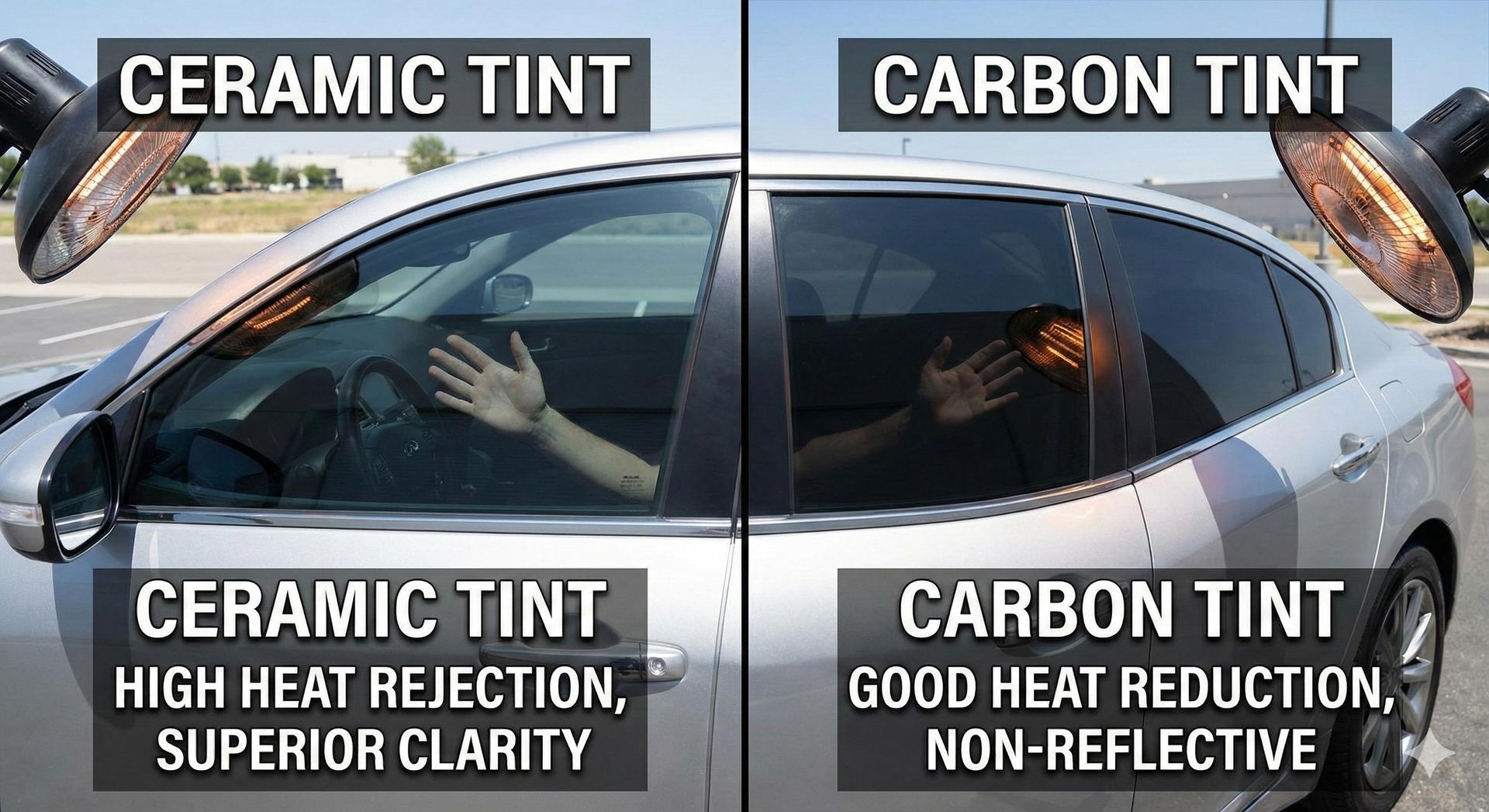
| Spectrally selective / ceramic film | High | High | Nearly clear, natural view | Professional offices, medical, historic buildings |
| Low-E window film | Moderate to high | High | Neutral | Year-round savings, heating and cooling |
| Solar safety and security film | Moderate to high | Varies | Light tint | Storefronts needing both energy and security benefits |
Many offices use more than one film. For example, a stronger reflective film on sun-baked west glass and a clearer spectrally selective film on the front entrance where appearance matters most.
Commercial Window Film vs. Other Energy Upgrades
How does window film compare with other ways to reduce solar heat gain in an office?
| Option | Upfront Cost | Disruption | Energy Impact | Keeps the View |
|---|---|---|---|---|
| Commercial window film | Low to moderate | Minimal | Moderate to high | Yes |
| Replacement high-performance windows | Very high | Significant | High | Yes |
| Interior blinds and shades | Low to moderate | Minimal | Low (heat already inside) | Only when open |
| Exterior shading or awnings | Moderate to high | Moderate | Moderate to high | Partially |
| HVAC upgrade | High | Moderate | Treats the symptom, not the cause | Yes |
Commercial window film costs a fraction of replacement windows, and installation causes little disruption to your business. For most offices with glass in good condition, film offers the best return on investment of any window-related energy upgrade.
How Much Does Commercial Window Tint Cost in Rome, GA?
Commercial window film is priced by the square foot of glass, and larger projects usually earn a lower per-square-foot rate.
| Project Type | Typical Installed Cost* |
|---|---|
| Standard solar control film | $5–$10 per sq ft |
| Spectrally selective / ceramic film | $8–$14 per sq ft |
| Low-E film | $8–$14 per sq ft |
| Solar safety and security film | $10–$20+ per sq ft |
| Small office or storefront (200–400 sq ft) | $1,200–$4,500 |
| Multi-story office building | Custom quote based on glass area |
General North Georgia market estimates. Final pricing depends on film selection, glass type, access (ladders or lifts), and project size.
Benefits Beyond Energy Savings
Energy savings are often what start the conversation, but most businesses find the other benefits just as valuable:
- Employee comfort and productivity: fewer hot spots and less glare make workspaces more usable all day.
- Glare control: people can see their screens without closing the blinds and losing natural light.
- UV protection: blocking up to 99 percent of UV rays helps prevent fading of furniture, flooring, and displayed merchandise.
- Privacy: reflective and decorative films add daytime privacy for offices, conference rooms, and ground-floor spaces.
- Safety and security: safety films help hold broken glass together, reducing injury risk and slowing smash-and-grab break-ins.
- Uniform appearance: film gives a building's glass a consistent, professional look from the street.
Why Rome Businesses Choose Trim Ideas for Commercial Window Film
Trim Ideas is an Authorized LLumar Film Dealer. LLumar is one of the most trusted names in window film, and its commercial films come with manufacturer warranties on qualifying products. We offer solar control, decorative and privacy, and safety and security films, so we can recommend the right solution for every part of your building.
Local businesses trust us because we're honest and reasonable, and because we recommend what your building actually needs. We've tinted commercial buildings and business windows across Rome, and we work efficiently to minimize disruption to your staff and customers. Because we also offer vinyl signs and graphics, we can help with your storefront's energy performance, privacy, and branding in one place.
Frequently Asked Questions About Commercial Window Tint and Energy Bills
Does commercial window tint really lower energy bills?
Yes. Solar control film reduces solar heat gain through glass, which lowers the cooling load on your HVAC system. Savings are usually largest in offices with lots of south- or west-facing glass.
How much can an office save with window film?
Window film manufacturers commonly cite savings of about 5 to 15 percent of a building's total energy costs. Your results will depend on your glass, exposure, energy rates, and film choice.
How long does it take for commercial window film to pay for itself?
Many commercial projects pay for themselves in about three years or less, according to manufacturer estimates. Buildings with high cooling costs and lots of sun-exposed glass tend to see faster payback.
Will window film make my office too dark?
Not necessarily. Spectrally selective and low-E films reject heat while keeping plenty of natural light, so your office stays bright without the glare.
Will installation disrupt my business?
Installation is usually quick and low-disruption. Many projects can be scheduled around business hours, and film is applied from inside without removing windows.
Are there tax incentives for commercial window film?
Don't count on federal incentives. The federal commercial buildings energy deduction (Section 179D) is being phased out, and window film on its own rarely qualifies. Ask your tax professional and your utility about any current programs.
How long does commercial window film last?
Quality commercial films commonly last 10 to 20 years or more, depending on the film and exposure, and many are backed by manufacturer warranties.
Cut Your Office Energy Costs With Commercial Window Film
Commercial window tint is a proven, cost-effective way to lower energy bills in offices. It reduces solar heat gain, balances temperatures, cuts glare, and protects your interior from UV damage, usually for a fraction of the cost of new windows and with minimal disruption. The biggest savings come from treating sun-exposed glass with the right film for your building.
If your business is in Rome, Summerville, Cave Spring, Lindale, Shannon, Kingston, Silver Creek, or elsewhere in Floyd County, Trim Ideas is ready to help. You can:
- Request a free commercial estimate online
- Call (706) 290-3401
- Visit our shop at 218 W 10th St, Rome, GA 30165, Monday through Friday from 9 AM to 5 PM