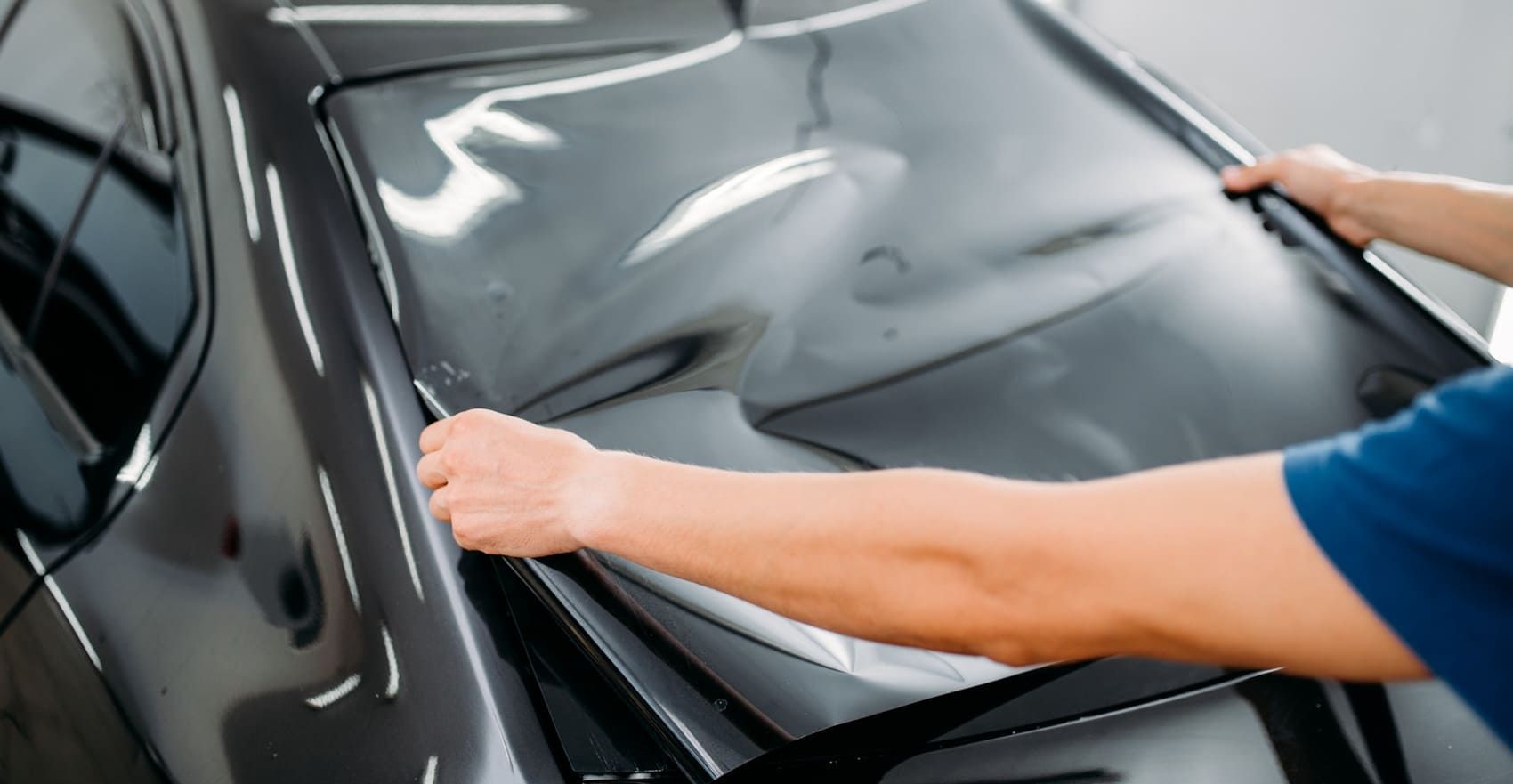
How Long Does Residential Window Tint Last in Hot Climates? A Rome, GA Homeowner's Guide
Georgia summers put windows through a lot: long stretches of intense UV exposure, high heat, and humidity that lingers for months at a time. If you're considering residential window film for your Rome-area home, one of the first questions worth asking isn't just "how well does it work," but "how long will it actually hold up here?"
The short answer: professionally installed, high-quality residential window film is built to perform for many years, even in a hot, sun-heavy climate like North Georgia's — but how long it lasts depends heavily on film quality, installation, window orientation, and how much direct heat and UV exposure it faces day to day. Below, we'll break down what actually determines film lifespan, what causes premature failure, and what Floyd County homeowners can realistically expect from their investment.
What Actually Determines How Long Window Film Lasts?
Not all window film ages the same way, and "how long does it last" isn't a single fixed number — it's the result of several overlapping factors that either extend or shorten a film's usable life.
1. Film Quality and Technology
Lower-cost dyed films rely on color pigment to reduce glare and heat, and that pigment breaks down under constant UV exposure — which is why cheaper films are more prone to fading, bubbling, or turning purple over time. Premium films, including solar control and ceramic-style technologies, are engineered with more UV-stable materials and adhesives specifically designed to resist long-term heat and sun degradation.
2. Professional vs. DIY Installation
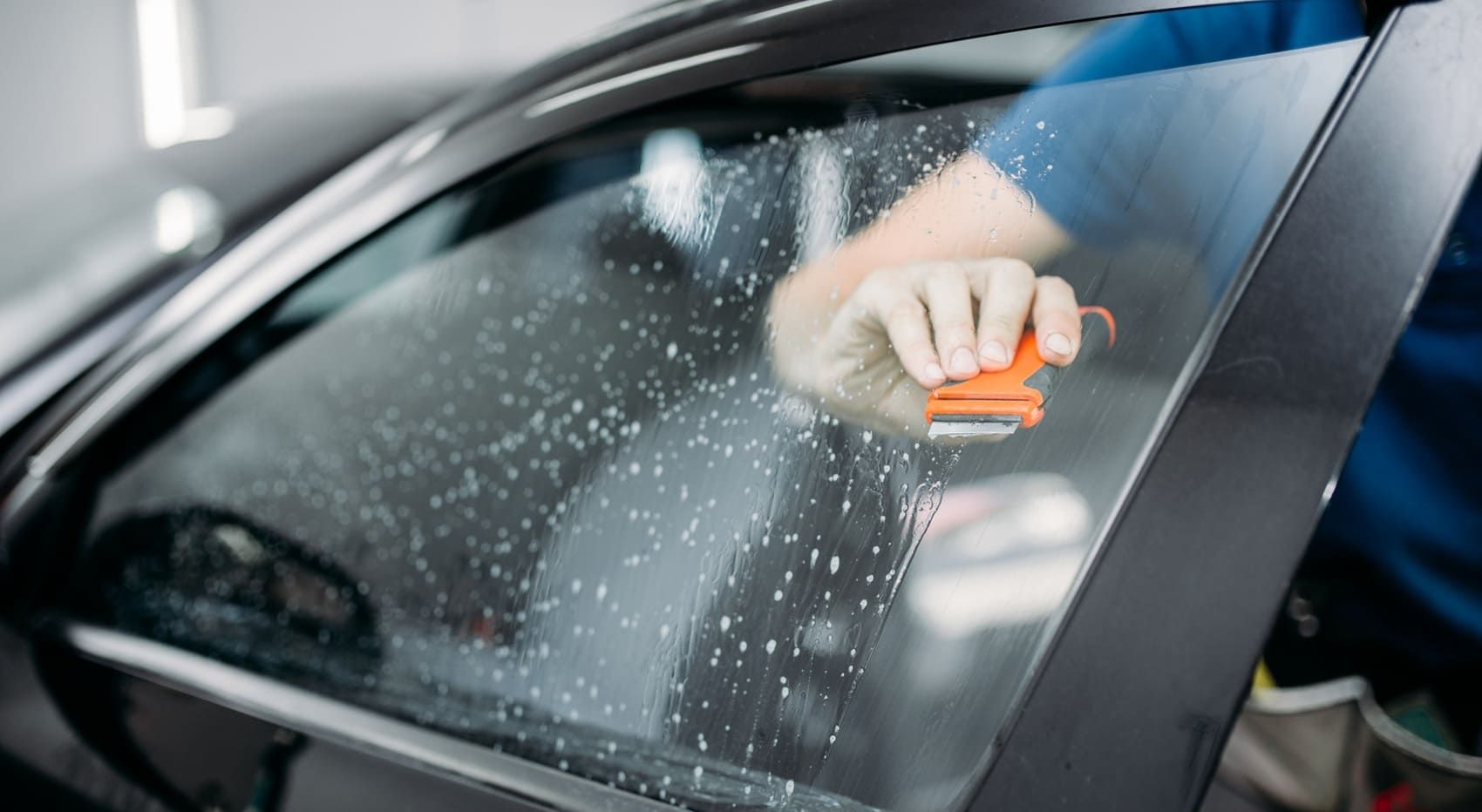
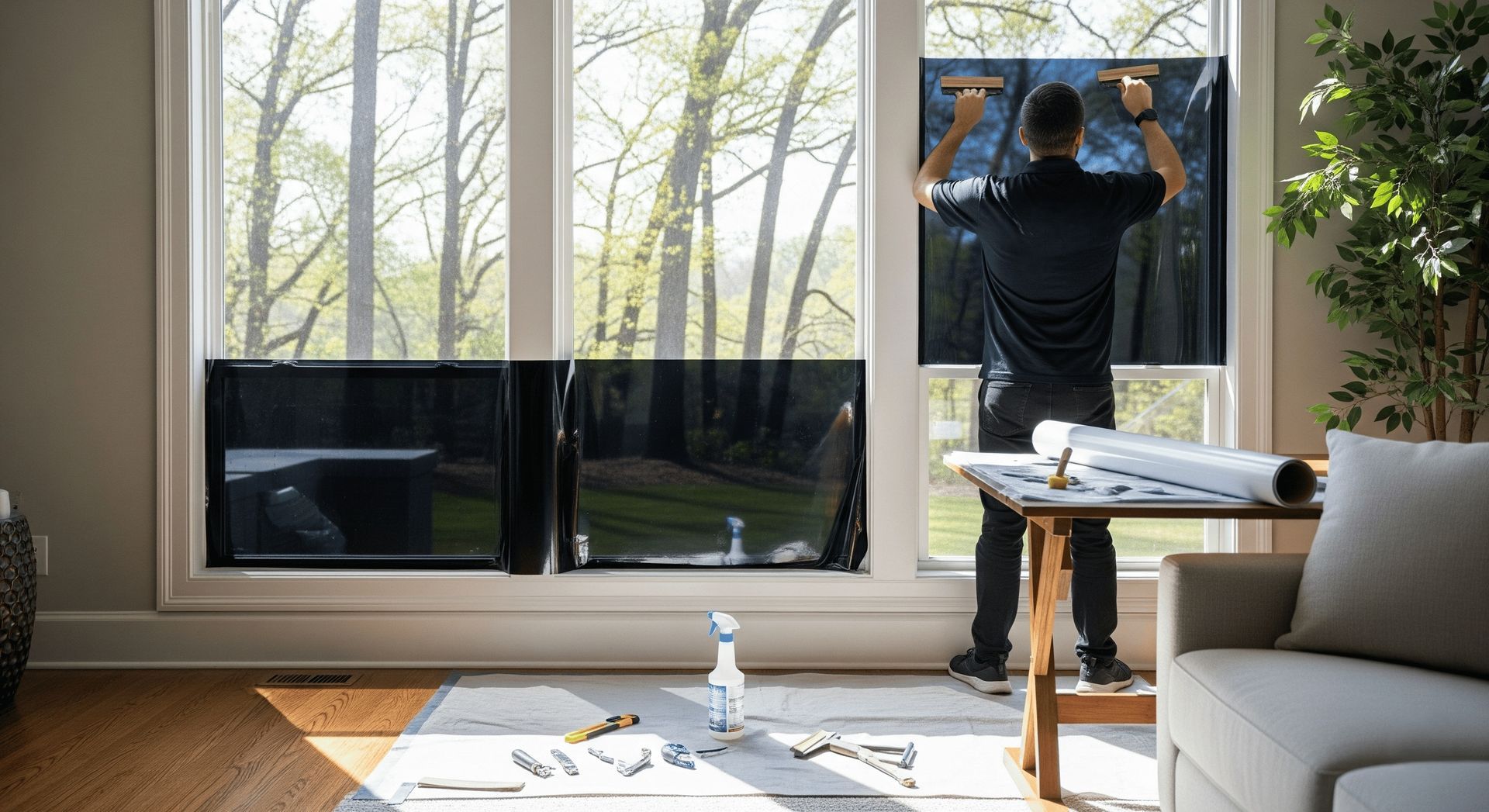
Improper application is one of the most common reasons window film fails early. Trapped air, dust under the film, or poor edge sealing can all lead to bubbling, peeling, or lifting well before the film's expected lifespan — problems that are far less common with professional installation.
3. Window Orientation and Sun Exposure
South- and west-facing windows in Georgia take on significantly more direct sun than north-facing windows, which means film on those windows works harder and may show wear sooner than film on less-exposed glass.
4. Heat Intensity and Climate
Because roughly a third of a home's heating and cooling costs can escape through untreated windows, glass in hot climates is under near-constant thermal stress. High-quality film is designed to manage this stress, but consistently high heat is still one of the toughest long-term tests any film faces.
Signs Your Window Film Is Nearing the End of Its Life
Even well-installed film eventually shows signs of age, especially in a climate as sun-intensive as Rome's. Knowing what to look for helps you catch problems before they affect your view or your home's protection.
- Bubbling or air pockets — often a sign the adhesive is breaking down.
- Peeling at the edges or corners — usually starts small and spreads if untreated.
- Color shifting or fading — most common in older dyed films, less common in premium UV-stable films.
- Hazy or cloudy appearance — can indicate adhesive failure or moisture getting trapped between the film and glass.
- Reduced heat or glare performance — you may simply notice the room feels hotter or brighter than it used to.
If you're seeing any of these signs, it doesn't necessarily mean the whole job needs to be redone — but it's worth having a professional take a look, especially if the film is still under warranty.
How Film Type Affects Longevity in Hot Climates
Because Georgia heat is a major stress factor on window film, the type of film you choose plays a big role in how long it holds up.
| Film Type | Typical Longevity in Hot Climates | Common Failure Point | Best Suited For |
|---|---|---|---|
| Standard dyed film | Shorter lifespan; more prone to early fading | Color breakdown, purple tint over time | Budget-conscious, short-term needs |
| Reflective/metalized film | Moderate-long lifespan | Can show wear on adhesive over many years | Strong heat control, less concern about mirrored look |
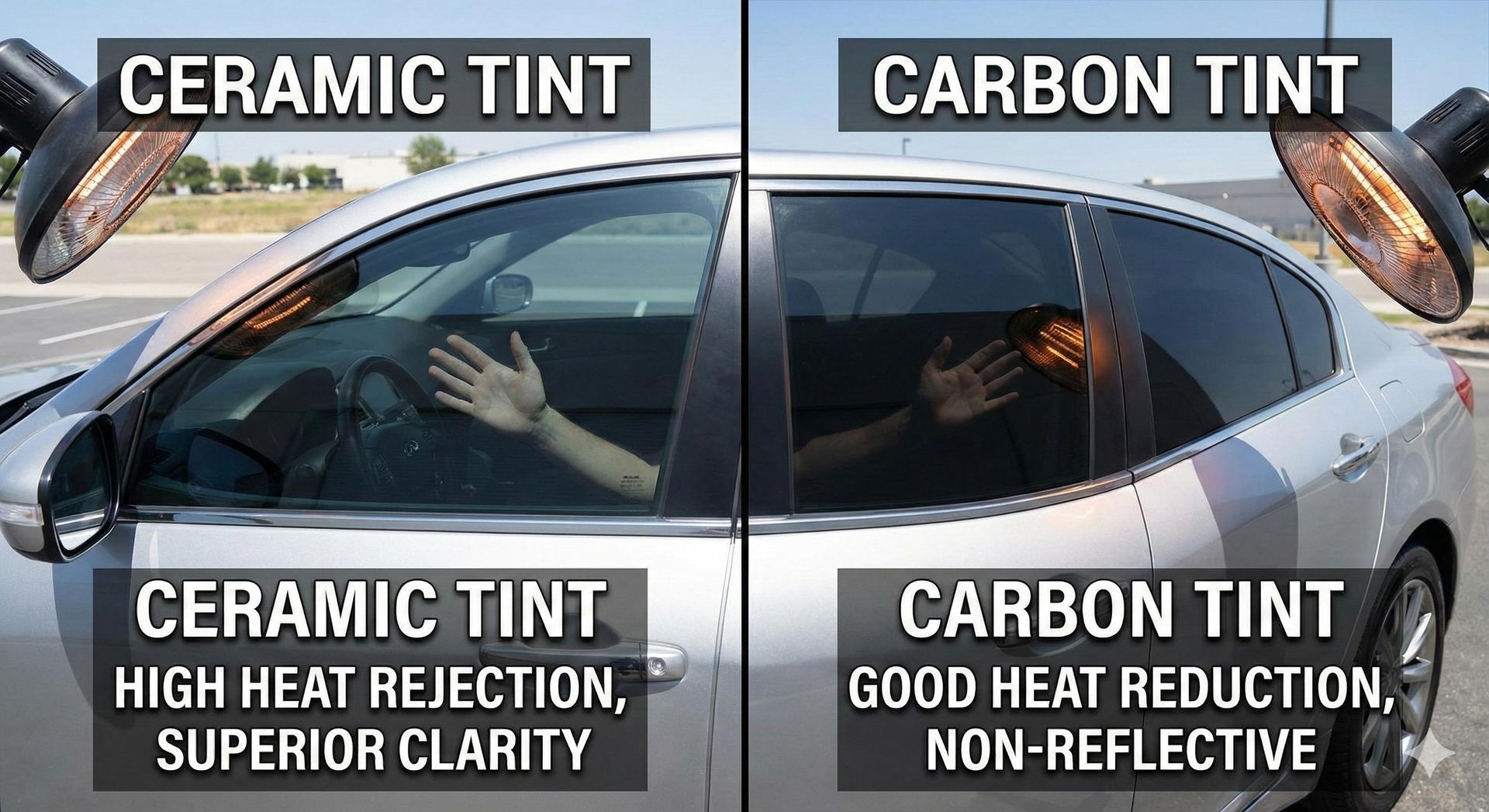
| Solar control / ceramic-style film | Long lifespan; built for UV and heat-stable performance | Rare when professionally installed | Long-term protection in high-sun climates like North Georgia |
The takeaway for hot climates specifically: films built with UV-stable, non-dye-dependent technology are far better suited to withstand years of Georgia sun without the color-shifting or premature bubbling that lower-grade films can experience.

What Homeowners Can Do to Maximize Film Lifespan
While film quality and installation are the biggest factors, a few simple habits can help residential window film perform well for as long as possible in a hot climate.
- Clean windows the right way. Use a soft cloth and non-abrasive cleaner — avoid ammonia-based glass cleaners, which can break down film adhesives over time.
- Avoid sharp objects near the film. Scraping, scratching, or using razor blades on tinted glass can damage the film surface and create weak points.
- Let it cure properly after installation. Freshly applied film needs several days to fully bond to the glass; avoid cleaning or disturbing it during that window.
- Address issues early. If you notice a small bubble or lifted edge, having it inspected sooner rather than later can prevent a larger area from failing.
- Choose film matched to your exposure. Windows that face intense afternoon sun may benefit from a higher-performance film tier than less-exposed windows in the same home.
Is Long-Lasting Film Worth the Investment in Georgia's Climate?
Because Rome and the surrounding Floyd County area see extended periods of strong sun and heat, the performance gap between budget film and premium film tends to show up faster here than in milder climates. A film that fades or bubbles within a few years not only loses its protective value but also means paying for reinstallation sooner than expected.
Higher-quality residential film, by contrast, is designed to maintain its UV rejection, heat control, and glare reduction for the long term — which means the energy savings, furniture protection, and comfort benefits keep compounding year after year rather than tapering off early. For most homeowners, that makes premium film a better long-term value, even at a higher upfront cost, especially in a climate that puts real stress on lower-grade materials.
Frequently Asked Questions About Residential Window Tint Lifespan
How long does residential window film typically last in hot climates like Georgia?
High-quality, professionally installed residential film is designed to perform for many years, even under Georgia's strong sun and heat. Exact lifespan varies by film type, window orientation, and installation quality, but premium UV-stable films are built specifically to withstand long-term heat exposure.
Does hotter weather make window film wear out faster?
It can, especially for lower-grade dyed films, which rely on pigment that degrades under constant heat and UV exposure. Premium films use more heat- and UV-stable technology, which helps them hold up better in consistently hot conditions.
What's the biggest cause of window film failing early?
Improper installation is one of the most common causes of early failure — trapped air, dust, or poor sealing can lead to bubbling or peeling well before a film's expected lifespan. Choosing a professional installer significantly reduces this risk.
Do south- and west-facing windows need film replaced more often?
They can, since these windows typically receive the most direct sun exposure throughout the day. Homeowners with heavily sun-exposed windows may want to prioritize higher-performance film in those areas.
Can I tell if my window film needs to be replaced?
Yes — bubbling, peeling at the edges, color shifting, haziness, or a noticeable drop in heat and glare control are all signs that film may be nearing the end of its usable life.
Does a warranty cover window film that fails early in hot climates?
Many professionally installed residential films come with manufacturer-backed warranties that cover issues like premature bubbling or peeling under normal conditions — it's worth confirming warranty details with your installer before purchase.
Get Long-Lasting Window Film Installed in Rome, GA
If you want window film that's built to handle North Georgia's heat and sun without fading, bubbling, or peeling prematurely, professional-grade film and expert installation both matter. Trim Ideas, located at 218 W 10th St in Rome, GA, is an Authorized LLumar Film Dealer offering residential window tinting solutions designed for long-term performance in hot climates, serving homeowners throughout Rome and Floyd County. Contact Trim Ideas for a free residential window tinting estimate to find the right film for your home's sun exposure and long-term protection needs.