What Is the Best Tint for Commercial Buildings in 2026? A Guide for Rome & Floyd County Property Owners
The best tint for most commercial buildings in 2026 is a high-performance solar control film matched to the building's glass, sun exposure, and appearance goals. For many Northwest Georgia buildings, that means a low-E film for year-round savings, a neutral or ceramic film when you want strong performance without a mirrored look, or a reflective or dual-reflective film for maximum heat rejection on hard-hit glass. On ground-floor entrances, a solar safety and security film adds break-in protection on top of energy savings.
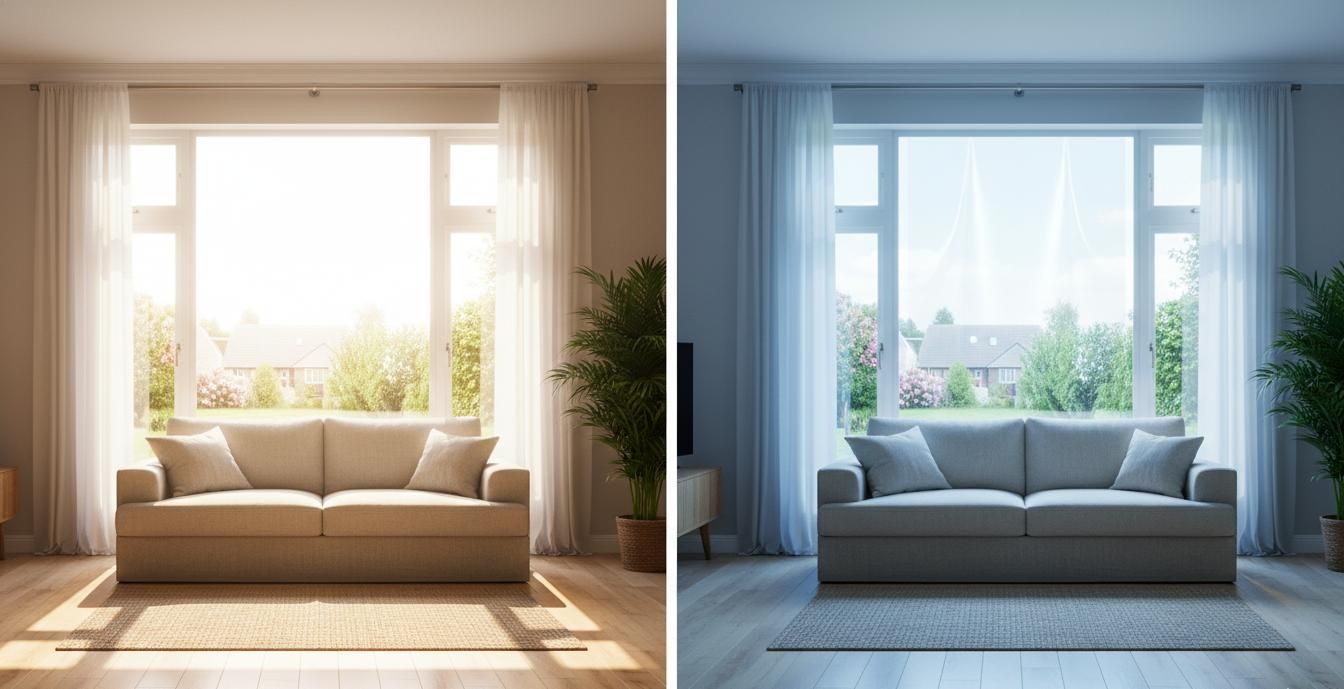
If you own or manage an office building, medical practice, church, school, warehouse office, or multi-tenant property in Rome or Floyd County, your windows have a lot to do with your operating costs. They drive your cooling load in summer, let heat escape in winter, create the hot and cold spots behind most tenant complaints, and fade everything near the glass.
This guide compares today's main commercial film types, explains when each one makes sense, and shows how film compares with replacing windows. It also covers what to check before you commit. Trim Ideas is an Authorized LLumar Film Dealer based in Rome, and we've helped local businesses and building owners choose and install the right commercial films for their properties.
The Short Answer: The Best Commercial Tint Depends on Four Factors
No single film is best for every building. The right choice comes from four questions:
- What problem are you solving? Heat, glare, energy cost, tenant comfort, fading, privacy, security, or a mix.
- How is the building exposed? South- and west-facing glass gains the most heat. Shaded or north-facing glass gains far less.
- What should the building look like afterward? Some owners want a mirrored, uniform exterior. Others want the glass to look unchanged.
- What type of glass do you have? Single-pane, dual-pane, tinted, or low-E glass each limit which films are compatible.
A professional assessment answers all four. The overview below shows where each film fits.
Why Windows Drive Commercial Building Costs
The U.S. Department of Energy estimates that about one-third of a building's cooling load comes from solar heat gain through windows, and that nearly 75% of existing windows are not energy efficient. In practice, that shows up as:
- High cooling bills in summer as HVAC systems fight solar heat
- Hot and cold spots that generate constant thermostat complaints
- Glare that makes screens hard to read and causes eye strain
- Fading of carpets, furniture, finishes, and inventory
- Blinds kept closed all day, which cancels out the natural light you paid for
Northwest Georgia adds its own challenge. Rome gets long, humid summers and real winters, so a building loses money through its glass in both seasons. That's why the "best" film here often looks different from the best film for South Florida or Arizona.
Commercial Window Film Types Compared
Here's how the main commercial solar control films stack up:
| Film Type | Heat Rejection | Exterior Appearance | Winter Benefit | Glare Control | Best For |
|---|---|---|---|---|---|
| Reflective | Very high | Mirrored (silver, bronze, gray, and other shades) | Low | Very high | Maximum heat control on large west- or south-facing glass |
| Dual-Reflective | Very high | Mirrored outside, subtler inside | Low | Very high | Strong solar control with clearer evening views out |
| Deluxe (Non-Reflective) | High | Flat, non-mirrored shading | Low | High | Uniform exterior look without a metallic shine |
| Neutral | Moderate to high | Minimal change | Low | Moderate | Keeping natural light and the original look of the building |
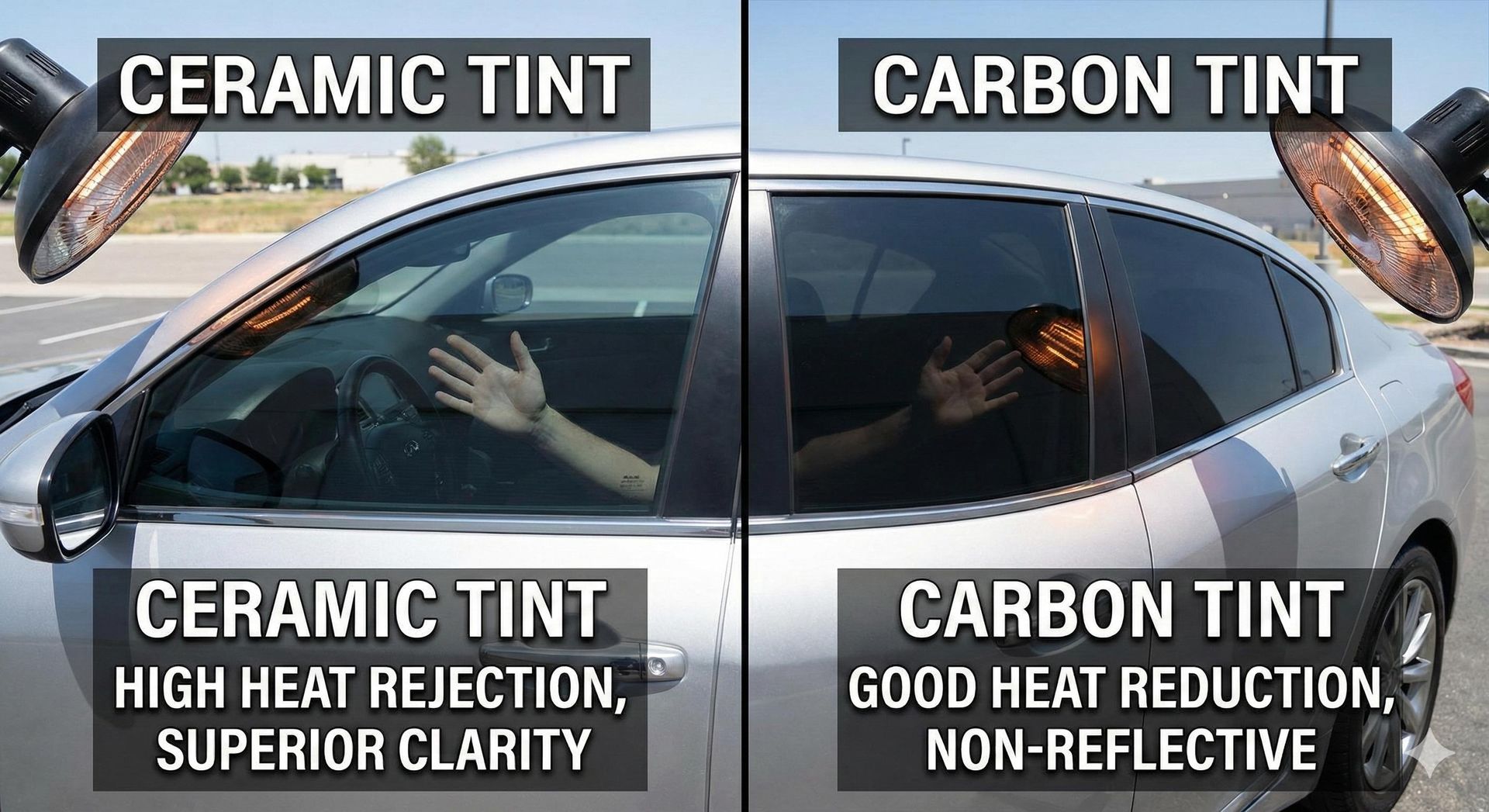
| Ceramic | High | Ultra-low reflectivity, neutral gray tones | Low | High | Discreet, metal-free performance |
| Low-E | High | Varies by product | High (insulating) | Moderate to high | Year-round savings in four-season climates like Northwest Georgia |
| Specialty | Moderate | Virtually invisible | Low | Moderate | Historic buildings, retail displays, dealerships |
| Exterior-Applied | High | Varies | Varies | High | Buildings without interior access to the glass |
| Solar Safety & Security | Moderate to high | Varies | Low | Moderate to high | Ground floors, entrances, and retail at risk of break-ins |
All of these quality LLumar commercial films block about 99% of harmful UV rays, so fading protection comes standard whichever you choose.
Our Top Picks for Commercial Buildings in 2026
Best Overall for Northwest Georgia: Low-E Window Film
Low-E films reject solar heat in summer and add insulating value in winter, which helps keep heat inside when temperatures drop. Rome sees all four seasons, so low-E film works year-round, while most solar films only pay off in the cooling months. Its savings come close to what full window replacement would deliver, at a much lower price.
Best for Maximum Heat Rejection: Reflective or Dual-Reflective Film
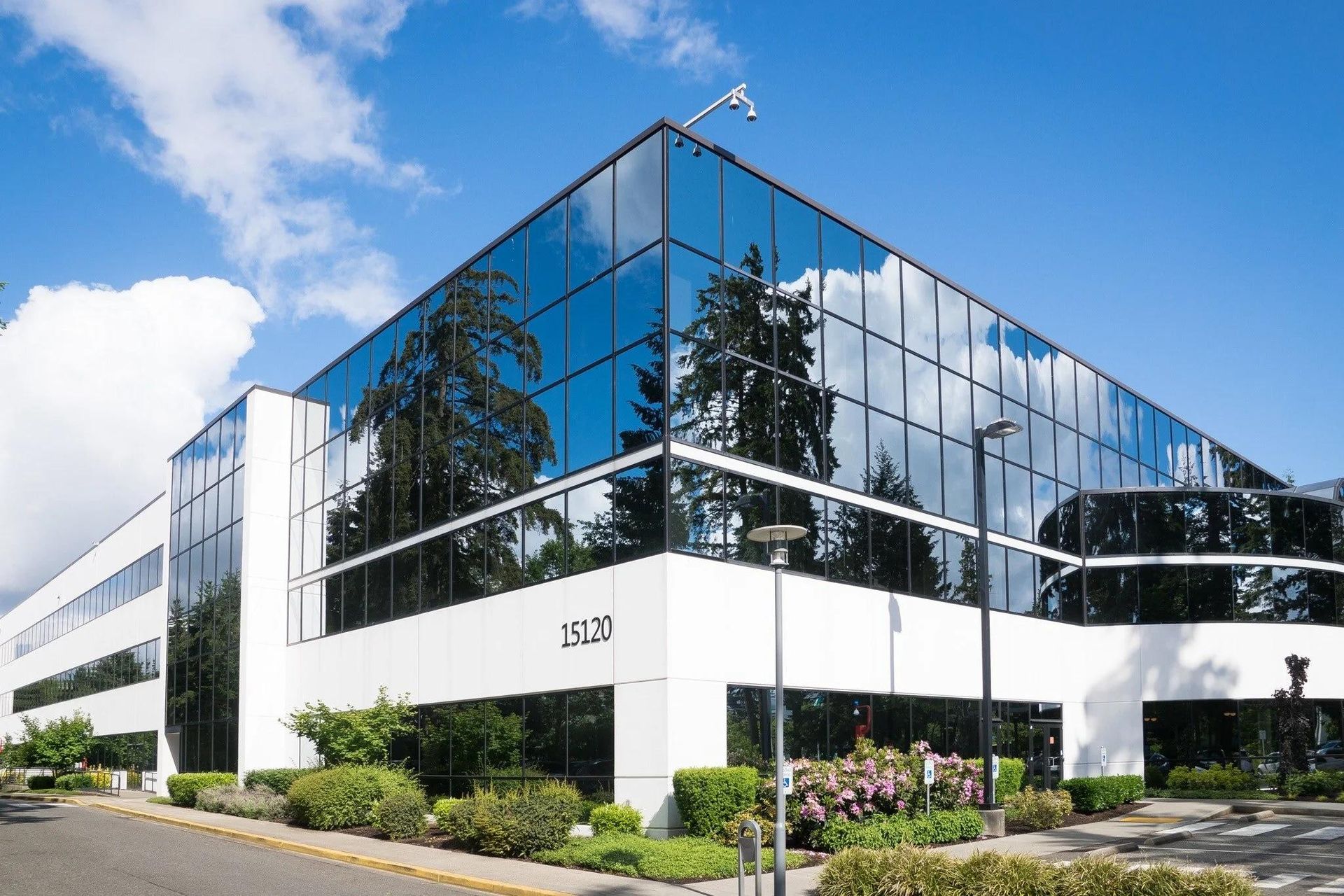
For buildings with large expanses of west- or south-facing glass, reflective films offer the strongest solar control. Dual-reflective versions keep the mirrored exterior while softening the interior side, so occupants still see out clearly after dark.
Best for Keeping the Building's Look: Ceramic or Neutral Film
If you like your building's exterior as it is and only want it to perform better, ceramic and neutral films improve comfort without a shiny or dark appearance. Ceramic film offers the lowest visible reflectivity of the group.
Best for a Uniform, Professional Exterior: Deluxe Film
Multi-tenant buildings often look cluttered from the street because every suite has different blinds. Non-reflective deluxe film gives the whole facade a clean, consistent look while cutting heat and glare.
Best for Historic Buildings: Specialty Film
For older downtown properties where appearance matters or local guidelines apply, virtually invisible specialty films add solar control without visibly changing the glass.
Best for Ground Floors and Entrances: Solar Safety & Security Film
These films combine solar control with heavy-duty polyester layers that help hold glass together during break-in attempts, severe weather, and accidents. They're especially valuable for retail and street-level glass prone to smash-and-grab crimes.
Window Film vs. Window Replacement
Many building owners weigh film against full replacement. Here's how they compare:
| Factor | Commercial Window Film | Window Replacement |
|---|---|---|
| Upfront cost | A fraction of replacement | Highest |
| Energy savings | As much as 15% annually in energy-audited buildings | Comparable, depending on the product |
| Typical payback | Often as short as three years | Much longer |
| Disruption to tenants | Minimal, often done in phases or after hours | Major construction |
| Installation time | Days | Weeks to months |
| UV protection | Blocks about 99% | Varies by glass |
| Fixes leaks, failed seals, or damaged frames | No | Yes |
The deciding factor is window condition. If your windows leak air or water, have failed seals, or have damaged frames, film isn't the answer. Those windows need repair or replacement. If the windows are structurally sound, film usually solves the heat, glare, and comfort problems for far less money and disruption.
How to Choose the Right Film for Your Building: 5 Steps
Start With Occupant Complaints
Hot and cold calls tell you a lot. Note which suites, floors, and sides of the building generate the most complaints, and at what times of day.
Map Sun Exposure
Identify which elevations get direct sun and when. West-facing glass usually needs the most aggressive solar control, while north-facing glass may need little or none.
Decide on Appearance
Choose whether you want a mirrored, uniform exterior, a neutral look, or no visible change at all. If the building is in a historic district or has HOA or owner restrictions, check those requirements now.
Confirm Glass Compatibility
Different glass types absorb heat differently. Some films can add thermal stress to certain dual-pane, tinted, or large annealed panes. A qualified installer should evaluate the glass and recommend only compatible films.
Get a Professional Assessment and Quote
A good installer will walk the property, review your goals, show you samples, and recommend the right film for each elevation. Trim Ideas also offers an online commercial film viewer so you can preview options before the site visit.
What to Expect From a Commercial Installation
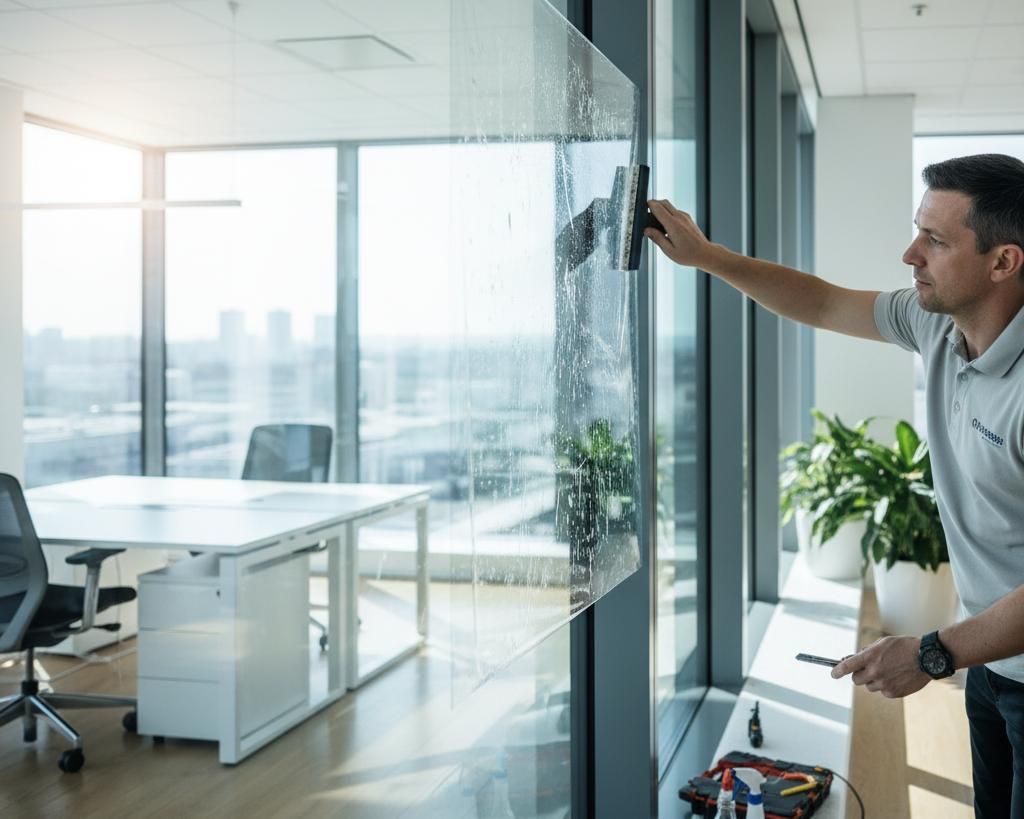
Commercial installations are planned around your operations. The installer reviews the building, confirms film selections by area, and schedules work to keep disruption low. On occupied buildings, that often means working suite by suite, after hours, or on weekends.
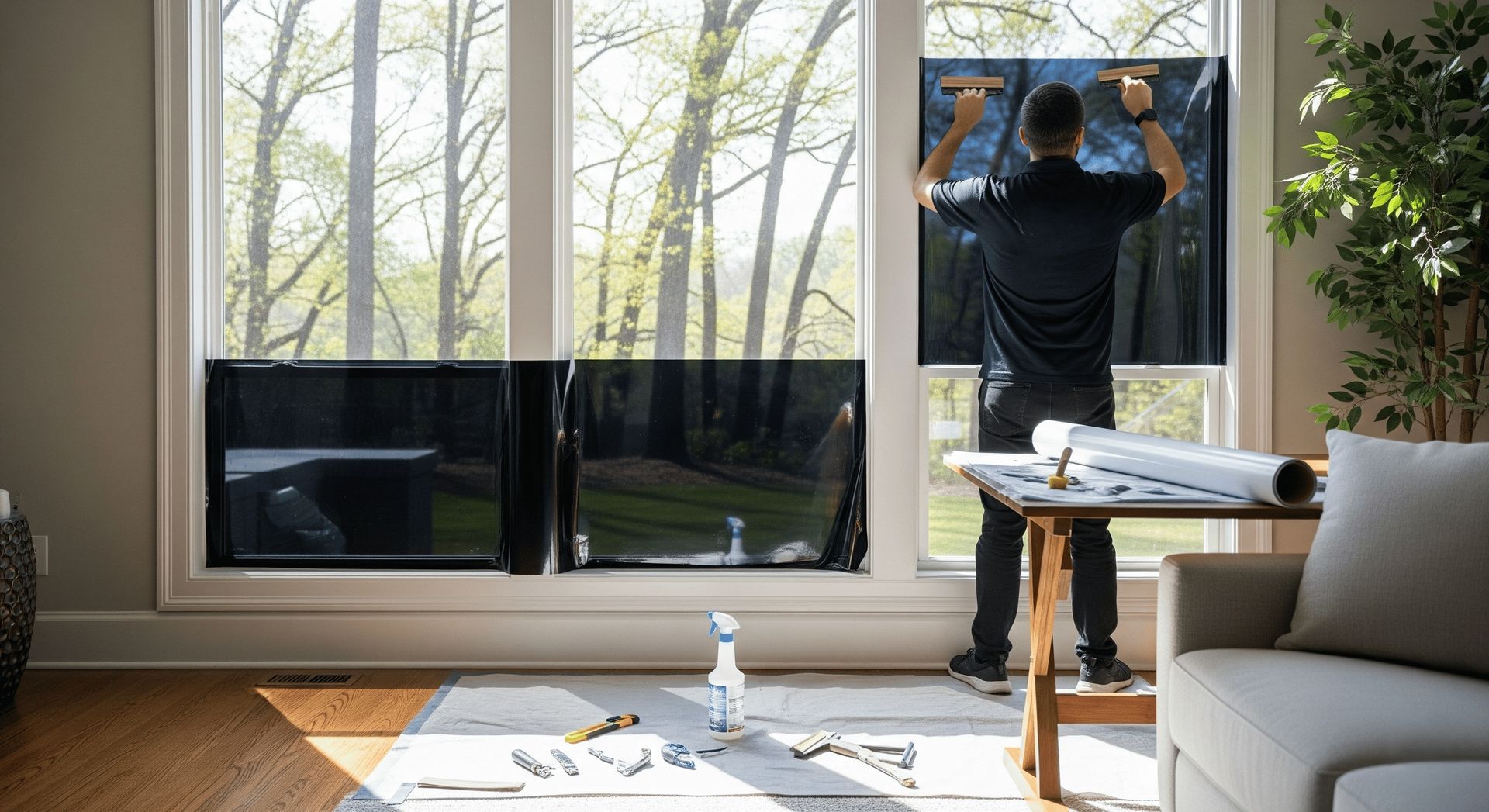
During installation, each pane is thoroughly cleaned, the film is cut precisely, and it's applied with a wet application method for a clean, bubble-free finish. A short curing period follows. Slight haze or small water pockets are normal at first and clear up as the film dries.
Maintenance is simple. Wait about a month before cleaning the film, then use a soft cloth or squeegee with a mild, non-abrasive cleaner. Avoid abrasive pads and sharp tools. Quality LLumar films come with manufacturer warranties on qualifying products, so your investment is protected.
Frequently Asked Questions About Commercial Window Tint
What is the best window tint for commercial buildings?
The best commercial tint depends on your goals, sun exposure, and glass type. In Northwest Georgia, low-E film is often the best all-around choice because it saves energy in summer and winter. Reflective films offer maximum heat rejection, and ceramic or neutral films improve performance without changing the building's look.
How much can commercial window film save on energy?
Professional energy audits estimate that buildings retrofitted with LLumar energy-saving window film can save as much as 15% annually on energy, with payback often as short as three years. Actual savings depend on glass area, orientation, climate, and HVAC efficiency.
Is window film cheaper than replacing commercial windows?
Yes. Commercial window film costs a fraction of window replacement and delivers comparable heat and glare improvements on windows that are in good condition. It installs in days instead of weeks, with minimal disruption.
Will window tint make my building too dark?
Not with the right film. Neutral, ceramic, and specialty films let in plenty of natural light while cutting heat and glare. Many occupants find they can finally open the blinds, so rooms actually feel brighter.
Does commercial window tint help in winter?
Low-E window films do. They add insulating properties that help keep heat inside during cold months, which makes them a strong fit for buildings in Rome and Floyd County.
Can window film be installed on the outside of a building?
Yes. Exterior-applied films are made for buildings without access to the interior side of the glass. They have a scratch-resistant coating built to handle outdoor exposure.
Does commercial window film improve security?
Safety and security films do. Their thick polyester layers and strong adhesives help hold glass in place during impacts, break-in attempts, and severe weather, which protects people from flying glass and slows intruders.
How long does commercial window film last?
Professionally installed, high-quality commercial film is built to last for many years. Your installer can explain the specific warranty terms for the film you choose.
Find the Best Commercial Tint for Your Building With Trim Ideas
The best tint for a commercial building in 2026 is the film that fits your building's exposure, glass type, appearance, and goals. For many properties in Northwest Georgia, that's a low-E film for year-round savings. Others benefit most from reflective film on hard-hit glass, ceramic or neutral film for a discreet look, or solar safety and security film at street level. The right combination lowers energy costs, ends hot and cold complaints, protects interiors, and improves how the building looks from the street.
Trim Ideas is an Authorized LLumar Film Dealer serving Rome, Summerville, Cave Spring, Lindale, Shannon, Kingston, Silver Creek, and all of Floyd County. We install premium LLumar solar control, decorative, and safety and security films, and we also create vinyl signs and graphics for complete commercial projects.
Ready to find the right film for your building? Call Trim Ideas at (706) 290-3401, visit our shop at 218 W 10th St in Rome, or request your free commercial window tinting estimate online today.