Should You Tint Your Sunroom Windows for Heat and Glare? A Rome, GA Homeowner's Guide
For most sunrooms, yes. Tinting sunroom windows with a quality solar control film is one of the most effective and affordable ways to make an overheated, glare-filled sunroom comfortable again. Modern residential films cut heat, reduce glare, and block more than 99 percent of UV rays, often without making the room noticeably darker. Choosing the right film for your glass type, roof panels, and how you use the room in winter is what makes the project succeed.
If you live in Rome, Summerville, Cave Spring, Lindale, or anywhere in Floyd County, you probably know the sunroom problem well. It's the brightest, most inviting room in the house in March, and by July it's too hot to sit in after 11 a.m. Glare washes out the TV, cushions and wicker furniture fade, and the AC struggles to keep up. Many homeowners end up closing the blinds, which defeats the whole point of having a sunroom.
This guide covers whether sunroom tinting is worth it, how it affects heat, light, and winter warmth, which films work best, what it costs, and how it compares with other options. At Trim Ideas in Rome, we install LLumar residential window films, and we'll give you straight answers so you can decide what's right for your space.
Why Sunrooms Get So Hot and Bright
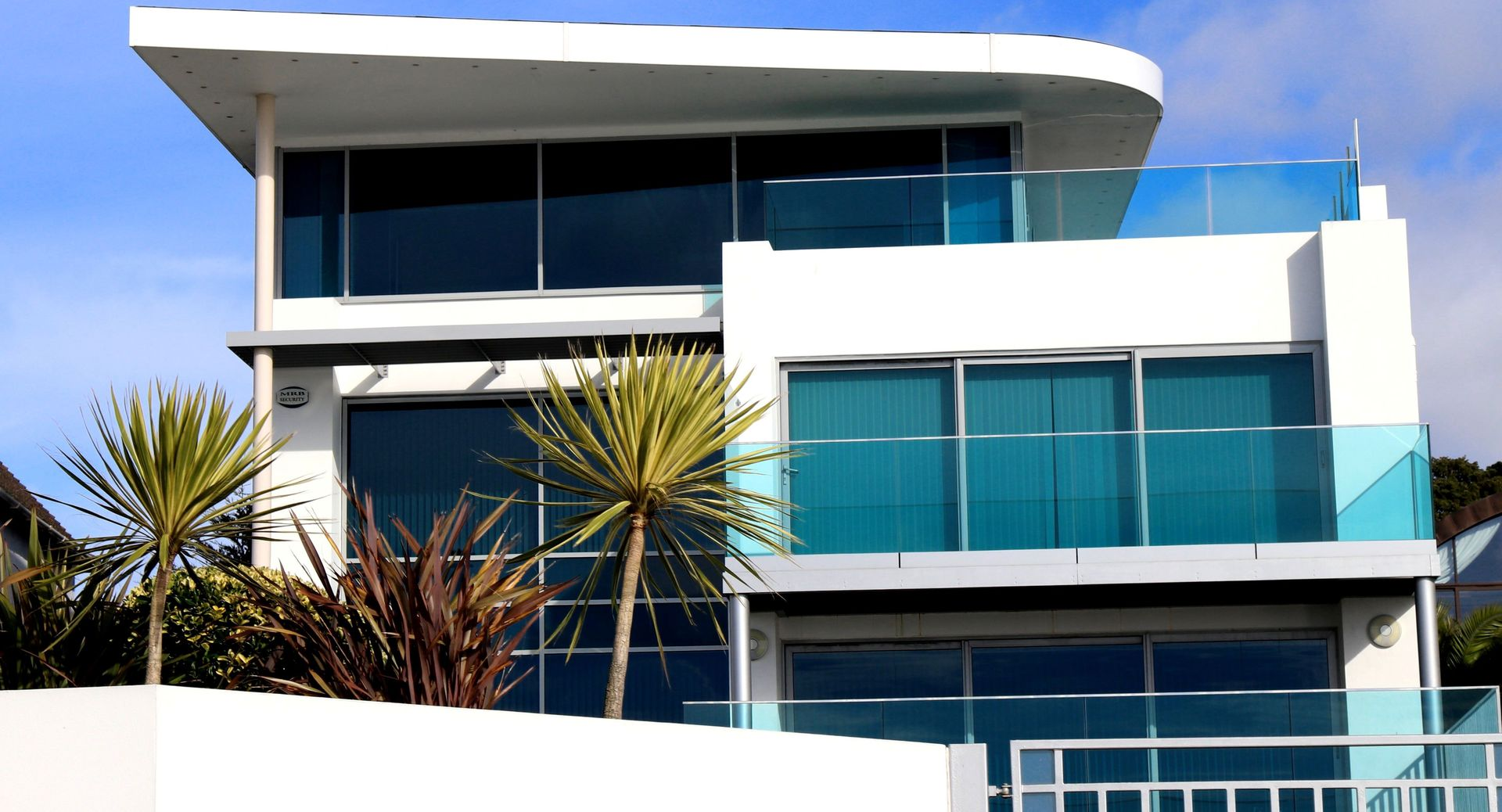
Sunrooms overheat because they are mostly glass, and ordinary glass lets solar energy straight through. Sunlight enters as visible light and infrared energy, warms the floor, furniture, and walls, and then gets trapped inside. It's the same greenhouse effect that makes a parked car hot on a summer afternoon.
Several features make sunrooms harder to cool than other rooms:
- Glass on multiple sides: most sunrooms face south or west and have glass on three walls, so they take in sun for most of the day.
- Overhead glass or roof panels: skylights and glass roofs catch direct midday sun, which is the most intense heat of all.
- Limited ductwork: many sunrooms are additions with little or no dedicated HVAC, or with ducts that were never sized for that much glass.
- Reflective surfaces: tile floors, white trim, and glass tabletops bounce glare around the room.
Northwest Georgia's long, humid summers make this worse. From late spring through early fall, an untreated sunroom can easily run far warmer than the rest of the house.
Does Tinting a Sunroom Really Reduce Heat and Glare?
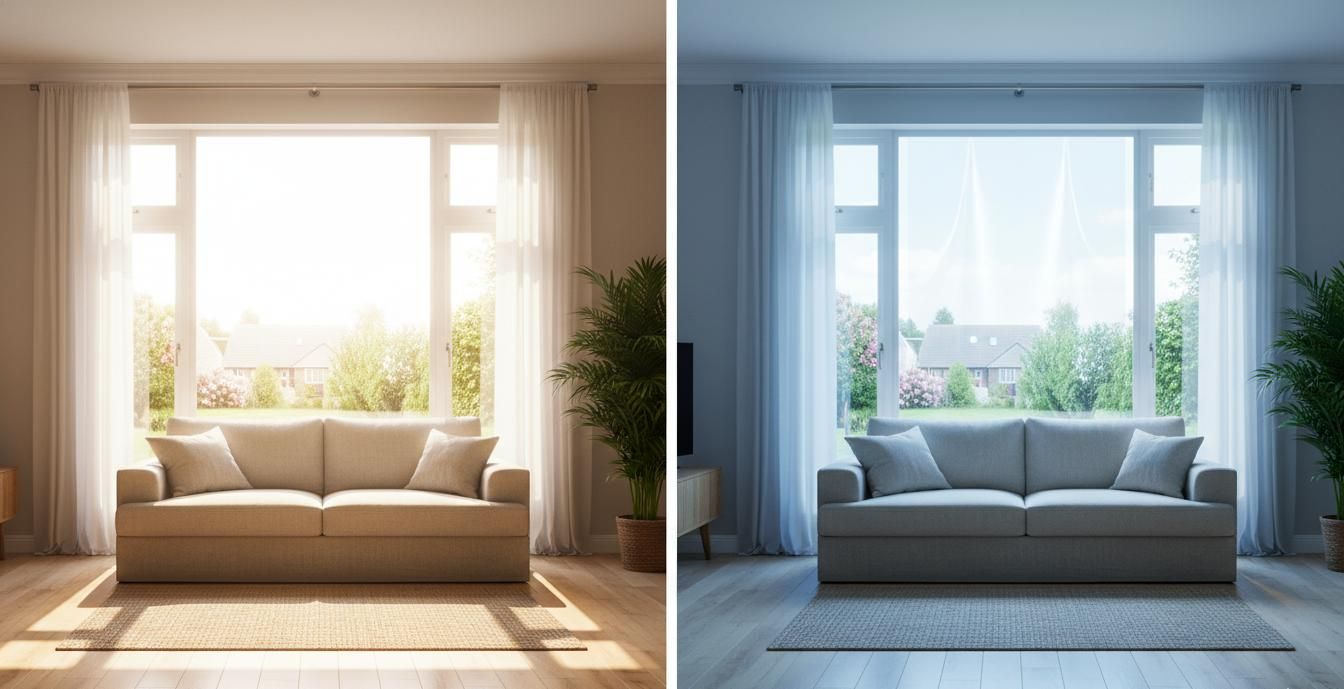
Yes. Solar control window film reduces heat by rejecting a large share of the sun's energy before it can build up inside the room. Depending on the film, residential window films can reject a significant portion of total solar energy while still letting in plenty of natural light. They also cut glare, which LLumar says can drop by up to 87 percent, so you can see screens and read comfortably without closing the blinds.
Film also blocks more than 99 percent of UV rays. That matters in a sunroom, where cushions, rugs, wood floors, and artwork sit in direct sun for hours every day. UV is a leading cause of fading, so film helps your furnishings keep their color much longer.
It helps to understand three performance terms you'll see on film specifications:
| Term | What It Means | Why It Matters for Sunrooms |
|---|---|---|
| Visible Light Transmission (VLT) | Percentage of visible light that passes through | Higher VLT keeps the room bright; lower VLT cuts more glare |
| Total Solar Energy Rejected (TSER) | Percentage of the sun's total energy blocked | Higher TSER means a cooler room |
| UV Rejection | Percentage of ultraviolet rays blocked | Protects furniture, floors, and skin |
The best sunroom films balance these numbers. You want strong heat rejection without turning a bright, cheerful room into a dim one.
Choosing the Right Film for Your Sunroom
Not every film suits every sunroom. Here's how the main residential film types compare.
| Film Type | Heat Rejection | Glare Reduction | Appearance | Best For |
|---|---|---|---|---|
| Spectrally selective (light) film | Good to very good | Moderate | Nearly clear, keeps the view natural | Homeowners who want heat control without darkening |
| Neutral / dual-reflective film | Very good | High | Slightly darker; lower interior reflectivity at night | Hot west-facing sunrooms with heavy glare |
| Reflective / metallized film | Excellent | High | Mirrored exterior look | Maximum heat rejection where appearance is less important |
| Low-E / insulating film | Good | Moderate | Light, neutral | Four-season sunrooms used year-round |
| Decorative / privacy film | Limited | Varies | Frosted or patterned | Sections facing neighbors or the street |
Many sunrooms use more than one film. A common approach is a stronger film on the west wall and overhead glass, and a lighter, clearer film on the walls where you want the view.
Important Sunroom Considerations Before You Tint
Sunrooms bring some unique questions. Here are the ones we talk through most often with Rome homeowners.
Overhead Glass vs. Polycarbonate Roof Panels
Glass roof panels and skylights are often the biggest heat source and usually the best place to start. Many sunrooms, however, have polycarbonate or acrylic roof panels instead of glass. Most window films are designed for glass and aren't recommended for plastic panels, which can outgas, expand, or scratch. A trained installer should confirm what your roof is made of before recommending any film.
Dual-Pane and Insulated Glass
Many modern sunrooms have dual-pane or low-E glass. Some films increase heat absorption in the glass, which can raise thermal stress on insulated units. A professional installer matches the film to your glass type so it performs well and stays within the film manufacturer's guidelines.
Winter Sun and Passive Heat
Here's the honest tradeoff. Film that blocks summer heat also blocks some welcome winter warmth. For a three-season sunroom you mostly use in warm months, that barely matters. For a four-season sunroom you rely on in winter, a lighter spectrally selective or low-E film can help, because it cuts summer heat gain while helping to hold indoor heat in cooler months.
Houseplants
Most houseplants do fine behind residential film because it still lets through a large share of visible light. Film blocks UV, which plants don't rely on for photosynthesis. If you grow light-hungry plants like succulents or citrus, choose a film with higher visible light transmission.
HOA Rules and Exterior Appearance
Highly reflective films change how glass looks from outside. If you live in a neighborhood with an HOA, check whether there are rules about mirrored or tinted glass before you choose.
How Much Does It Cost to Tint Sunroom Windows?
In Northwest Georgia, sunroom window tinting typically costs $6 to $14 per square foot installed, depending on the film and the glass. A typical sunroom has 150 to 350 square feet of glass, so most projects fall between about $1,000 and $4,000. Overhead glass costs more because it requires ladders or scaffolding and extra care during installation.
| Sunroom Size | Approx. Glass Area | Estimated Installed Cost* |
|---|---|---|
| Small enclosed porch (walls only) | 100–150 sq ft | $700–$1,800 |
| Mid-size sunroom (walls only) | 150–250 sq ft | $1,000–$3,000 |
| Large sunroom with overhead glass | 250–350+ sq ft | $2,000–$4,500+ |
General North Georgia market estimates. Final pricing depends on film selection, glass type, access, and whether old film must be removed.
Sunroom Tint vs. Other Options
How does film compare with the other common ways to cool a sunroom?
| Option | Upfront Cost | Heat Control | Keeps the View | Maintenance |
|---|---|---|---|---|
| Solar control window film | Moderate | Good to excellent | Yes | Very low |
| Interior blinds or shades | Low to moderate | Low (heat is already inside) | Only when open | Dusting, cord wear |
| Exterior solar screens | Moderate | Good | Partially | Weathering, cleaning |
| Mini-split AC unit | Moderate to high | Treats the symptom, not the cause | Yes | Ongoing energy use |
| Replacement with high-performance glass | High | Good to excellent | Yes | Low |
LLumar estimates that professionally installed energy-saving film costs about one-fifth as much as replacement windows. If your sunroom glass is in good condition, film is usually the most cost-effective upgrade. It also pairs well with a mini-split, because film reduces the heat load the unit has to fight.

Why Rome Homeowners Choose Trim Ideas for Sunroom Window Film
Trim Ideas is an Authorized LLumar Film Dealer. LLumar is one of the most trusted names in window film, and its residential films come with manufacturer warranties on qualifying products. We offer solar control, decorative, and safety and security films, so we can match the right film to each wall and roof section of your sunroom.
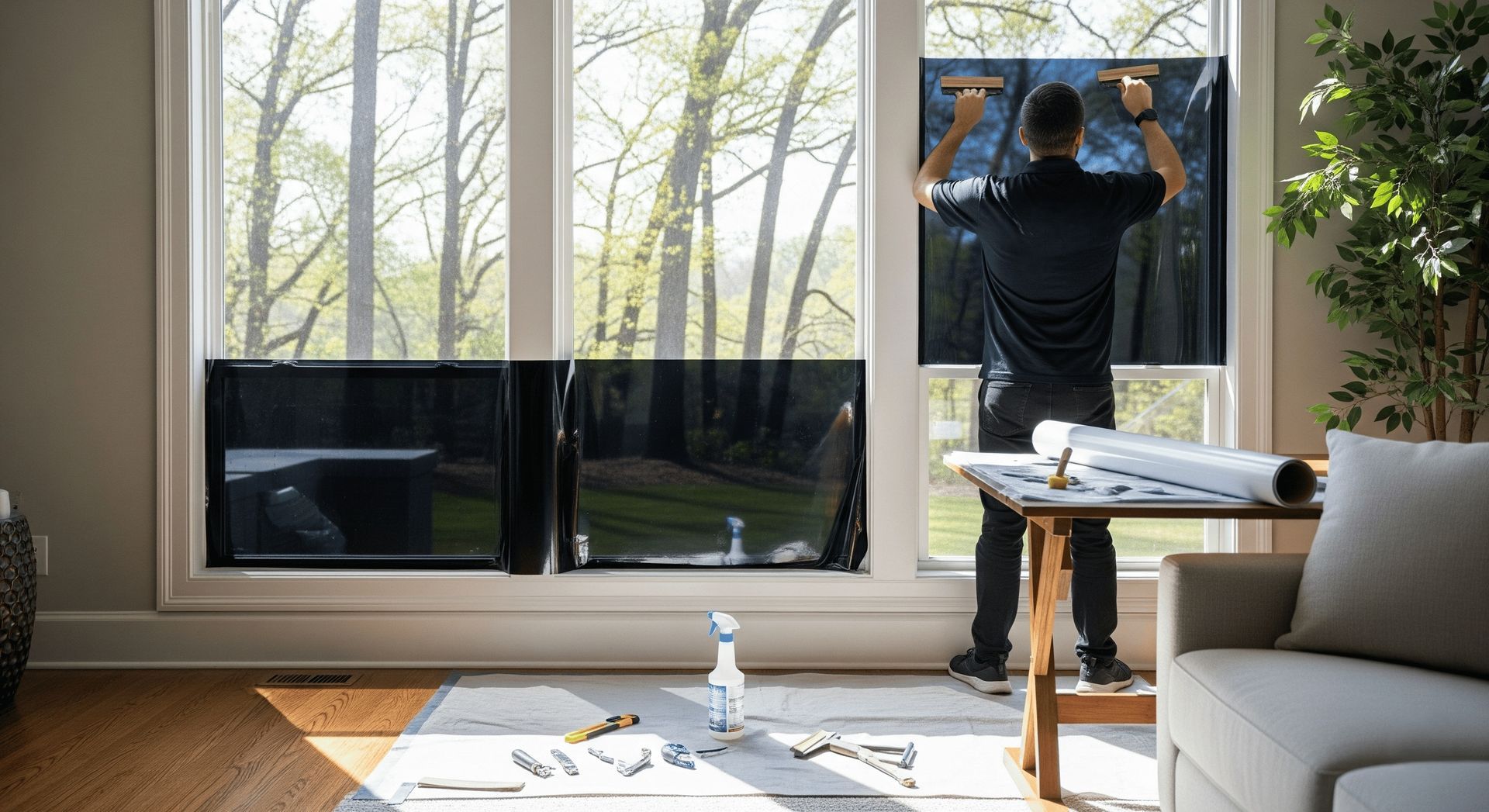
Our customers say we're honest and reasonable, and that we recommend what you actually need rather than the most expensive option. We'll look at your glass, your roof panels, how you use the room, and your budget before recommending a film. Before you decide, you can also use our online residential film viewer to preview how different films look.
Frequently Asked Questions About Tinting Sunroom Windows
Will tinting my sunroom make it too dark?
Not with the right film. Many modern spectrally selective films are nearly clear and still reject a meaningful share of heat. You can choose a lighter film to keep the room bright or a darker one for maximum glare control.
Can you tint sunroom roof panels?
Glass roof panels and skylights can usually be tinted, and they're often the best place to start. Polycarbonate or acrylic panels generally aren't suitable for standard window film, so have an installer confirm your roof material first.
Does window film help in winter?
Some films help. Low-E and certain spectrally selective films reduce heat loss through glass in cooler months. Darker, highly reflective films reduce more summer heat but also block more winter sun.
Will window film hurt my plants?
Usually not. Most houseplants grow well behind residential film because it still lets through plenty of visible light. For light-loving plants, choose a film with higher visible light transmission.
Can I get a tax credit for tinting my sunroom?
No. The federal energy-efficient home improvement credit ended for work placed in service after December 31, 2025. Check with a tax professional about your specific situation.
How long does sunroom window film last?
Quality residential films commonly last 10 to 20 years or more indoors and are backed by manufacturer warranties on qualifying products.
How long does installation take?
Most sunroom projects are completed in a day. Larger rooms with overhead glass may take longer. The film then cures over several days to a few weeks.
Make Your Sunroom Comfortable Again
Tinting your sunroom windows is one of the smartest ways to fix heat and glare without giving up the natural light that makes a sunroom special. The right film cools the room, cuts glare, protects your furnishings from fading, and costs far less than new glass. Before you buy, make sure the film is matched to your glass, your roof panels, and how you use the room year-round.
If you live in Rome, Summerville, Cave Spring, Lindale, Shannon, Kingston, Silver Creek, or elsewhere in Floyd County, Trim Ideas is ready to help. You can:
- Request a free residential estimate online
- Call (706) 290-3401
- Visit our shop at 218 W 10th St, Rome, GA 30165, Monday through Friday from 9 AM to 5 PM