Can Window Tint Interfere With GPS, Bluetooth, or Sensors?
Modern vehicles are rolling computers. From turn by turn GPS navigation to Bluetooth hands free calling, satellite radio, cellular data, keyless entry, and advanced driver assistance sensors, your car depends on wireless signals and electronics more than ever. At the same time, window tint remains one of the most popular comfort upgrades in Georgia because it can
reduce glare, cut heat, and protect interiors from UV damage. That combination creates a common worry: does
window tintaffect GPS, cause Bluetooth dropouts, or trigger window tint sensor issues? Online forums still repeat stories from years ago about tint blocking signals, and those myths can make drivers in Rome, GA hesitate before scheduling installation. The reality is that tint technology has evolved. Understanding how signals move through a vehicle, why older metallic films created problems, and how modern non metallic film options are engineered helps you choose a solution that improves comfort without compromising electronics. In this guide, Trim Ideas explains what can interfere, what will not, and how to tint your vehicle safely and confidently.
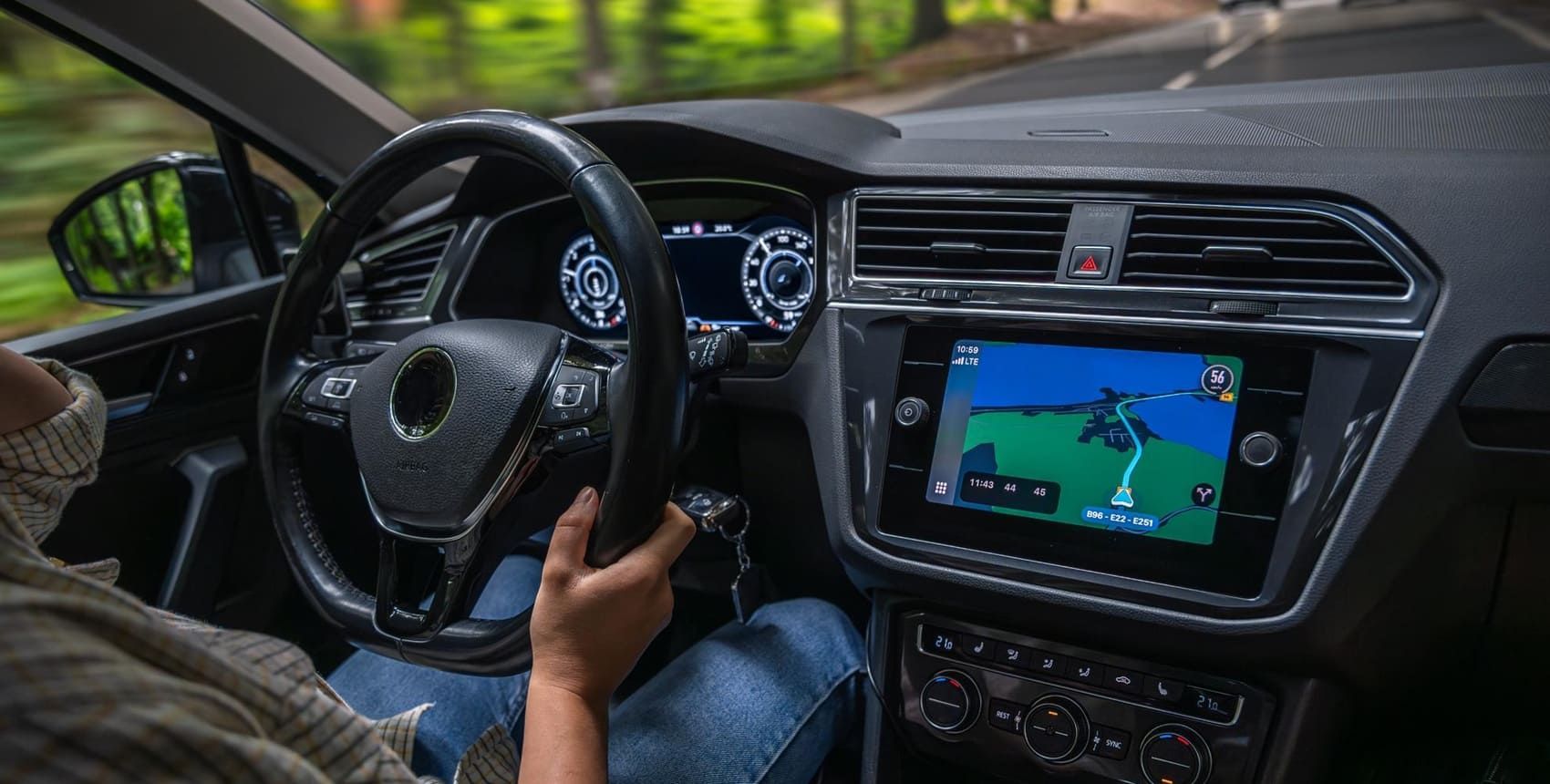
Table of Contents
- 1. How Wireless Signals and Sensors Work in Cars
- 2. Why Older Metallic Tint Caused Interference
- 3. Dyed, Carbon, Metallic, and Ceramic Film Differences
- 4. Why Non Metallic Ceramic Tint Stays Compatible
- 5. Windshield Tint and Antenna Placement Considerations
- 6. Best Practices for Electronics Safe Tinting
- 7. Why Professional Installation Matters in Rome, GA
- 8. Comparison Table: Film Types and Signal Compatibility
- 9. FAQ: Window Tint and Electronics
- 10. Conclusion and Next Steps with Trim Ideas
1. How Wireless Signals and Sensors Work in Cars
To understand whether window tint Bluetooth interference is real, it helps to understand what systems inside your vehicle rely on wireless signals and what systems do not. Some technologies are based on radio waves traveling through the air. Others are wired, optical, or radar based and are not affected by window film on side glass.
GPS navigation: GPS receivers use signals from satellites. Your car’s GPS antenna is often located in the dashboard, on the roof, or integrated into a shark fin antenna. GPS signals are relatively weak by the time they reach the vehicle, which is why antenna placement matters. However, most normal tint films on side windows do not significantly block GPS signals because the antenna is not relying on side window transmission for signal reception.
Bluetooth: Bluetooth is a short range wireless connection that operates at 2.4 GHz. It connects your phone to the vehicle head unit for calls, audio, and sometimes wireless CarPlay or Android Auto. Bluetooth signals are strong at short distances. Most reported issues are caused by phone settings, software, or device compatibility, not window tint.
Cellular data and Wi Fi: Many modern vehicles have built in cellular connectivity, Wi Fi hotspots, and connected apps. These signals rely on antennas that are usually external or integrated into the roof antenna assembly. Again, side window tint is rarely the limiting factor.
Satellite radio: Satellite radio signals are received by an external antenna, often the roof or trunk. The signal path is not usually through the side windows, which is why tint is typically not a cause of satellite reception issues.
Keyless entry and push button start: These systems use radio frequency communication between your key fob and the vehicle. The antennas are inside the vehicle body, near doors or the center console. Most quality non metallic tint does not interfere with keyless entry systems.
Vehicle sensors and ADAS: Modern safety systems can include cameras near the rear view mirror, radar sensors behind bumpers, lane departure cameras, rain sensors, and lidar like components in some models. These are not dependent on side window transparency. Windshield areas near sensors are the key consideration, not door glass tint.
If you are researching window tint sensor issues, the most important takeaway is this: the film type matters far more than the shade, and most electronics are unaffected by modern non metallic tint when installed correctly.
2. Why Older Metallic Tint Caused Interference
So why do people still ask, does window tint affect GPS? The myth has a real origin. Some older and lower quality films used metallic layers to reflect heat. Those metallic particles can reflect or absorb radio frequency signals. Think of it like a partial shield. When metallic tint is applied, it can create a barrier that affects certain frequencies more than others.
Common symptoms associated with metallic films include:
- Reduced cell signal strength in fringe coverage areas
- Satellite radio dropouts in certain conditions
- Inconsistent GPS performance in vehicles with interior antennas
- Bluetooth issues when paired with other signal challenges
Even then, many interference complaints were not purely caused by tint. Vehicle antenna designs, phone carriers, and software stability also play roles. But metallic tint increased the likelihood of problems, especially in vehicles where the antenna relied on receiving signal through glass.
Today,
premium film options have moved away from heavy metallic construction, especially for customers who demand electronics compatibility. That is one reason ceramic and carbon films have become the preferred choice for modern vehicles in Rome, GA and surrounding areas.
3. Dyed, Carbon, Metallic, and Ceramic Film Differences
Not all tint is the same. When choosing electronics safe film, you should understand the major categories and what they are designed to do.
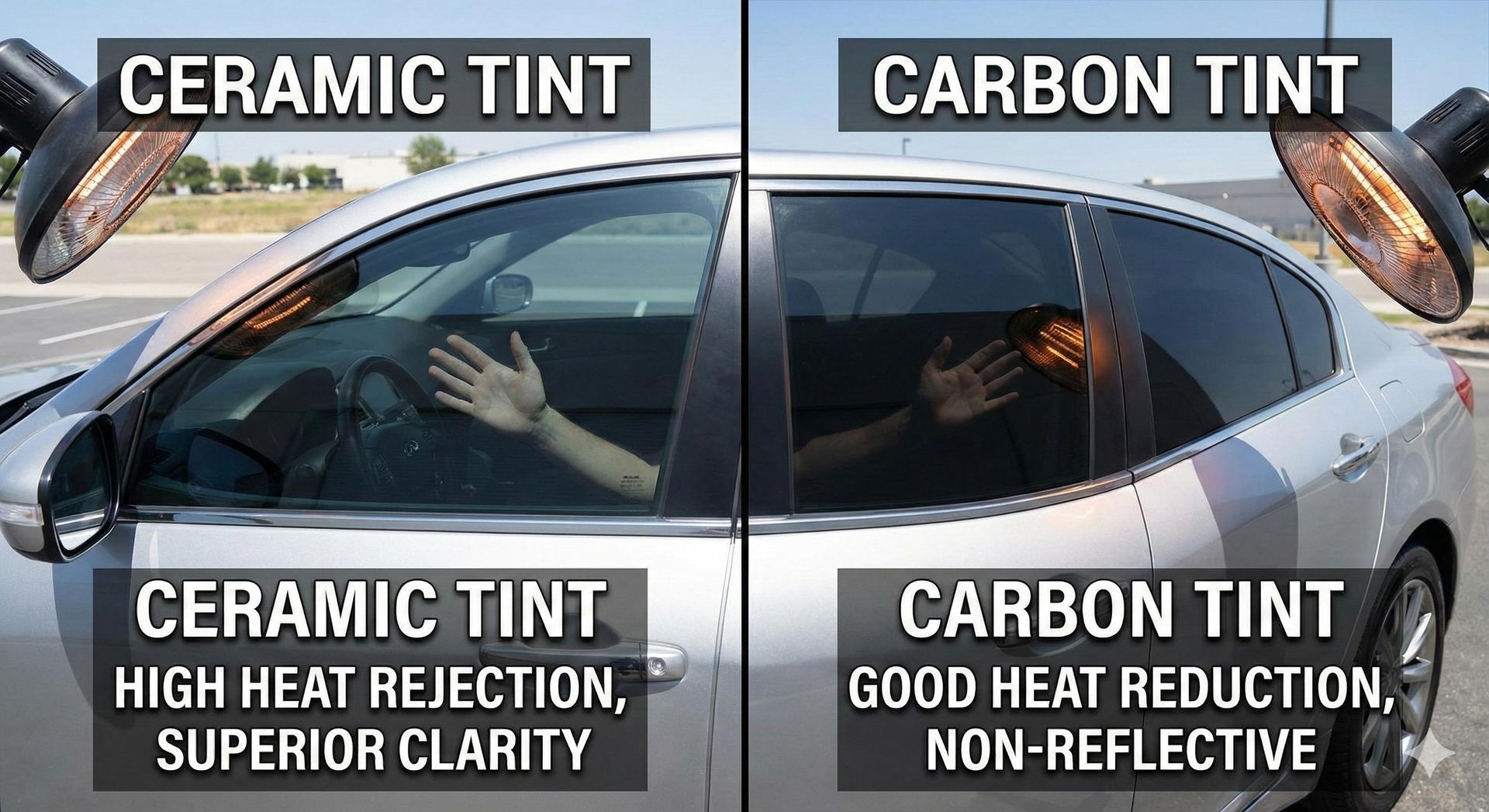
Dyed film: Dyed tint uses dye to darken the glass and reduce visible light. It is often lower cost. Dyed film can reduce glare but typically offers lower heat rejection compared to advanced technologies. It is non metallic, so it usually does not cause signal interference. Long term color stability can vary by quality.
Carbon film: Carbon tint uses carbon particles that improve heat performance and reduce fading. Carbon films are also non metallic, so they are generally compatible with electronics. Many drivers choose carbon as a mid range option that balances performance and cost.
Metallic film: Metallic films use metal layers to reflect solar energy. They can offer solid heat performance, but they are the most likely category to create signal issues. Metallic tint is also more likely to create a shiny or reflective look that some drivers do not prefer.
Ceramic film:
Ceramic tint uses non metallic ceramic particles engineered to reject infrared heat and block UV rays while maintaining optical clarity. Ceramic is widely considered the best option for modern vehicles that rely on wireless connectivity and sensors because it is designed to avoid interference.
When you see LLumar auto window tint options, you may find different product lines within the brand. The key is to choose a film type that matches your comfort needs while staying compatible with your electronics. Trim Ideas installs LLumar Auto Window Tinting products engineered for heat rejection and UV protection without interfering with vehicle systems.
4. Why Non Metallic Ceramic Tint Stays Compatible
Drivers often ask whether ceramic tint blocks signals. High quality ceramic film is non metallic, which means it does not contain metal layers that reflect radio frequencies in the same way older metallic films can. Instead, ceramic technology focuses on managing heat through advanced materials that target infrared energy and block UV.
That difference is why ceramic films are the go to choice for modern vehicles with:
- Wireless CarPlay and Android Auto
- Multiple Bluetooth devices connected at once
- Built in cellular hotspots and connected apps
- Advanced driver assistance systems
- Keyless entry and push button start
In practical terms, most drivers who choose ceramic tint do not notice any change in GPS accuracy, Bluetooth stability, or key fob function. If a driver does experience issues after tinting, the cause is often unrelated, such as a phone software update, a weak carrier area, or an antenna issue that becomes noticeable by coincidence.
For Rome GA window tint customers, ceramic film is also popular because it delivers strong comfort benefits without requiring extreme darkness. You can choose a legal shade level and still get excellent heat rejection and UV protection.
5. Windshield Tint and Antenna Placement Considerations
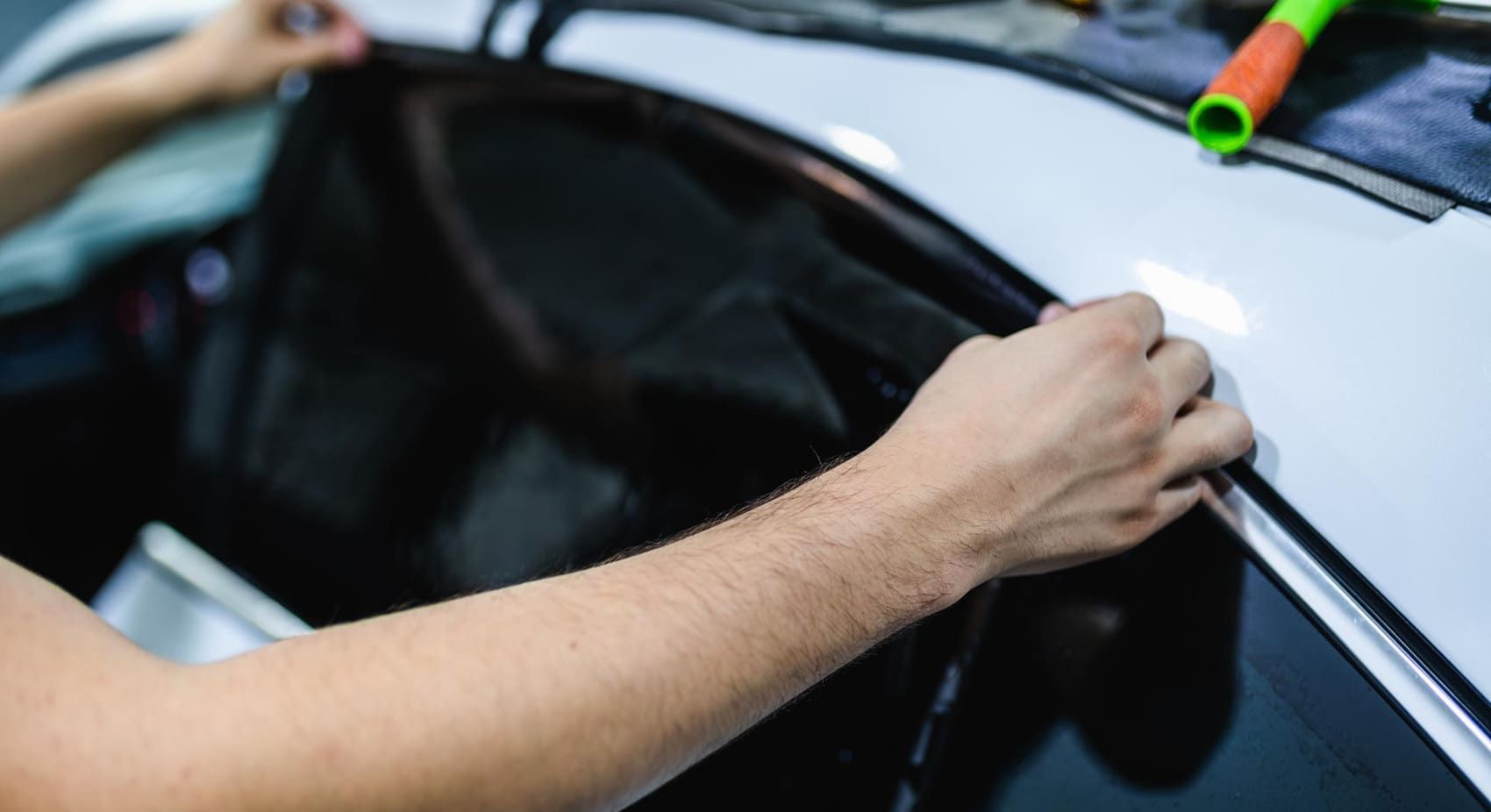
Windshield tint is the area where signal concerns deserve the most attention, not because ceramic tint causes interference, but because some antennas and sensors are located near or on the windshield. Many modern vehicles have camera housings behind the rear view mirror and may have rain sensors or other components bonded to the glass.
Here are the key considerations:
- Sensor zones: Installers must avoid covering areas that must remain clear for camera based systems or that require specific transparency for sensor calibration.
- Antenna placement: Some vehicles integrate antennas into the windshield or rear glass. If so, film selection should prioritize non metallic materials.
- Legal limits: Georgia has specific rules for windshield tint, often allowing tint only above the AS1 line or a certain top strip. A very light film may be an option for heat control when compliant.
If you want windshield tint for comfort, the safest approach is a
professional consultation. Trim Ideas can recommend a LLumar film option that improves comfort while respecting sensor locations and Georgia requirements.
6. Best Practices for Electronics Safe Tinting
If you want to avoid window tint sensor issues and ensure full connectivity, follow these best practices when planning your tint job:
- Choose non metallic film: Carbon and ceramic are the most electronics friendly categories.
- Prioritize reputable film brands: Film quality and consistency matter for clarity and long term durability.
- Discuss your vehicle’s tech package: Tell your installer if you have wireless CarPlay, built in navigation, satellite radio, or ADAS features.
- Confirm windshield requirements: If you want a windshield film, ensure it is legal and installed with proper sensor cutouts if needed.
- Test your systems after installation: Pair Bluetooth, confirm GPS lock, and verify keyless entry. This helps you catch unrelated issues quickly.
For many drivers, the best answer is to choose a premium ceramic film. It is designed to deliver comfort without the risk profile of metallic films. Trim Ideas installs LLumar auto window tint products that are engineered to provide heat rejection and UV protection while maintaining electronic compatibility.
7. Why Professional Installation Matters in Rome, GA
Professional installation affects more than appearance. It affects performance, clarity, and compliance. A quality shop will understand how to tint modern vehicles without disrupting sensors, antennas, or camera systems.
Professional installation includes:
- Correct film selection based on your electronics and comfort goals
- Proper glass preparation to avoid contamination and bubbles
- Precision trimming and clean edges for long term durability
- Correct handling around sensor zones on windshields
- Guidance on curing time and maintenance for best results
In the Rome area, drivers also want a shop that understands
Georgia tint laws and can recommend compliant shades. That is part of protecting your
investment. A film that looks great but is not compliant can create unnecessary stress.
8. Comparison Table: Film Types and Signal Compatibility
The table below summarizes how common film types compare. Specific products vary, so use this as a general guide.
| Film Type | Signal Compatibility | Heat Rejection | UV Protection | Optical Clarity | Best Fit |
|---|---|---|---|---|---|
| Dyed | High | Low to Medium | Medium | Good | Budget glare reduction |
| Carbon | High | Medium | High | Very good | Balanced performance |
| Metallic | Variable, can interfere | Medium to High | High | Can be reflective | Older tech, less recommended |
| Ceramic | Very high | High | Very high | Excellent | Best for modern vehicles |
9. FAQ: Window Tint and Electronics
Does window tint affect GPS navigation?
ost modern non metallic tint does not. GPS antennas are usually external or roof mounted. Metallic films are the category most associated with signal issues.
Can window tint cause Bluetooth connectivity problems?
Bluetooth is short range and typically unaffected by tint. If problems occur, they are often related to device settings, software, or pairing issues rather than the film.
Does ceramic tint block signals?
Quality ceramic tint is non metallic and is designed to maintain signal clarity. It is one of the best choices for electronics compatibility.
Will tint interfere with satellite radio?
Satellite radio uses an external antenna. Non metallic films rarely cause issues. Metallic films can increase risk in some vehicle designs.
Can tint affect keyless entry or push button start?
Non metallic tint typically does not interfere with key fob communication. If range issues exist, they are more commonly due to key fob batteries or vehicle antenna issues.
Can windshield tint impact GPS accuracy?
Most vehicles receive GPS through roof antennas, but some designs use interior antennas. If you tint the windshield, use non metallic film and ensure sensor areas remain clear.
Are there legal limits for windshield tint in Georgia?
Yes. Georgia has specific rules for windshield tint, often limiting it to the top strip or other defined areas. Confirm current requirements before installing.
What film type is most likely to cause interference?
Metallic tint films are the most likely to interfere with signals. This is why many modern installers recommend ceramic for tech heavy vehicles.
How do I choose electronics safe window tint?
Choose a non metallic film like carbon or ceramic from a reputable brand such as LLumar. Work with a professional shop that understands modern vehicle technology.
What should I test after tint installation?
Test GPS navigation, Bluetooth calls, satellite radio reception, and keyless entry. If anything seems off, contact your installer so they can help troubleshoot.
10. Conclusion and Next Steps with Trim Ideas
Window tint interference concerns usually come from older metallic film technology. Today, modern non metallic tint options are engineered to provide comfort benefits without disrupting wireless signals. If you are asking does window tint affect GPS or worrying about window tint Bluetooth interference, the most important decision is the film type. Non metallic ceramic films are designed to maintain electronic compatibility while delivering strong heat rejection and UV protection.
Trim Ideas installs
LLumar Auto Window Tinting products that enhance comfort and protect your interior while maintaining full electronic performance. If you are in
Rome, GA or the surrounding areas and want a tint solution that keeps GPS, Bluetooth, satellite radio, keyless entry, and sensors working as intended,
contact Trim Ideas for expert guidance and a
free estimate. We will help you choose the right film and shade for your vehicle and your driving needs.