Is Carbon or Ceramic Tint Better for Daily Georgia Drivers?
For daily drivers in Rome, Georgia, choosing the right window tint is not just about appearance. It is about comfort, durability, and how well your vehicle handles long afternoons in traffic, bright summer sun, and year-round UV exposure. Many local drivers start with the same question: is carbon or ceramic tint better for everyday use in Georgia? The short answer is that ceramic tint is often the stronger long-term performer, but the best choice depends on your budget, how long you plan to keep the vehicle, how much cabin heat matters to you, and whether reliable phone and GPS signal is important. Not all tint films are built the same, and not all films age the same way after years of daily commuting. If you drive regularly in Rome and across Floyd County, understanding the real differences between carbon tint and ceramic tint can help you choose the option that gives you the best value over time.
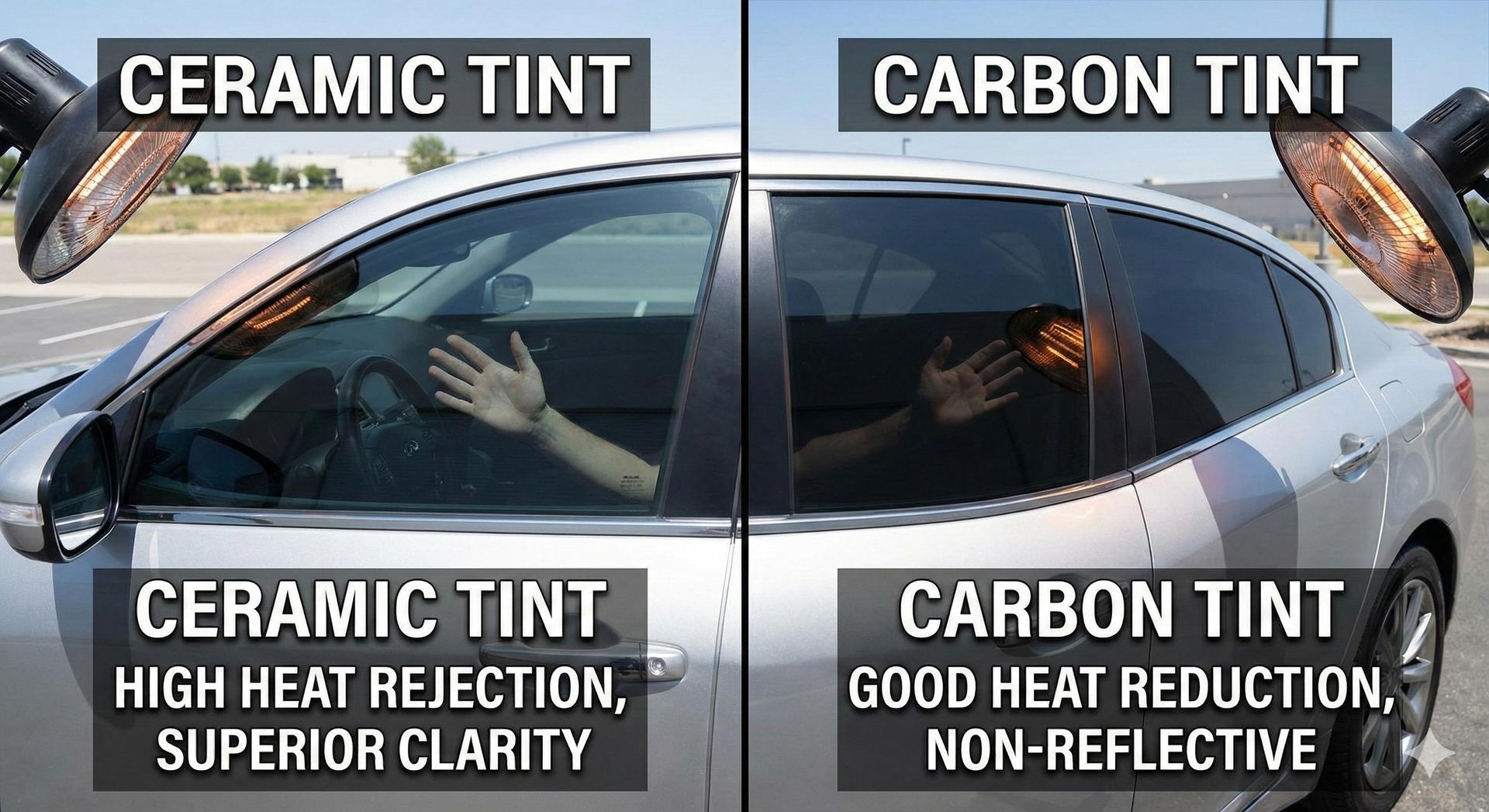
Table of Contents
- Why daily driving in Georgia puts extra demand on window tint
- How carbon tint and ceramic tint are actually made and how they work
- Heat and UV performance: carbon vs ceramic
- Long-term durability: fading, bubbling, and color stability over years of daily use
- Which tint is better for daily Georgia drivers and why
- Carbon vs ceramic side-by-side comparison
- Other factors that affect the decision
- FAQ
- Conclusion
Why Daily Driving in Georgia Puts Extra Demand on Window Tint
Georgia commuters face heat for more months of the year
Daily commuting in northwest Georgia puts real stress on a vehicle interior. Rome drivers deal with hot summers, bright spring afternoons, warm fall days, and plenty of sun exposure even outside peak summer. If your car spends hours parked at work, on errands, or in a driveway with direct sun, window film has to perform consistently across many months, not just during July.
This is one reason the carbon vs ceramic tint conversation matters so much. A film that looks fine at installation can feel very different after repeated heat cycles, UV exposure, and daily use. Drivers who want the best tint for daily drivers in Georgia often care less about the first week and more about how the film performs after several years.
Stop-and-go traffic makes cabin heat more noticeable
Highway airflow can help a little, but stop-and-go traffic is where poor tint performance becomes obvious. When a vehicle is idling at lights or moving slowly through town, solar heat gain can build quickly through the side glass and rear window. Commuters often feel this as hot seats, stronger glare, and an interior that takes longer to cool down.
For that reason, many vehicle owners researching ceramic window tint in Rome GA are really looking for better real-world comfort. They want a film that helps reduce harsh heat load during the hours they actually drive, not just a darker appearance.
Daily use means long-term wear matters
Everyday driving also increases the value of long-term durability. Roll-up windows, cleaning, regular exposure to sunlight, and general vehicle aging all affect how film holds up. Whether you choose carbon or ceramic, installation quality and film quality matter. A professionally installed premium film will usually hold its appearance and performance better than a low-cost product that simply meets a short-term budget.
For Floyd County drivers, the key point is simple: daily driving in Georgia is demanding enough that tint should be viewed as a long-term performance upgrade, not just a cosmetic add-on.
How Carbon Tint and Ceramic Tint Are Actually Made and How They Work
Carbon tint uses carbon-based particles to improve performance
Carbon tint is designed to outperform basic dyed film by using carbon-based materials within the film structure. Compared with entry-level dyed films, carbon tint generally offers a richer appearance, better resistance to fading, and stronger heat performance. It is often chosen by drivers who want a step up from basic film without moving all the way to premium ceramic pricing.
When people search carbon tint durability, this is usually what they are trying to understand: carbon film is often considered a more stable and more refined option than basic dyed tint, especially for vehicles that are used every day.
Ceramic tint uses non-metallic ceramic particles
Ceramic tint is built with advanced non-metallic ceramic particles that are engineered to improve heat rejection while maintaining strong visibility and compatibility with modern electronics. Because ceramic film is non-metallic, it is commonly preferred by drivers who rely on phones, GPS, wireless connections, and other signal-sensitive devices while on the road.
This matters in a modern commuter vehicle. Drivers using navigation, streaming, hands-free calling, and toll systems often want confidence that their film choice will not create avoidable signal issues.
Neither option should be confused with basic dyed film
Many comparisons overlook the fact that carbon and ceramic are both different from basic dyed tint. Dyed film is usually the budget reference point. It can improve appearance and reduce some glare, but it typically does not deliver the same long-term performance, color stability, or heat control that higher-grade films can provide.
Trim Ideas offers LLumar auto window tint options that let drivers compare film levels more clearly. For example, LLumar CTX ceramic tint and LLumar IRX ceramic tint are premium choices for drivers who want stronger heat rejection and long-term value, while LLumar ATC provides a more budget-conscious path for those focused primarily on appearance and everyday glare reduction.
How these differences show up in daily driving
In simple terms, carbon film is often the practical middle ground, while ceramic is the premium performance option. Carbon can be a solid choice for many vehicles, but ceramic is usually the answer when a driver wants the best overall mix of comfort, longevity, signal compatibility, and long-term satisfaction. That is why so many searches for window tinting Floyd County eventually narrow down to ceramic for commuters who plan to keep their vehicles for years.
Heat and UV Performance: Carbon vs Ceramic
Ceramic usually wins on heat rejection
If the main question is which tint blocks more heat, carbon or ceramic, ceramic is generally the better answer. For daily Georgia drivers, this is often the deciding factor. Better heat rejection can make the cabin feel less intense during afternoon drives, reduce the burden on the air conditioner, and improve comfort for people who spend a lot of time in the car.
This does not mean carbon performs poorly. Carbon tint can still be a meaningful upgrade over basic dyed film and may be enough for drivers with shorter commutes or lower sensitivity to cabin heat. But for the strongest heat-management benefits, ceramic typically leads.
Infrared control matters for cabin comfort
Infrared rejection is one of the biggest reasons premium ceramic films are popular. The more effectively a film manages this part of solar energy, the better it can help reduce the feeling of radiant heat coming through the glass. In real-world use, that can mean a more comfortable drive when sunlight is hitting the vehicle directly.
For commuters in Rome, Georgia, where sunny afternoons and parked-car heat buildup are common, ceramic tint often provides a noticeable advantage in day-to-day comfort.
UV protection is important for both interior and driver comfort
Quality automotive tint is also valued for UV protection. This can help protect interior surfaces from sun-related wear and can make time behind the wheel more comfortable. While both carbon and ceramic films can offer strong UV protection, premium film quality and proper installation are what matter most. Drivers comparing options should focus on trusted film lines and professional application, not just category labels.
Glare reduction is useful, but not the whole story
Glare reduction is another benefit that matters to daily drivers, especially during early morning and late afternoon commutes. Both carbon and ceramic can help reduce harsh sunlight and improve comfort. However, glare reduction alone should not drive the entire decision. The bigger question for many drivers is how the film handles heat and maintains performance over time.
If you are searching for the best tint for daily drivers Georgia, the strongest answer often comes from balancing glare control with superior heat management, which is where ceramic usually stands out most.
Long-Term Durability: Fading, Bubbling, and Color Stability Over Years of Daily Use
Durability matters more when the vehicle is driven every day
A weekend car and a commuter car do not put the same demands on tint. Daily use means more heat exposure, more glass movement, and more years of visible wear. That is why long-term value should be part of any carbon vs ceramic tint decision.
Drivers often ask whether carbon tint will hold up well over time. The answer is that quality carbon film can be durable, especially compared with basic dyed products. Still, ceramic generally has the stronger reputation for premium long-term performance and stability.
Fading and color stability are common concerns
One reason some drivers move away from low-end tint is concern about fading or color shift over time. Basic dyed films are more likely to be associated with discoloration and aging issues. Carbon tint is typically chosen as a better-performing alternative because it is designed to provide improved color stability and a more refined finish.
Ceramic takes that long-term confidence a step further. For drivers who plan to keep a vehicle for many years, ceramic often feels like the more future-proof choice because it is selected for performance consistency, premium appearance retention, and strong overall durability.
Bubbling is often linked to film quality and installation quality
When drivers ask about bubbling, the film category is only part of the conversation. Proper installation and product quality are just as important. Even a strong film needs skilled installation to perform the way it should. Choosing an established shop and a recognized film brand is often the best way to reduce the risk of premature issues.
As an authorized LLumar dealer, Trim Ideas can help drivers compare film options that are backed by a lifetime warranty, which is especially important for people investing in long-term results rather than short-term savings.
Daily drivers benefit from buying once, not buying twice
One of the biggest hidden costs in window tint is replacement. A lower-cost film that needs to be redone earlier can erase the savings it seemed to offer upfront. For a commuter vehicle that you expect to own for years, paying more once can be more cost-effective than replacing a lesser film later.
That is a major reason ceramic tint remains popular with daily drivers. It is often selected not only because it performs better today, but because it may help reduce the chance of dissatisfaction and rework down the road.
Which Tint Is Better for Daily Georgia Drivers and Why
Short answer: ceramic is usually the better long-term choice
For most daily commuters in Rome and across Floyd County, ceramic tint is generally the stronger long-term choice. It typically offers better heat rejection, strong UV performance, no metal-based signal concerns, and premium durability. If you spend a lot of time driving, park outdoors regularly, or plan to keep your vehicle for several years, ceramic often delivers the most complete value.
This is where LLumar CTX ceramic tint and LLumar IRX ceramic tint fit naturally into the discussion. They are premium options for drivers who want better comfort, cleaner technology, and a high-end finish designed for long-term daily use.
When carbon tint can still be the right answer
Carbon tint is still a legitimate option for many drivers. If your budget is tighter, your commute is shorter, or your goal is to improve appearance and reduce glare without paying for top-tier heat rejection, carbon can make sense. It is often the best fit for drivers who want better performance than a dyed entry-level film but are not ready to move into premium ceramic pricing.
In other words, carbon is not the wrong choice. It is simply the more budget-conscious choice in a comparison where ceramic usually wins on top-end performance.
Best use case by driver type
Ceramic is usually best for: long commuters, drivers who park outside, families carrying passengers often, people sensitive to cabin heat, and owners keeping a vehicle for many years.
Carbon is usually best for: cost-conscious drivers, shorter commutes, secondary vehicles, and owners who want a nice upgrade without paying for the highest available performance tier.
Why many Rome drivers choose ceramic after comparing both
When daily-driver needs are the priority, ceramic often answers more of the practical questions. It helps address heat, comfort, electronics compatibility, and long-term value all at once. That is why people searching window tint near me or ceramic window tint Rome GA often end up leaning toward ceramic after understanding the full ownership picture rather than just the installation price.
Carbon vs Ceramic Side-by-Side Comparison
Feature comparison table
| Film Type | Heat Rejection | Infrared (IR) Rejection | UV Protection | Glare Reduction | Visual Clarity | Signal Interference | Long-Term Durability / Warranty |
|---|---|---|---|---|---|---|---|
| Dyed Tint | Basic | Low | Good on quality films | Moderate | Moderate | None from non-metallic film | Shortest lifespan of the three; varies by product |
| Carbon Tint | Better than dyed | Moderate | Strong on quality films | Strong | Good | Typically none | Better long-term stability than basic dyed film |
| Ceramic Tint | Best overall | High | Strong on premium films | Strong | Excellent | Typically none | Premium long-term durability; often preferred for everyday vehicles |
Total cost of ownership over time
For many drivers, the better question is not which film costs less today. It is which film costs less over the years you own the vehicle. That is where total cost of ownership becomes useful.
| Film Type | Upfront Cost | Expected Ownership Value for Daily Drivers | Best Fit |
|---|---|---|---|
| Dyed Tint | Lowest | Lowest long-term value if replacement or performance dissatisfaction occurs | Strict budget installs |
| Carbon Tint | Mid-range | Good value when budget matters and premium heat rejection is not essential | Drivers wanting a balanced upgrade |
| Ceramic Tint | Highest | Often best long-term value for people keeping the vehicle several years | Daily commuters prioritizing comfort and longevity |
What this means in practice
If you trade vehicles often, carbon may be easier to justify. If you keep vehicles for a long time, the performance and satisfaction advantages of ceramic often make the higher initial investment easier to defend. That is especially true for drivers dealing with regular Georgia sun and warm-weather commuting for much of the year.
Other Factors That Affect the Decision
Budget still matters
Budget is a valid decision factor. Not every daily driver needs the top film available, and not every vehicle justifies a premium upgrade. A good shop should help you compare real options based on how you use the vehicle, not pressure you into the most expensive package.
For some customers, a budget-conscious LLumar option such as ATC may cover the essentials. For others, stepping up to CTX or IRX ceramic will make more sense because of the added comfort and long-term value.
Georgia legal tint limits do not change by film type
One common misconception is that ceramic tint allows a darker legal tint than carbon. Tint type does not change the legal visible light transmission rules. Georgia tint laws apply regardless of whether the film is dyed, carbon, or ceramic. What changes is the performance you get at the legal shade you choose. That is one reason premium ceramic can be attractive. You may achieve stronger heat management without relying solely on darkness.
Resale value and buyer appeal can matter
While window tint alone does not guarantee a resale premium, a professionally tinted vehicle with a clean, high-quality appearance can be more appealing than one with aging or low-grade film. Drivers who choose ceramic often do so because it supports a better ownership experience and can help the vehicle present well over time.
Signal-sensitive devices should be considered
Drivers who depend on navigation, streaming, Bluetooth calling, and other connected features should think about electronics compatibility. Because ceramic film is non-metallic, it is commonly chosen by drivers who want premium performance without creating signal-related concerns. For tech-heavy commuting, this is another point in ceramic's favor.
Local guidance can help narrow the right fit
If you are comparing window tinting Floyd County options, a local estimate can help translate general advice into the right recommendation for your vehicle, driving habits, and budget. The best decision usually comes from matching film performance to your actual use, not from choosing based only on a generic internet ranking.
FAQ
Is ceramic tint really better than carbon tint?
For most daily Georgia drivers, ceramic tint is generally the better long-term choice because it typically offers stronger heat rejection, premium clarity, and excellent compatibility with modern electronics. Carbon is still a solid option when budget is a bigger concern.
Does carbon tint fade or turn purple over time?
Quality carbon tint is designed to be more stable than basic dyed film, so it is generally less associated with the fading and color shift problems people worry about. Product quality and installation quality still matter.
How much more does ceramic tint cost than carbon tint?
Ceramic tint usually costs more upfront than carbon tint because it is a premium product category. The exact difference depends on the vehicle, film line, and coverage, but many drivers view the upgrade as worthwhile for comfort and long-term value.
Which tint blocks more heat, carbon or ceramic?
Ceramic tint generally blocks more heat than carbon tint. That is one of the main reasons it is often recommended for daily commuters in Georgia.
Does ceramic tint interfere less with phone signal than carbon?
Ceramic tint is non-metallic and is commonly chosen because it avoids the signal concerns sometimes associated with metallic films. Quality carbon film also typically does not create the same kind of interference issue, but ceramic remains a preferred option for signal-sensitive drivers.
How long does carbon tint typically last on a daily driver?
Lifespan varies by product quality, installation quality, and sun exposure. In general, quality carbon film lasts longer and stays more stable than basic dyed film, making it a respectable option for everyday vehicles.
How long does ceramic tint typically last?
Premium ceramic tint is chosen for strong long-term durability, especially when professionally installed. Many drivers select it because they want a film that can remain attractive and effective through years of daily use.
Is carbon tint a good enough option for someone on a budget?
Yes. Carbon tint can be a very reasonable choice for budget-conscious drivers who still want an upgrade over entry-level dyed film. It often offers a good balance of appearance, glare reduction, and value.
Does tint type affect Georgia legal tint percentage limits?
No. Georgia legal tint limits are based on visible light transmission requirements, not on whether the film is dyed, carbon, or ceramic.
Will ceramic tint help lower cabin temperature more in stop-and-go traffic?
In many cases, yes. Ceramic's stronger heat rejection is one of its biggest advantages for drivers dealing with parked-car heat and slow traffic during warm Georgia weather.
Does ceramic tint add resale value to a vehicle?
It may not create a direct dollar-for-dollar resale increase, but a professionally installed premium tint can support a cleaner, better-maintained impression that may help overall vehicle appeal.
Can carbon tint be upgraded to ceramic later?
Yes, but the existing film would need to be removed and replaced. That is why some drivers choose ceramic from the start if they already know they want the higher-performance option.
How long does professional tint installation take?
Installation time depends on the vehicle and the number of windows being tinted. A professional shop can provide a more exact estimate based on your vehicle type and the film package you choose.
Is DIY tint film a good alternative to professional carbon or ceramic tint?
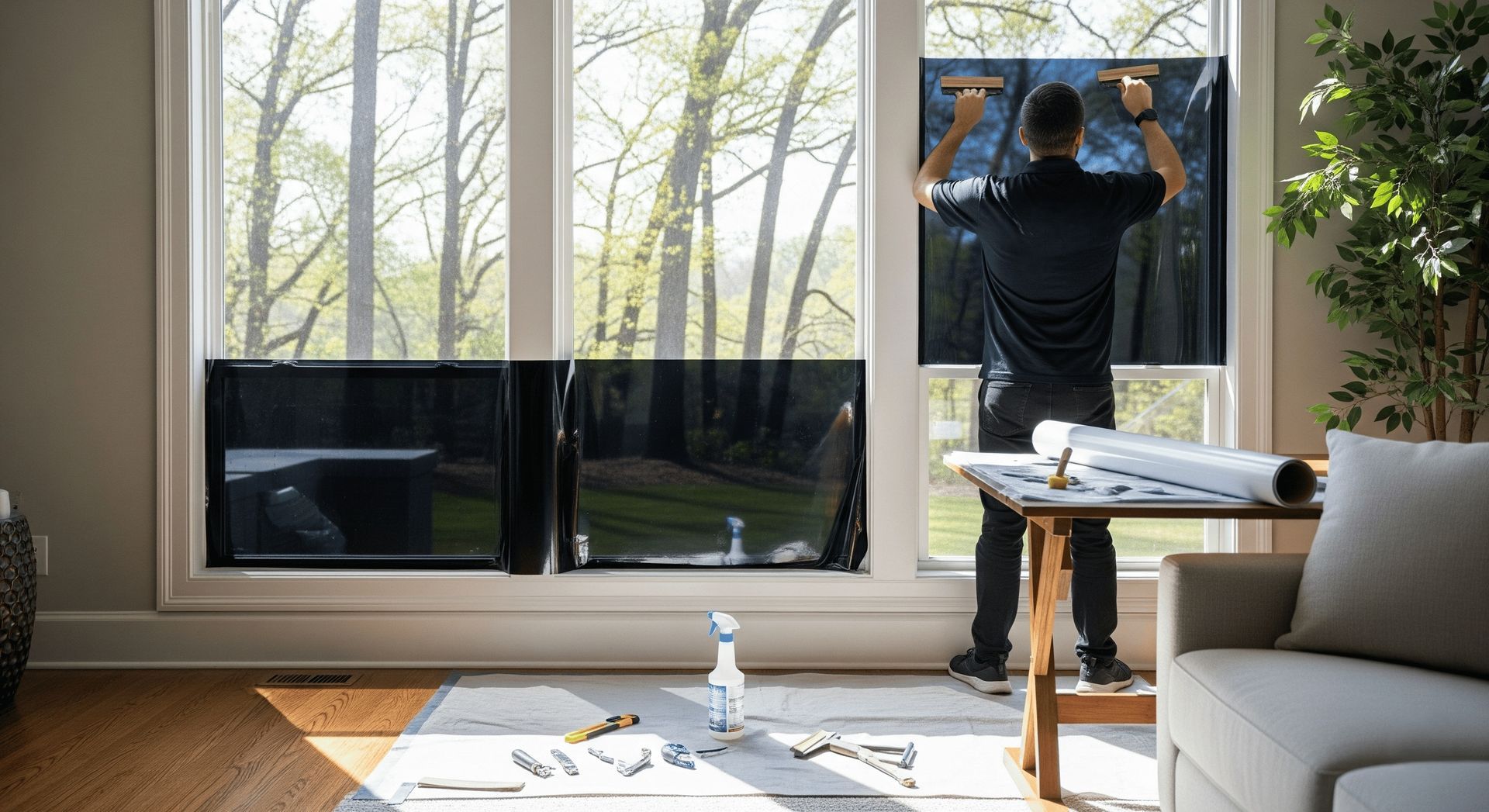
For most drivers, professional installation is the better choice. Film quality, fit, and application all affect long-term results, and poor installation can undermine even a good film product.
How do I decide between carbon and ceramic tint for my specific vehicle?
Start with your budget, how long you plan to keep the vehicle, how much heat bothers you, and whether signal-friendly technology matters. If long-term comfort and performance are top priorities, ceramic is usually the stronger choice.
Conclusion
For most daily drivers in Rome, GA and throughout Floyd County, ceramic tint is generally the stronger long-term investment. It usually delivers better heat rejection, strong comfort benefits during daily commuting, excellent signal compatibility, and long-term durability that can make the higher upfront cost worthwhile. Carbon tint remains a solid budget option for drivers who want a meaningful upgrade without paying for premium-level performance, but it usually does not match ceramic when heat control and long-term value are the top priorities.
If you are comparing carbon vs ceramic tint and want help choosing the right fit for your vehicle, Trim Ideas can help you review LLumar auto window tint options, including LLumar CTX ceramic tint, LLumar IRX ceramic tint, and LLumar ATC series solutions. Contact Trim Ideas for a free estimate and get expert guidance on the best window tint for your daily driving needs in Rome, GA and across Floyd County.