Can Ceramic Window Tint Protect Home Furniture from UV? A Rome, GA Homeowner's Guide
If you've noticed your sofa fading unevenly, your hardwood floors turning a different shade near the windows, or your favorite armchair looking sun-bleached compared to the rest of the room, the culprit is almost always UV exposure through untreated glass. It's one of the most common — and most preventable — forms of home damage in Georgia, where long, sun-heavy summers put furniture, flooring, and artwork through years of cumulative sun damage in a matter of seasons.
The good news: yes, ceramic window tint can protect home furniture from UV damage, and it does so extremely effectively. Residential window films, including ceramic and other high-performance options, block up to 99% of ultraviolet rays before they ever reach your fabrics, floors, and finishes. Below, we'll explain how UV fading actually happens, what kind of protection window film provides, and what Rome and Floyd County homeowners should know before choosing a film for their windows.
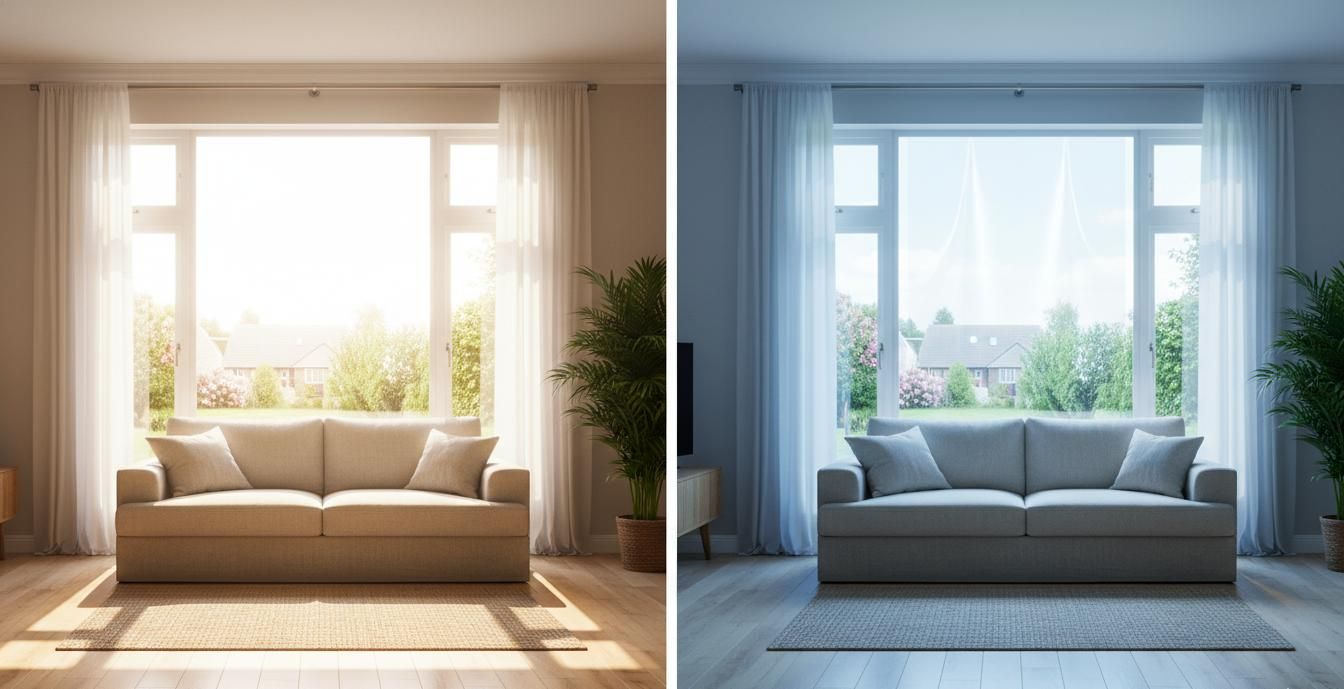
Why Does Sunlight Fade Furniture in the First Place?
Fading isn't caused by heat alone — it's a chemical reaction. When UV radiation hits fabric dyes, wood finishes, or artwork pigments, it breaks down the molecular bonds that give those materials their color. Over time, this shows up as bleached fabric, cracked leather, warped wood, and artwork that looks noticeably duller than it did when it was new.
The Three Culprits Behind Sun Damage
Fading isn't caused by a single factor — it's the combination of three types of solar energy passing through your glass:
- Ultraviolet (UV) light — invisible rays that cause the majority of color fading and material breakdown, even on cloudy days.
- Visible light — the light you see, which also contributes to fading over time, especially on fabrics and photographs.
- Infrared heat — the warmth you feel from the sun, which can accelerate the drying and cracking of wood, leather, and finishes.
Why This Matters for Georgia Homes
Rome and the surrounding Floyd County area see strong, direct sun exposure for much of the year, and most standard residential glass does very little to filter any of these three factors. Ordinary window glass blocks only a small portion of UV rays, which means furniture near south- and west-facing windows is especially vulnerable to fading, cracking, and discoloration.
How Much UV Protection Does Window Film Actually Provide?
This is where residential window film — including ceramic film — makes a measurable difference. High-performance films are engineered to filter out the majority of UV radiation while still allowing natural light into the room, so you don't have to choose between a sunlit home and protected furnishings
Professionally installed residential window film typically blocks more than 99% of UV rays, which directly slows the fading process on fabrics, carpets, hardwood floors, and window treatments. Because UV damage is cumulative, cutting off nearly all UV exposure now has a compounding protective effect over the years you own your home.
It's worth noting that window film reduces fading risk significantly, but it doesn't eliminate it entirely — visible light and heat still contribute a smaller share of fading, and very sun-sensitive materials (like some dyed fabrics or fine art) may still benefit from additional precautions like curtains or furniture placement. Even so, removing the dominant UV factor from the equation is the single most effective step a homeowner can take.
Ceramic Film vs. Other Residential Window Film Types
Not every residential window film performs the same way, and homeowners researching furniture protection often want to know how ceramic compares to other common film categories.
| Film Type | UV Rejection | Heat Rejection | Visible Light Impact | Best For |
|---|---|---|---|---|
| Standard dyed film | Moderate-High | Low | Noticeably darker | Basic privacy, budget projects |
| Reflective/metalized film | High | Moderate-High | Can look mirrored | Heat control on a budget |
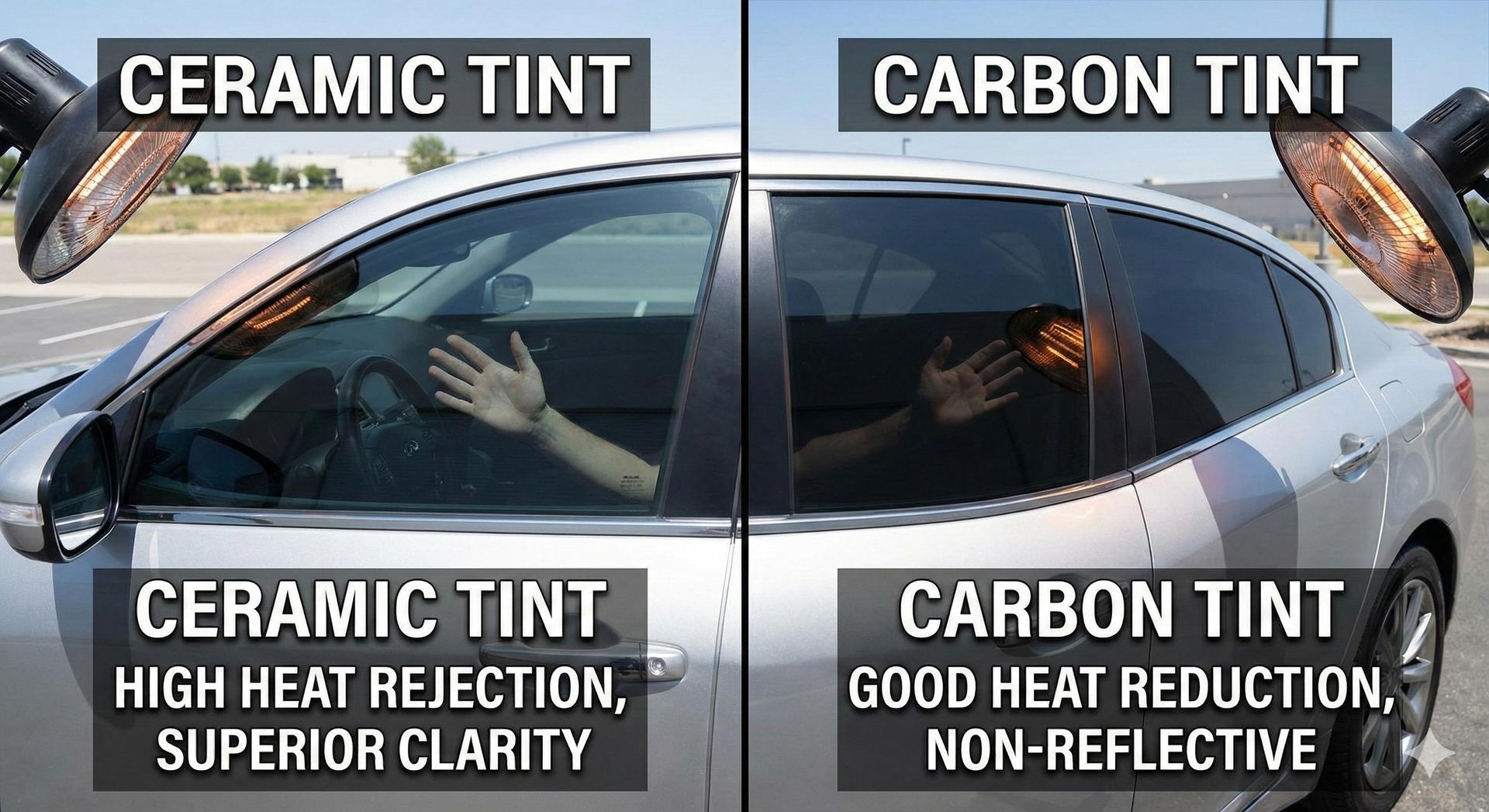
| Ceramic/solar control film | Very High (up to 99%) | High | Minimal visible darkening | Furniture protection + comfort without changing the look of your home |
The advantage of ceramic and other solar-control film technologies is that they deliver strong UV and heat rejection without significantly darkening your windows or giving them a reflective, mirrored appearance. That matters for furniture protection specifically, because homeowners often want to keep their rooms bright and naturally lit while still shielding interiors from sun damage — something ceramic-style film is particularly good at balancing.
What Else Does Residential Window Film Protect Against?
While UV-driven fading is the headline benefit for furniture, high-performance residential film addresses several related problems at the same time, which is part of why it's such a practical investment for Georgia homeowners.
| Benefit | How It Helps Protect Your Home |
|---|---|
| UV blocking | Slows fading of fabrics, wood floors, artwork, and window treatments |
| Heat rejection | Reduces the drying/cracking effect of prolonged heat on wood and leather |
| Glare reduction | Cuts glare by a significant margin, protecting screens and reducing squinting near windows |
| Energy savings | Lowers cooling costs by reducing solar heat gain through glass |
| Safety and security film | Helps hold shattered glass together during storms or impact, adding an extra layer of protection |
Because roughly a third of a home's heating and cooling costs can be lost through untreated windows, many Rome-area homeowners find that the energy savings alone help offset the cost of window film — with furniture and flooring protection as a substantial added benefit.
What to Expect from a Residential Window Film Installation
If you're considering window film specifically to protect furniture, flooring, or artwork from sun damage, here's what the process generally looks like:
- In-home or virtual consultation. A film specialist reviews which windows get the most direct sun exposure — usually south- and west-facing rooms — and identifies which furnishings are most at risk.
- Film selection. You'll choose a film based on your priorities: maximum UV/heat rejection, minimal visible darkening, added privacy, or a combination. Solar control and ceramic-style films are popular choices when the goal is furniture protection without changing the room's appearance.
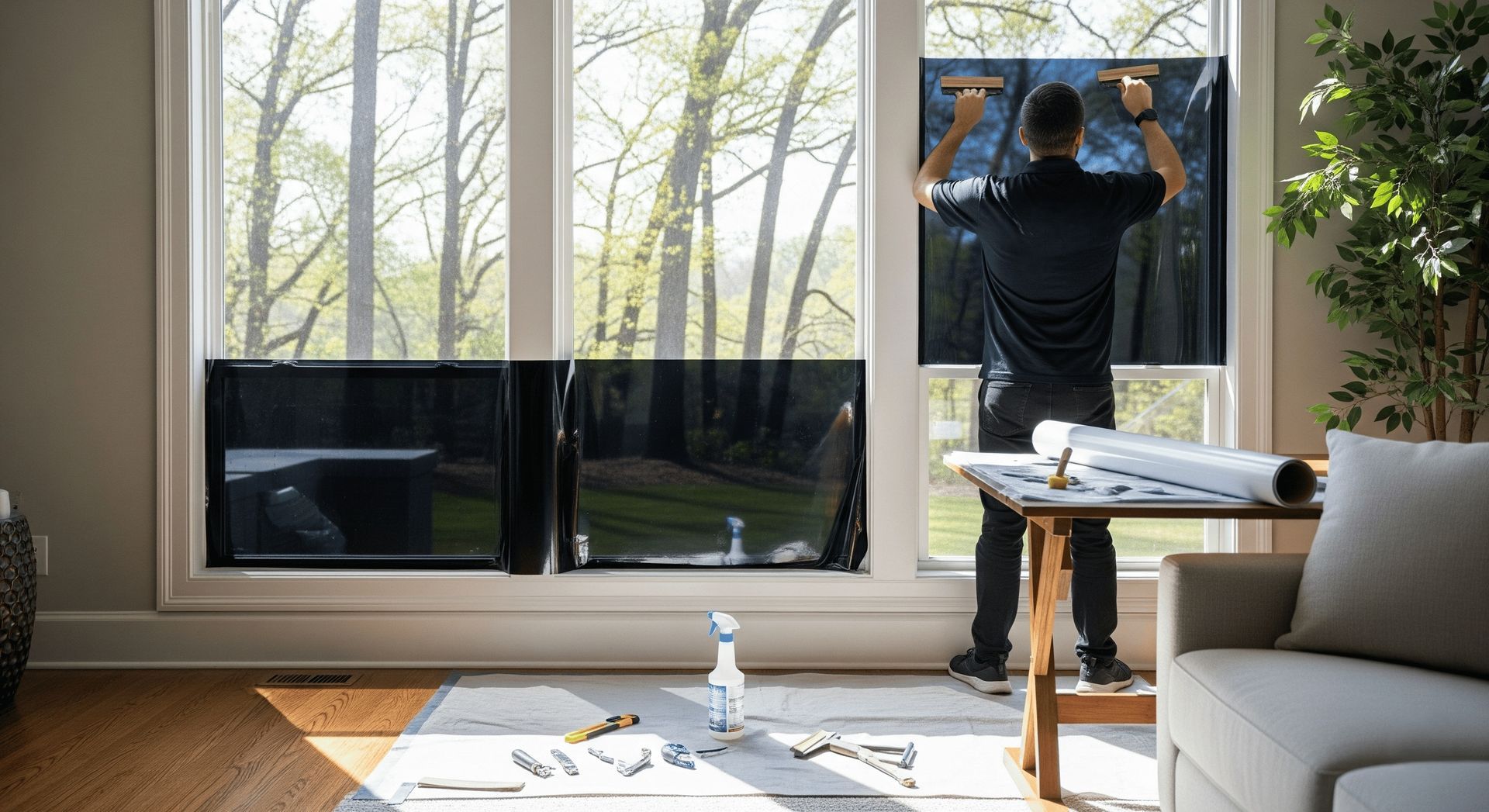
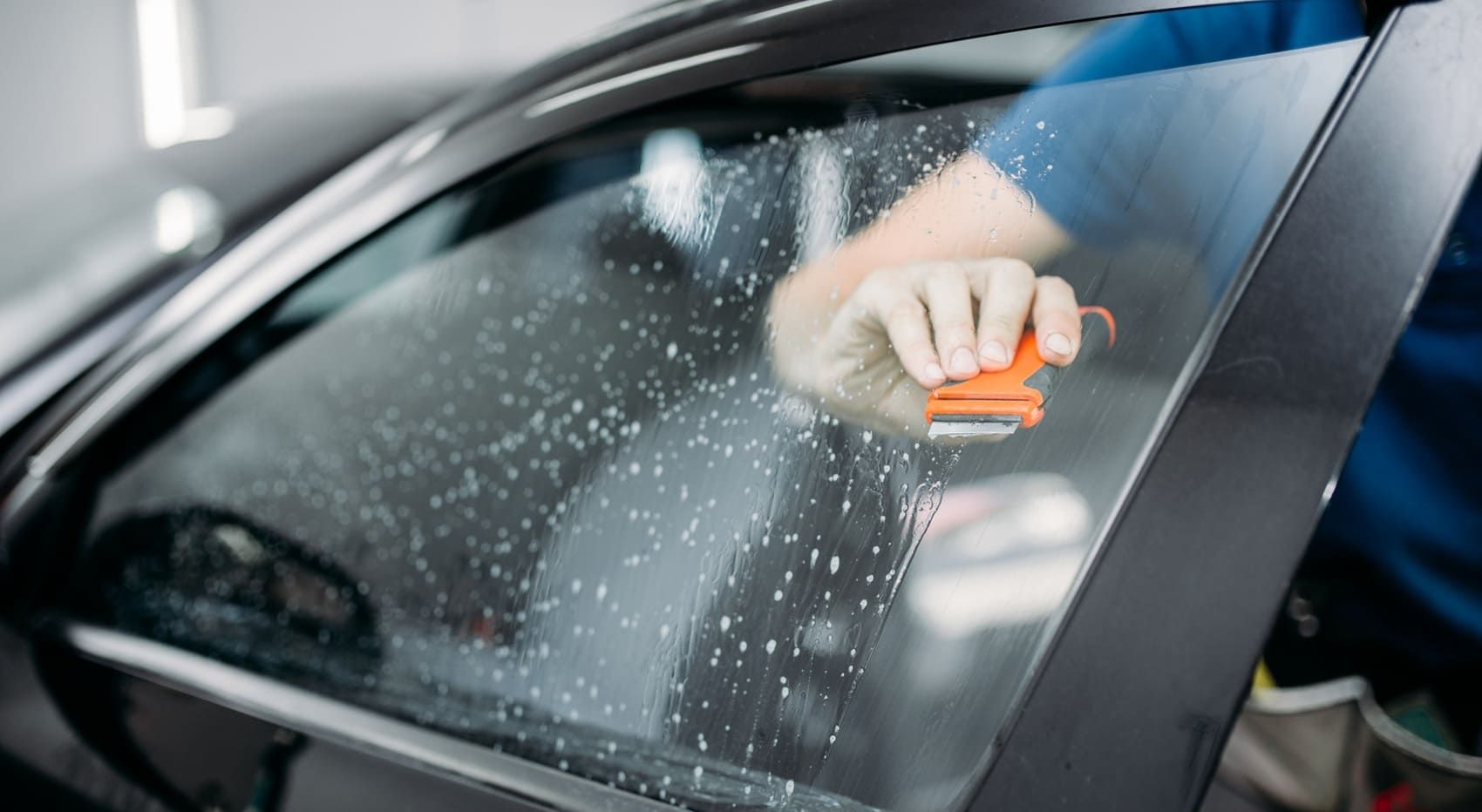
- Surface preparation. Windows are thoroughly cleaned to ensure the film adheres properly and cures without trapped debris.
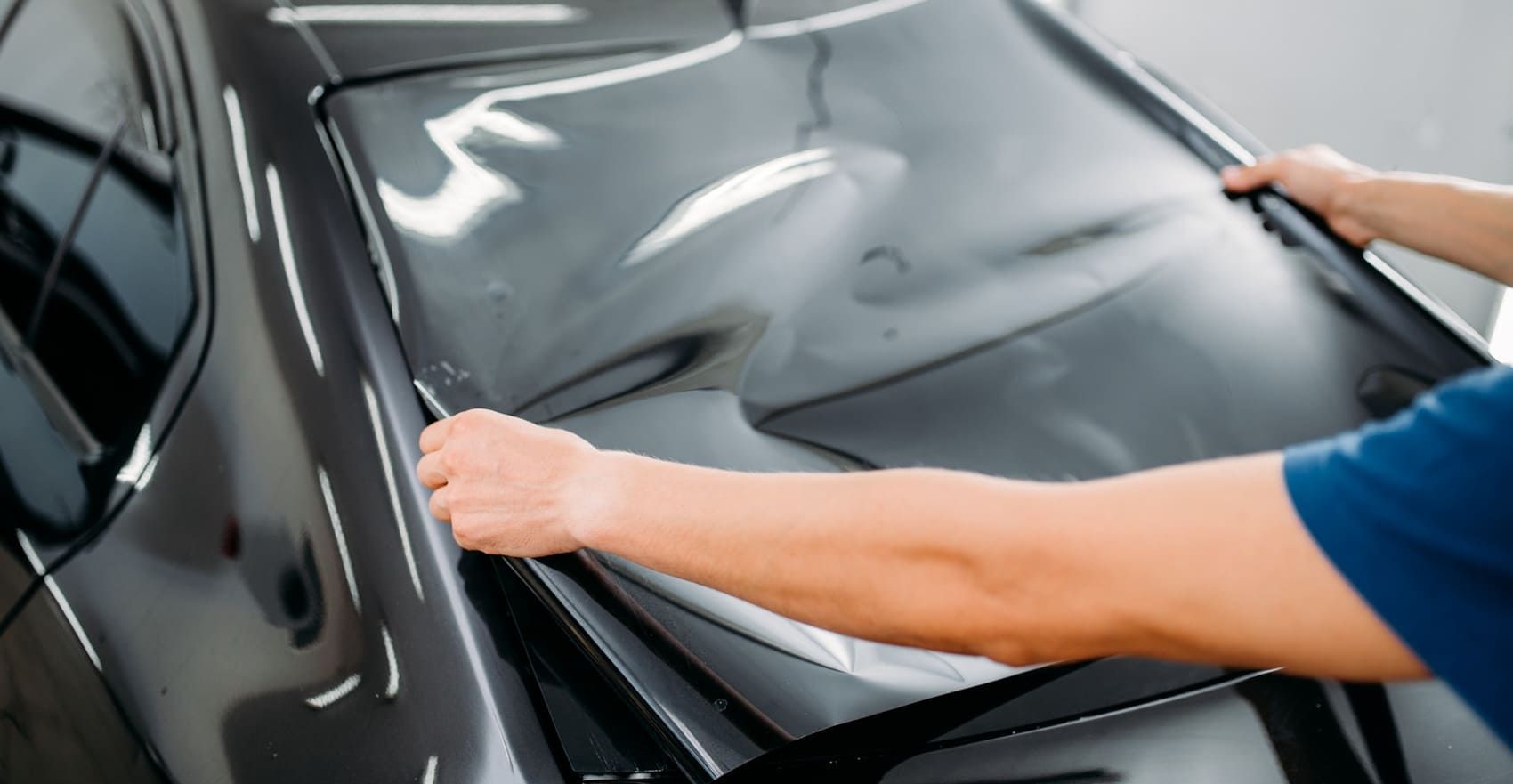
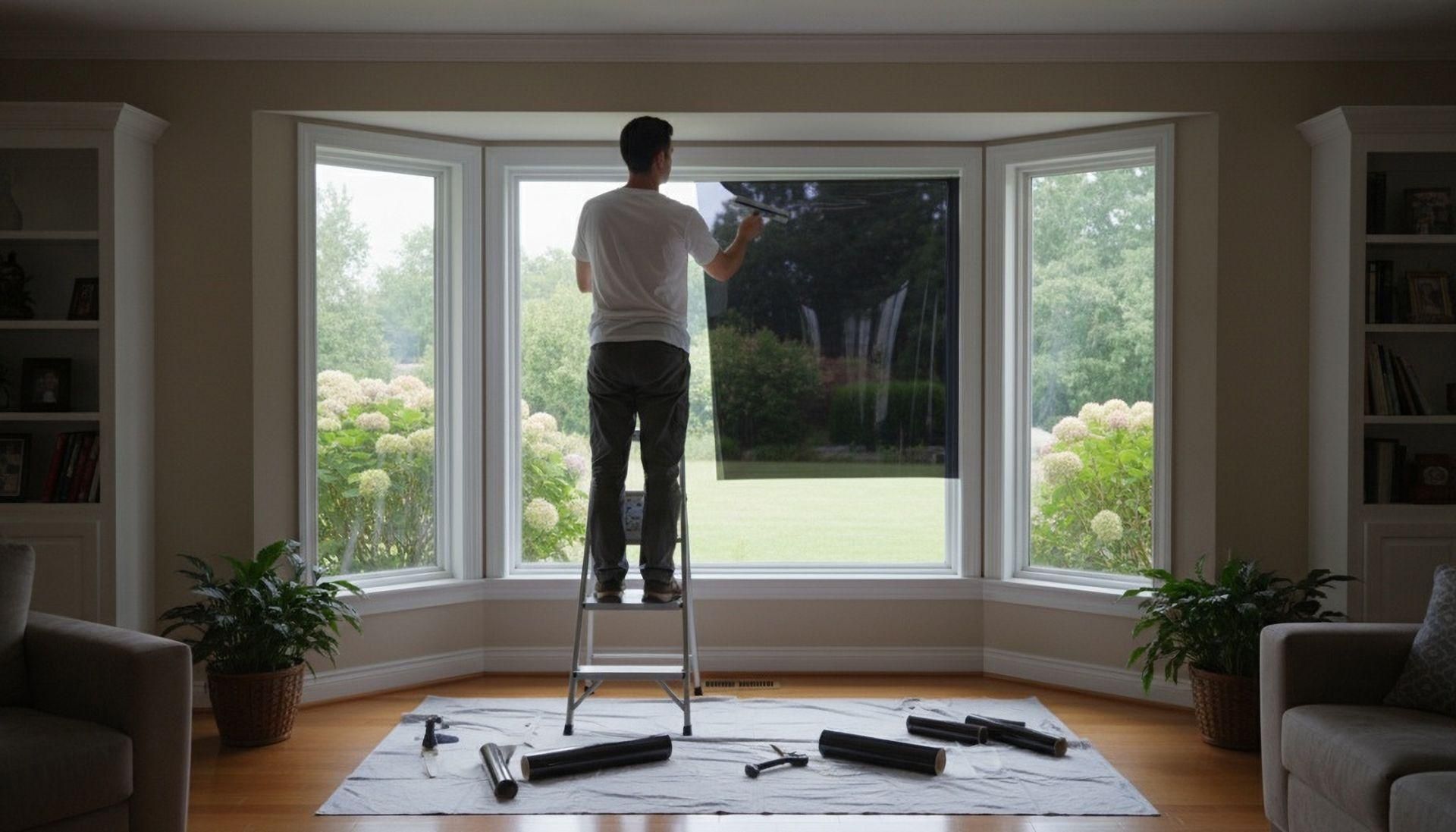
- Professional application. Film is cut to size and applied using a squeegee-and-solution process that removes air bubbles and ensures a clean, edge-to-edge finish.
- Curing period. Residential film typically needs several days to fully cure and bond to the glass, during which slight haziness or small water bubbles are normal and will clear on their own.
Is Window Film Worth It for Furniture Protection Alone?
For many homeowners, furniture and flooring replacement costs far exceed the price of window film. Refinishing hardwood floors, reupholstering furniture, or replacing faded window treatments can run into the thousands of dollars — and that's before factoring in sentimental pieces like antiques or artwork that simply can't be replaced.
Because UV damage is progressive and irreversible once it occurs, window film functions as preventative protection rather than a fix after the fact. Combined with the added benefits of energy savings, glare reduction, and (with safety and security film options) protection during severe weather, residential window film tends to pay for itself in avoided replacement and repair costs over time — while also making rooms more comfortable to actually use.
Frequently Asked Questions About Ceramic Window Tint and Furniture Protection
Does ceramic window tint really stop furniture from fading?
Yes. Ceramic and other high-performance residential films block up to 99% of UV rays, which is the primary cause of fading in fabrics, wood floors, and artwork. It won't reverse existing fading, but it dramatically slows future damage.
Will window film make my house too dark?
Not necessarily. Ceramic and solar control films are specifically designed to reject UV and heat while keeping visible light transmission high, so most homeowners see little to no noticeable darkening compared to reflective or heavily dyed films.
Does window film protect furniture on cloudy days too?
Yes. UV rays pass through cloud cover, so windows without film continue exposing furniture to UV radiation even on overcast days. Film provides consistent protection regardless of weather.
How long does residential window film last?
Quality residential films are built for long-term performance and, when professionally installed, are designed to last for many years without peeling, bubbling, or losing their UV-blocking properties.
Can window film protect artwork and antiques as well as furniture?
Yes. Fine art, antiques, and wood finishes are just as vulnerable to UV-driven fading and deterioration as fabric and flooring, and window film provides the same protective UV barrier for these items.
Does window film help with energy bills, or is it just for furniture protection?
Both. Because windows are responsible for a significant share of a home's heating and cooling loss, film that blocks heat and UV also reduces cooling costs — making it a dual-purpose investment beyond furniture protection alone.
Protect Your Home's Interior with Professional Window Film in Rome, GA
If sun-faded furniture, flooring, or artwork is a concern in your home, professionally installed residential window film is one of the most effective and affordable ways to stop the damage before it gets worse. Trim Ideas, located at 218 W 10th St in Rome, GA, is an Authorized LLumar Film Dealer serving homeowners throughout Rome and Floyd County with residential window tinting solutions designed for UV protection, energy savings, and comfort — all backed by professional installation. Contact Trim Ideas for a free residential window tinting estimate and find out which film option best protects the furnishings, floors, and finishes you've invested in.