What Windshield Tint Options Are Legal in Georgia in 2026?
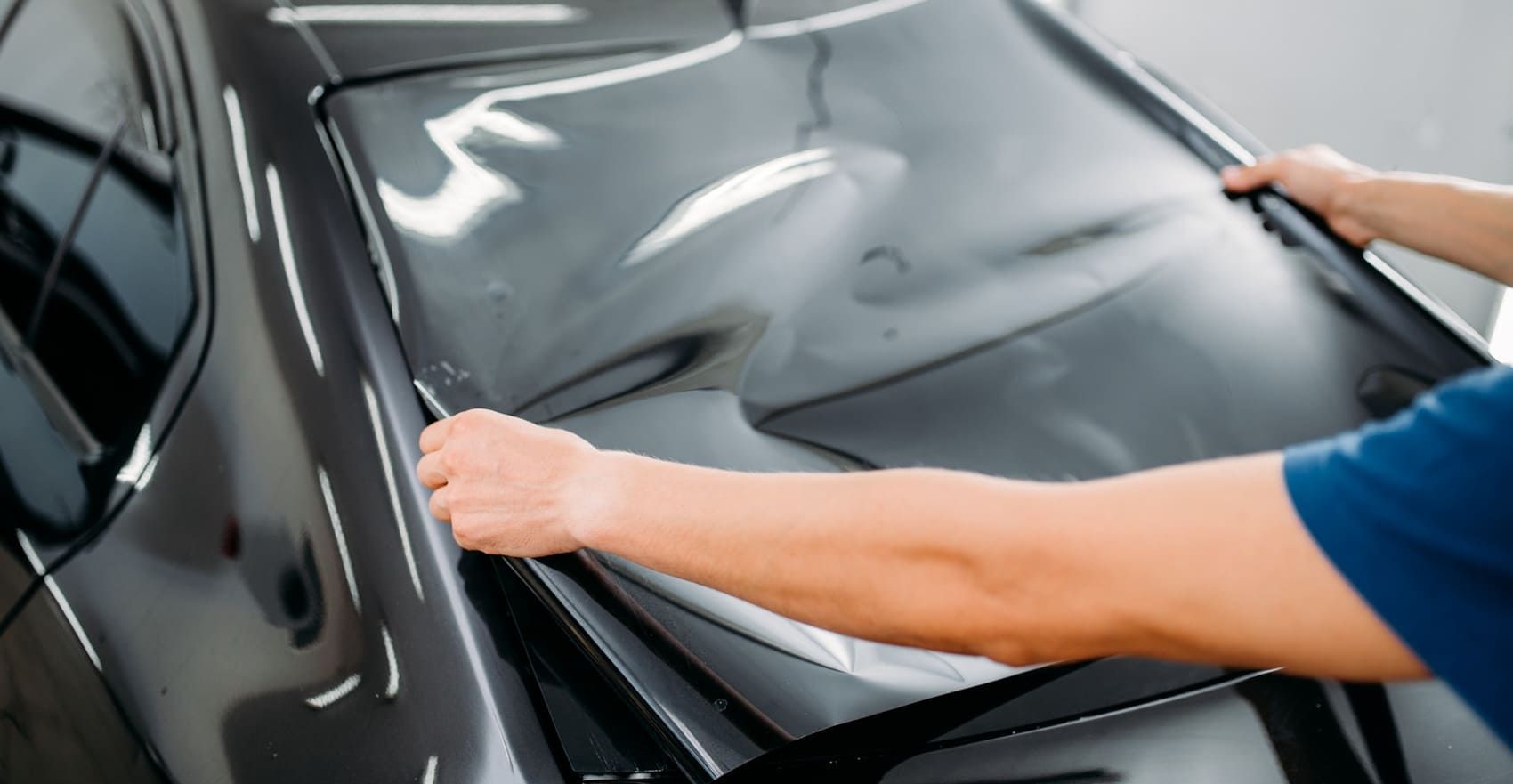
Windshield tinting is one of the most misunderstood parts of Georgia auto tint law. Many drivers in Rome, Floyd County, and surrounding Northwest Georgia communities assume they can tint the entire windshield the same way they tint side and rear windows, only to discover that Georgia law places much stricter limits on what can be applied to the front windshield. That misunderstanding causes real problems. Many vehicle owners do not realize there is a major legal difference between a legal windshield tint strip and illegal full windshield tinting until they are pulled over or warned during an inspection or traffic stop. In 2026, understanding exactly what Georgia law allows for windshield film is essential before making any tinting decision. The good news is that while full dark windshield tinting is not permitted under Georgia law, there are legal options that can still improve comfort, reduce glare, and add protection, including a legal non-reflective tint strip and clear heat-rejection films that do not create the same legal risk as dark windshield tint.

Table of Contents
- What Does Georgia Law Say About Windshield Tinting in 2026?
- What Is a Legal Windshield Tint Strip and How Far Down Can It Go in Georgia?
- What Is the Difference Between Legal Windshield Tint and Illegal Windshield Tinting in GA?
- What Film Options Are Legal for the Windshield in Georgia in 2026?
- Clear Heat-Rejection and UV-Blocking Windshield Films: A Legal Alternative for Georgia Drivers
- What Are the Full Georgia Auto Tint Laws for Front, Rear, and Side Windows in 2026?
- What Happens If You Get Caught With Illegal Windshield Tint in Georgia?
- FAQ
- Conclusion
What Does Georgia Law Say About Windshield Tinting in 2026?
The short answer is simple. Full dark windshield tinting is not legal in Georgia. Georgia law allows only limited tinting at the windshield, and that is where many drivers get confused.
The windshield is treated differently than other windows
Under windshield tint laws Georgia 2026 drivers need to know that the front windshield is not treated like the front side windows, rear side windows, or rear glass. Georgia law is designed to preserve driver visibility through the windshield, especially at night, in rain, and in changing light conditions. That is why the law focuses on keeping most of the windshield clear while allowing only limited coverage in a specific area.
For most drivers, the legal windshield tint discussion comes down to two categories. First, there is the legal non-reflective tint strip at the top of the windshield. Second, there may be clear windshield film Georgia drivers ask about when they want UV protection and heat reduction without adding a dark appearance. What is not allowed is applying a dark tint film across the entire windshield in the same way some drivers tint their side windows.
Why this question matters so much in Georgia
Georgia roads bring bright sun, long summers, glare, and heavy commuting conditions. Drivers in Rome, Cartersville, Calhoun, Cedartown, Dalton, Canton, Rockmart, Adairsville, Summerville, and surrounding Floyd County, Polk County, Bartow County, and Gordon County areas want relief from heat and sun exposure. That is why so many people search is windshield tinting legal in Georgia and Georgia auto tint laws 2026 before booking an appointment.
The safest approach is to understand the law first, then choose a film setup that improves comfort without risking a citation.
What Is a Legal Windshield Tint Strip and How Far Down Can It Go in Georgia?
A legal windshield tint strip in Georgia is a non-reflective strip applied only to the top portion of the windshield. It is intended to cut glare from overhead sunlight without materially reducing the driver's main field of view.
How far down can a windshield tint strip go in Georgia?
In Georgia, the legal windshield tint strip can extend down to six inches from the top of the windshield. This is the rule most drivers are trying to confirm when they search legal windshield tint strip Georgia or window tinting laws Rome GA.
That measurement matters. A strip that extends lower than allowed can turn a legal installation into a non-compliant one. The strip also needs to be non-reflective. In other words, it should not create a mirrored or highly reflective surface that conflicts with Georgia requirements.
Why the top strip is allowed
The legal strip is meant to reduce harsh sunlight from above, especially during early morning and late afternoon driving. In real world use, it can help with sun glare without changing the legality of the full windshield area below it. For many Rome area drivers, that strip is enough to improve daytime comfort when paired with a compliant tint setup on the rest of the vehicle.
The most important point is that the strip is not the same as full windshield tint. One is allowed within strict limits. The other creates legal risk.
What Is the Difference Between Legal Windshield Tint and Illegal Windshield Tinting in GA?
The difference is straightforward. Legal windshield tint in Georgia is limited and specific. Illegal windshield tinting usually means dark film covering more of the windshield than Georgia law allows.
Legal windshield tint in Georgia
Legal windshield tint generally means one of the following:
- A non-reflective tint strip at the top of the windshield that does not extend more than six inches down
- A compliant clear film intended for UV protection or heat rejection that does not create an unlawful darkened windshield appearance
Illegal windshield tint in Georgia
Illegal windshield tinting usually includes:
- Dark film applied across the full windshield
- A tint strip that extends too far downward
- Reflective film that creates a mirrored effect
- Any windshield setup that reduces visibility in a way Georgia law does not allow
Why drivers get confused
Most confusion happens because people compare what they see online or on vehicles from other states and assume the same setup is legal in Georgia. It may not be. Georgia has its own standards, and the windshield is the most sensitive window position from a legal standpoint.
That is why Rome drivers should avoid guessing. If your goal is a cooler cabin and reduced glare, there are legal alternatives that can deliver meaningful benefits without crossing the line into illegal full windshield tinting.
What Film Options Are Legal for the Windshield in Georgia in 2026?
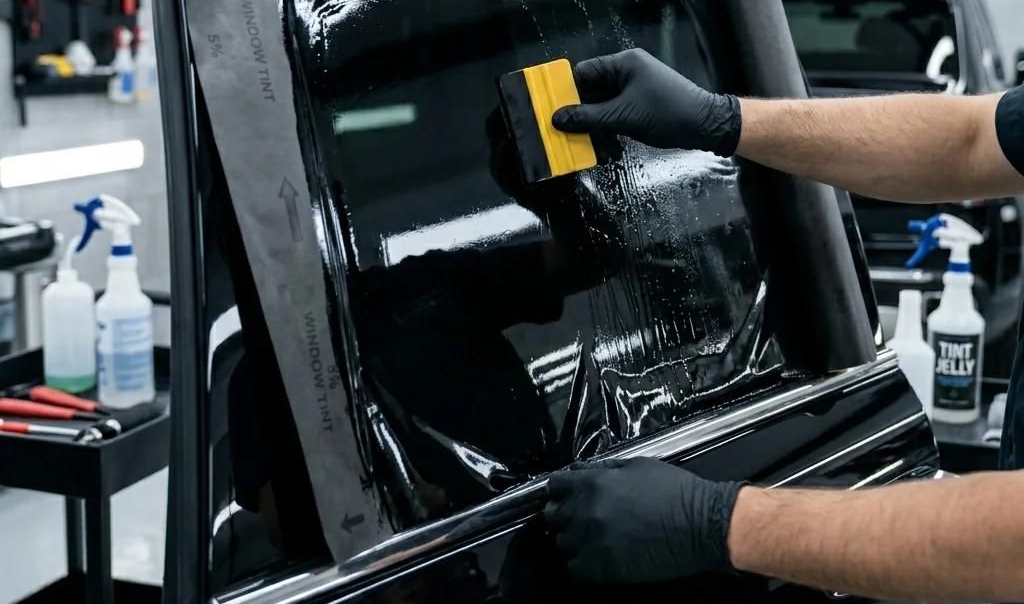
Georgia drivers who want windshield protection do have options. The right choice depends on whether your main concern is glare, UV exposure, heat, or strict legal simplicity.
Main legal windshield film options
For most drivers, the legal options fall into three categories:
- Non-reflective tint strip only
- Clear heat-rejecting and UV-blocking windshield film
- No film at all
Each option serves a different purpose. A tint strip mainly helps with overhead glare. A clear film may help support comfort and UV protection while preserving visibility. No film avoids any added material on the windshield but also provides the least added protection from sun and heat.
Georgia tint law comparison by window position
| Window Position | Georgia Legal VLT Requirement in 2026 | Is Tint Film Permitted? | Is Non-Reflective Tint Strip Permitted? | Reflectivity Limits | Is Clear UV or Heat-Rejection Film Legal? | Penalty Risk for Non-Compliance | Recommended LLumar Film Option |
|---|---|---|---|---|---|---|---|
| Windshield | Full dark tint not permitted across main viewing area | Limited | Yes, up to 6 inches from top | Must be non-reflective in allowed area | Yes, when compliant and non-darkening | High if dark or non-compliant film is installed | LLumar Air Series or legal non-reflective strip |
| Front Side Windows | Must allow more than 32% VLT, with standard tolerance considerations | Yes | Not applicable | Reflective finishes are restricted | Yes | Moderate to high if film is too dark or too reflective | LLumar CTX, IRX, or ATC in legal shade |
| Rear Side Windows | Must generally remain within Georgia legal limits for passenger vehicles | Yes | Not applicable | Reflective finishes are restricted | Yes | Moderate if non-compliant film is used | LLumar CTX, IRX, or ATC in legal shade |
| Rear Window | Must generally remain within Georgia legal limits and visibility requirements | Yes | Not applicable | Reflective finishes are restricted | Yes | Moderate if film is too dark or otherwise non-compliant | LLumar CTX, IRX, ATC, or Air depending on goal |
Drivers should always confirm current compliance for their exact vehicle type and intended shade before installation.
Clear Heat-Rejection and UV-Blocking Windshield Films: A Legal Alternative for Georgia Drivers
For many local drivers, the smartest legal windshield solution is not a dark film at all. It is a clear film designed to reduce UV exposure and improve comfort without giving the windshield a visibly dark appearance.
Why clear windshield film matters in Georgia
Northwest Georgia summers are hot, bright, and humid. Drivers who spend time on Highway 27, Highway 411, Interstate routes, or daily city roads in Rome often want less cabin heat but do not want to take legal risks with dark windshield tint. That is where LLumar Air Series clear windshield film Georgia drivers ask about becomes especially relevant.
LLumar Air Series is positioned as the ideal legal windshield film solution for drivers who want meaningful UV protection and added heat rejection without the look of a dark tinted windshield. It is also a practical fit for drivers who care about optical clarity and want to preserve a natural view through the glass.
Legal windshield option comparison for Rome and Northwest Georgia drivers
| Option | Heat Rejection Capability | UV Protection | Legal Compliance Under Georgia Law | Glare Reduction | Optical Clarity Impact | Available at Trim Ideas |
|---|---|---|---|---|---|---|
| Non-Reflective Tint Strip Only | Limited overall heat reduction | Limited to covered area | Yes, when kept within 6 inches and non-reflective | Good for overhead sunlight | Minimal impact below strip area | Yes |
| LLumar Air Series Clear Windshield Film | Meaningful comfort and heat control benefits without dark appearance | Strong UV-blocking support | Intended as a legal clear windshield film option when properly selected and installed | Moderate improvement depending on conditions | Designed for high optical clarity | Yes |
| No Film | No added protection | No added UV film protection | Yes | No added glare reduction | No change | Not applicable |
For many Rome and Northwest Georgia drivers, clear windshield film is the best balance of legal compliance and everyday comfort. It gives drivers a real alternative to illegal full windshield tinting.
What Are the Full Georgia Auto Tint Laws for Front, Rear, and Side Windows in 2026?
Windshield rules are only part of the larger Georgia tint picture. Drivers also need to understand how the rest of the vehicle is regulated so the complete tint package stays compliant.
Front side windows
Georgia auto tint laws 2026 generally require front side windows to allow more than 32 percent visible light transmission, subject to normal measurement tolerance. This is the limit many drivers think about first because front side windows are one of the most commonly checked positions during enforcement.
Rear side windows and rear window
Rear side windows and the rear window also need to stay within Georgia requirements for the applicable vehicle type. Because legal details can depend on the vehicle and configuration, professional guidance matters. A compliant tint setup should be selected as a complete package, not as a series of guesses window by window.
Reflectivity rules also matter
Drivers often focus only on darkness, but reflectivity is another legal issue. Highly reflective or mirrored finishes can create compliance problems even when a film does not appear extremely dark. That is why working with a professional installer who understands both VLT and reflectivity limits is important.
At Trim Ideas in Rome, customers can be guided through legal options across the full LLumar lineup, including IRX Series, CTX Series, ATC Series, and Air Series, so every window on the vehicle can be addressed with compliance in mind.
What Happens If You Get Caught With Illegal Windshield Tint in Georgia?
If you are caught with illegal windshield tint in Georgia, you may be cited and required to correct the issue. The exact outcome can depend on the situation, but the inconvenience alone is enough reason to avoid a non-compliant installation.
Possible consequences of illegal windshield tint
Drivers may face:
- A traffic stop or citation
- Orders or pressure to remove non-compliant film
- Added expense from paying to redo the windshield correctly
- Extra inconvenience if the issue delays other vehicle-related processes
Why prevention is cheaper than correction
The real cost of illegal windshield tint is not just a possible fine. It is paying twice. A driver may spend money on a non-compliant install, then spend more to remove it and replace it with a legal option.
That is why honest, pressure-free guidance matters. Drivers in Rome and throughout Northwest Georgia are better served by choosing a legal windshield tint strip Georgia setup or a clear windshield film Georgia option that protects the vehicle and avoids unnecessary legal exposure.
FAQ
Is windshield tinting legal in Georgia in 2026?
Only limited windshield tinting is legal. Georgia allows a non-reflective strip at the top of the windshield, but full dark windshield tinting is not legal.
How far down can a windshield tint strip go in Georgia?
It can generally extend up to six inches from the top of the windshield, provided it is non-reflective.
What is the darkest legal tint for front side windows in Georgia?
Georgia law generally requires front side windows to allow more than 32 percent visible light transmission, subject to normal tolerance considerations.
Can I put a clear UV film on my windshield in Georgia without breaking the law?
A compliant clear film may be a legal option when it does not create an unlawfully dark or reflective windshield appearance. Professional guidance is the safest way to confirm the right product choice.
What happens if I get pulled over for illegal windshield tint in Georgia?
You may receive a citation and may need to remove the non-compliant film. The exact result can vary, but it creates avoidable cost and inconvenience.
Does the LLumar Air Series clear film block UV and heat without darkening my windshield?
LLumar Air Series is designed as a clear windshield film option that supports UV protection and comfort without the dark look of traditional windshield tint.
What is the legal tint limit for rear windows in Georgia in 2026?
Rear window compliance depends on the vehicle and the specific setup. A professional installer should help confirm the correct legal range for your vehicle.
Can I get a medical exemption for darker windshield tint in Georgia?
Drivers who believe they may qualify should confirm current Georgia rules and documentation requirements before making any tint decision.
How do I know if my current windshield tint is legal in Georgia?
If the windshield has dark film across the main viewing area, it may not be legal. A professional tint shop can help assess whether the current setup appears compliant.
Does Trim Ideas in Rome, GA install legal windshield tint strips and clear windshield films?
Yes. Trim Ideas offers legal windshield film solutions, including non-reflective tint strip options and LLumar Air Series clear film guidance and installation.
Conclusion
In 2026, Georgia law allows only limited tinting on the front windshield. The key distinction every Rome and Northwest Georgia driver needs to understand is the difference between a legal non-reflective windshield tint strip and illegal full windshield tinting. That one detail is where many costly mistakes begin.
For drivers who want meaningful windshield protection without risking a citation, a legal strip or a clear solution such as LLumar Air Series is often the smartest path. It offers a practical way to reduce glare, support UV protection, and improve comfort while keeping the windshield within the bounds of Georgia law.
That is why working with an experienced local shop matters. Trim Ideas is Rome's number one locally trusted window tinting and graphics company, located at 218 W 10th St in Rome, Georgia, and serving drivers throughout Rome, Cartersville, Calhoun, Cedartown, Dalton, and the greater Northwest Georgia area. As an authorized LLumar Film Dealer, Trim Ideas offers the full LLumar auto lineup including IRX Series, CTX Series, ATC Series, and Air Series, along with honest guidance from owner Matt, who is known locally for fair pricing, clear answers, and helping every customer make a legally compliant tinting decision without pressure. To get expert help with legal windshield tint options and full vehicle window tinting, call (706) 290-3401 or request a free estimate online at trimideastint.com.