Which Window Tint Is Best for Storefront Privacy and Heat? A Guide for Rome & Floyd County Businesses
For most storefronts, the best window tint is a combination of films rather than one product. A reflective or dual-reflective solar film gives the strongest mix of daytime privacy and heat rejection. Where customers need to see inside, a neutral or ceramic film controls heat while keeping merchandise visible. Frosted, gradient, or custom decorative film is the best choice wherever you need privacy around the clock, like offices, break rooms, and treatment rooms. The right answer depends on what your business needs to show, what it needs to hide, and when.
If you own a shop on Broad Street, a salon in West Rome, an office in Lindale, or a restaurant in Cave Spring, your front windows are working against you and for you at the same time. They bring in customers and natural light. They also let in afternoon heat that overworks your AC, glare that washes out screens, UV that fades merchandise, and a direct view into spaces you'd rather keep private.
This guide breaks down which window tints actually solve storefront privacy and heat problems, how each film type behaves day and night, and how to match film to each part of your space. Trim Ideas is an Authorized LLumar Film Dealer in Rome, Georgia, and we also design vinyl signs and graphics. So we'll also cover how to turn your windows into branding while you're at it.
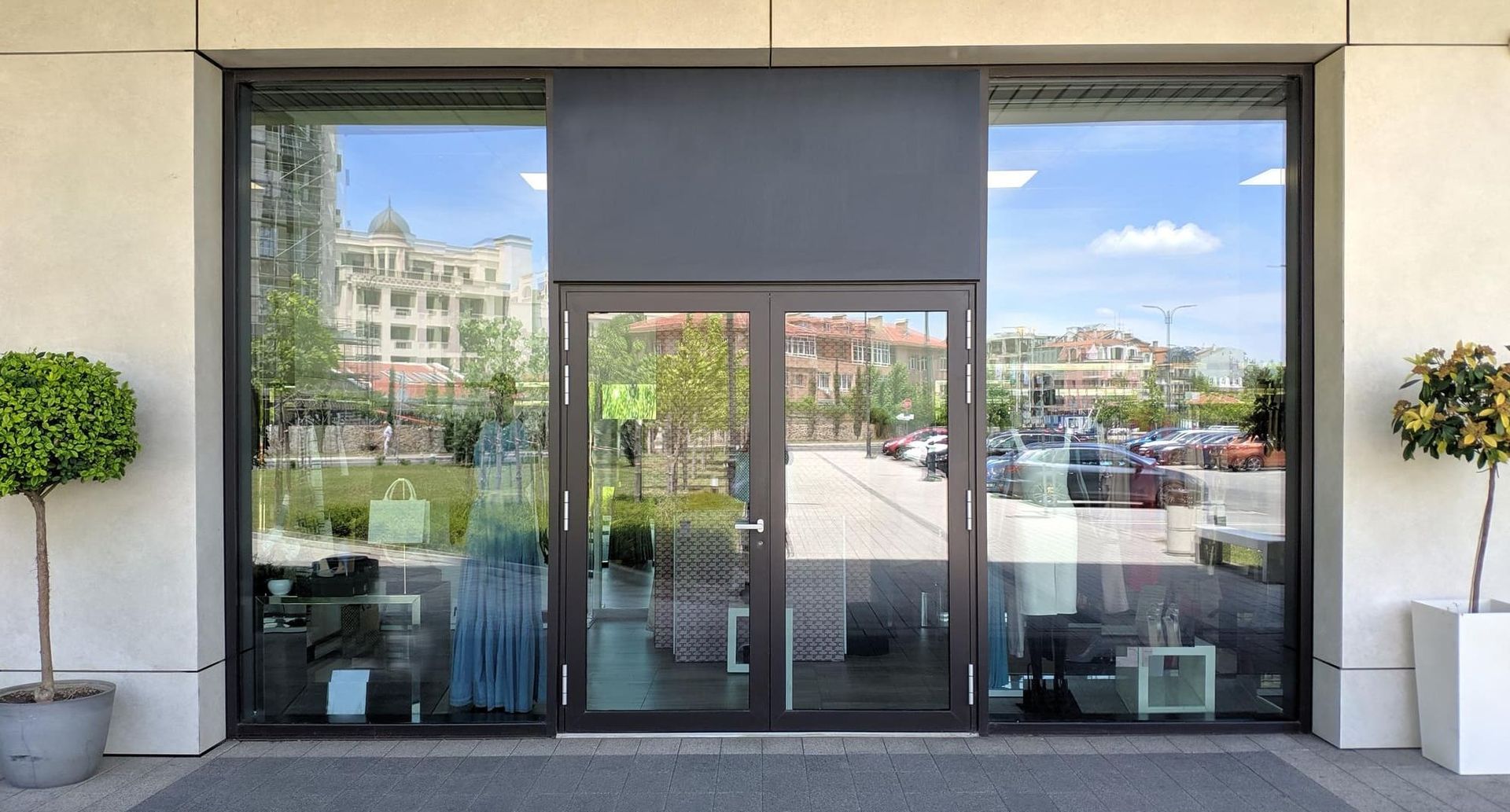
The Short Answer: There Is No Single "Best" Storefront Tint
Storefronts have competing goals. You want people to see in, but not too much. You want light, but not heat or glare. You want privacy, but you don't want to look closed. The best results come from asking three questions:
- Which windows need visibility? Display windows and entry doors usually do.
- Which spaces need privacy, and when? Daytime-only privacy and 24/7 privacy call for different films.
- Where is the heat coming from? South- and west-facing glass takes the hardest hit, especially on summer afternoons.
Once you answer those, choosing film gets much easier.
Why Storefront Glass Creates Heat and Privacy Problems
Large Glass Areas Trap Solar Heat
The U.S. Department of Energy estimates that about one-third of a building's cooling load comes from solar heat gain through windows. Storefronts are mostly glass, so the share is often higher. West-facing shops in Rome feel it every summer, when late-afternoon sun bakes the sales floor and the AC can't keep up.
Glare Hurts Customers and Staff
Direct sun and reflections off parked cars and nearby buildings create glare. It makes checkout screens hard to read and gives employees eye strain. It also makes customers squint when they should be shopping.
UV Fades Merchandise and Displays
UV rays fade clothing, packaging, furniture, artwork, and window displays. Inventory that sits in a sunny window can be unsellable within one season.
Clear Glass Offers Zero Privacy
Clear glass shows everything: your back office, register area, stockroom, and clients sitting in a salon chair or exam room. It can also show valuable equipment and merchandise to anyone casing the building after hours.
Storefront Window Tint Options Compared
Here's how the main film categories perform on the two things storefront owners care about most:
| Film Type | Daytime Privacy | Nighttime Privacy (Lights On) | Heat Rejection | Merchandise Visibility | Best For |
|---|---|---|---|---|---|
| Reflective (Mirrored) Solar Film | High | Low (reverses) | Very high | Low to moderate | West-facing glass, offices, service businesses |
| Dual-Reflective Solar Film | High | Low to moderate | Very high | Moderate | Storefronts that want daytime privacy plus clearer evening views out |
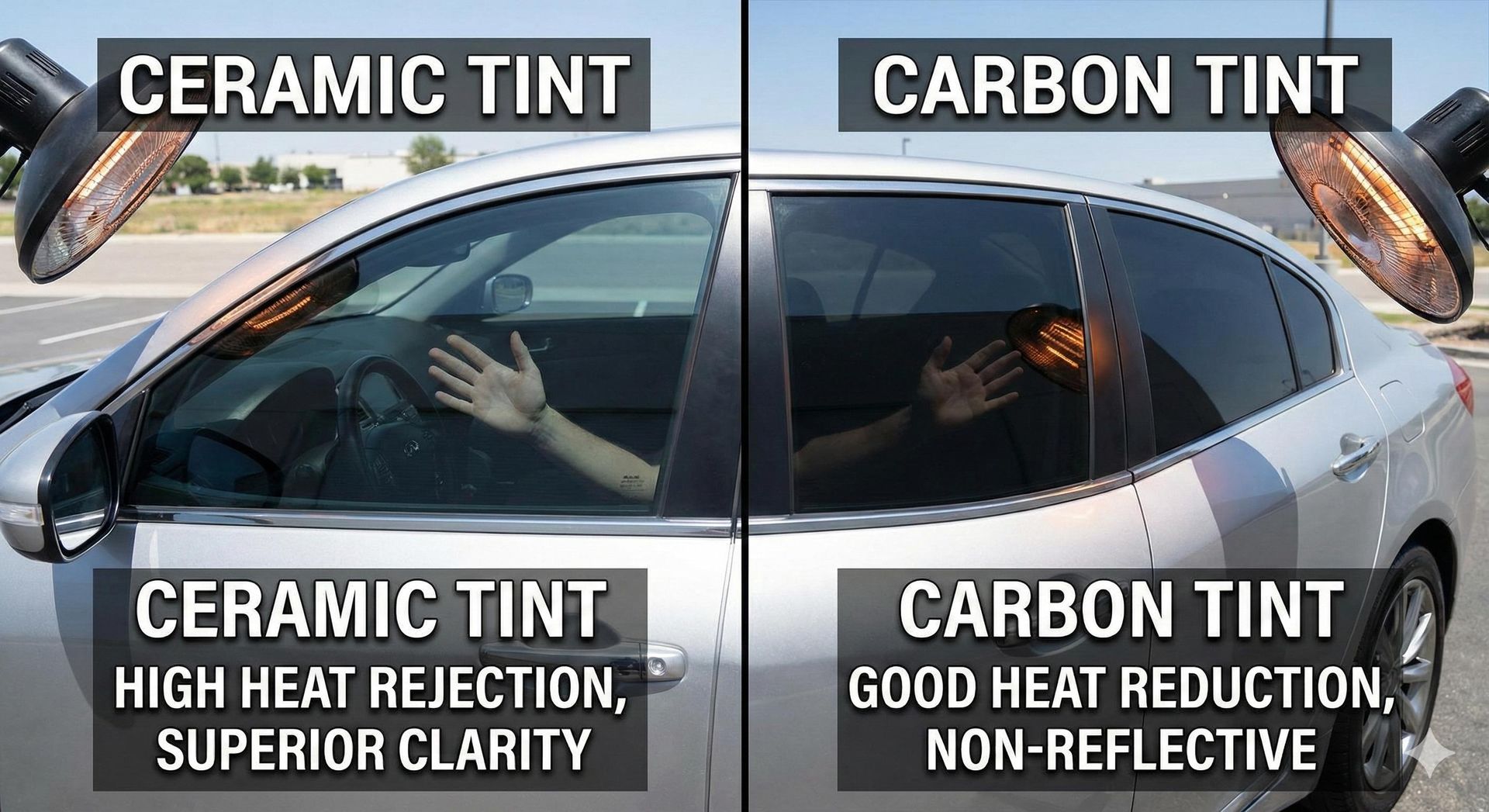
| Neutral / Ceramic Solar Film | Low to moderate | Low | Moderate to high | High | Retail display windows and entry doors |
| Frosted Decorative Film | High | High | Low to moderate | None (diffused light) | Offices, restrooms, treatment rooms, conference rooms |
| Gradient Decorative Film | Partial (adjustable) | Partial | Low to moderate | Partial | Lower-half privacy with open views above |
| Custom / Logo Decorative Film | Varies by design | Varies by design | Low to moderate | Varies | Branding, partial privacy, storefront identity |
| Blackout / Opaque Film | Total | Total | Moderate to high | None | Stockrooms, back walls, unused windows |
The Truth About "One-Way" Mirror Tint
The most common misconception we hear from storefront owners is that mirrored tint gives one-way privacy all the time. It doesn't.
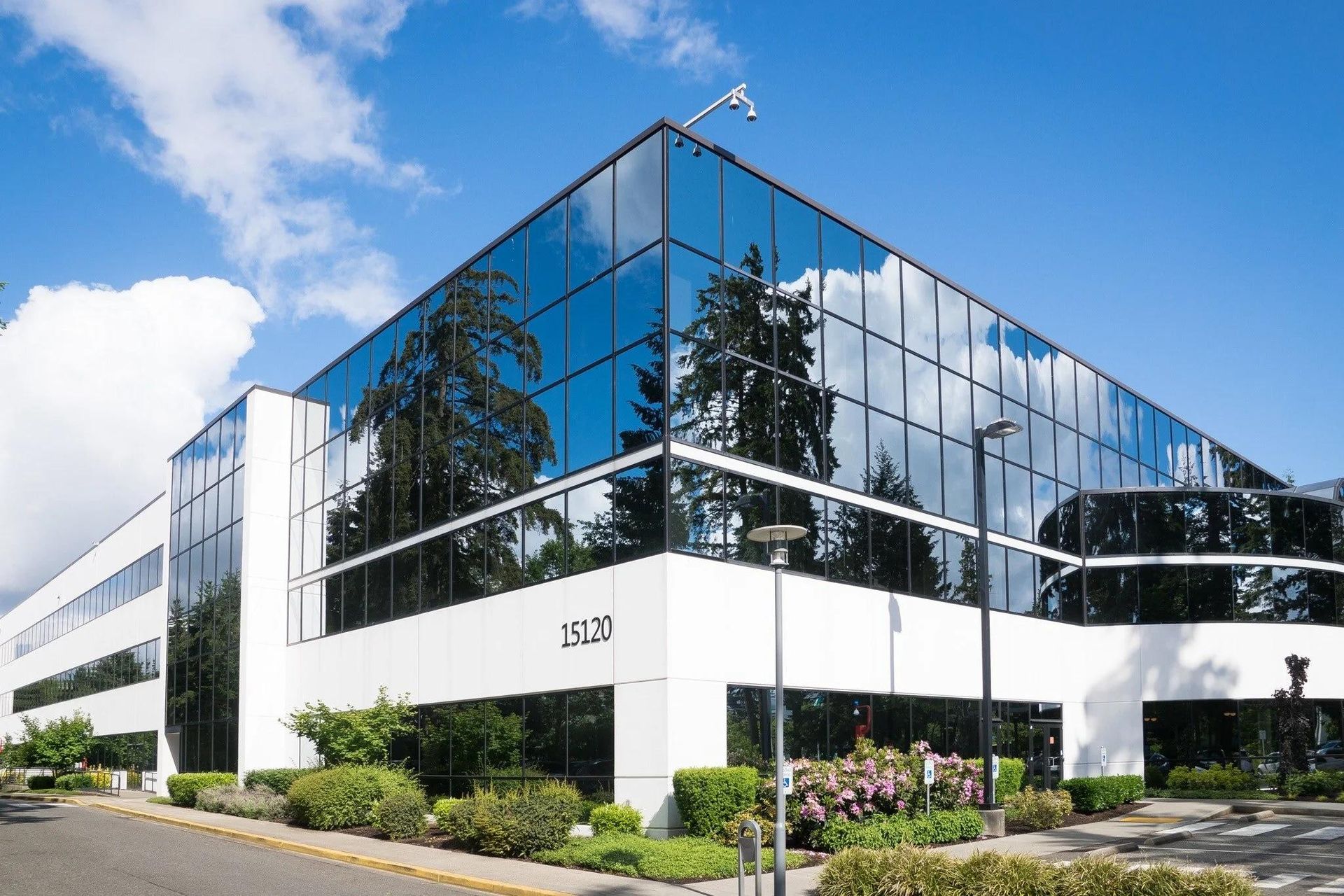
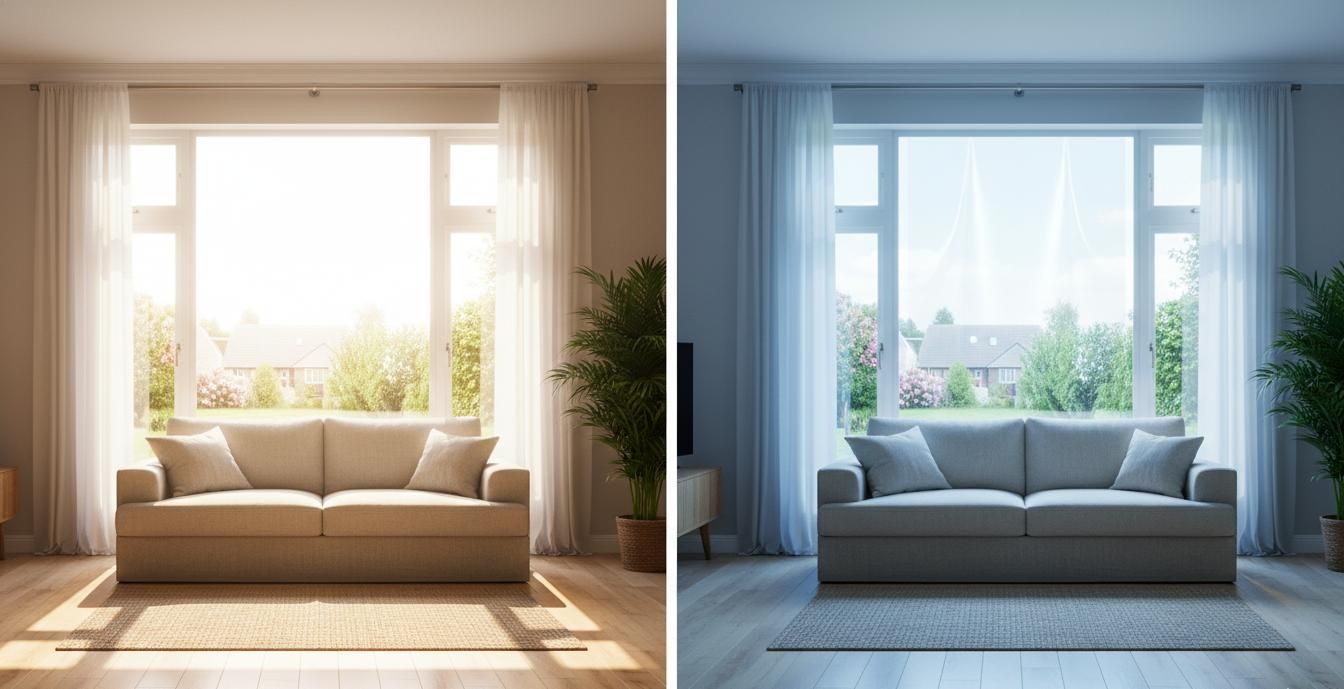
Reflective film works because the brighter side sees a mirror and the darker side sees through. During the day, the outside is brighter than your shop. People on the sidewalk see a reflection, and you see out clearly. That's excellent daytime privacy.
After dark, the situation reverses. With your lights on and the street dark, people outside can see in, and your staff sees their own reflection. Dual-reflective films soften this effect and keep clearer views out at night, but no transparent film provides true nighttime privacy.
What this means for you: If you need privacy after dark, such as a salon open late, a medical office with evening hours, or an office with sensitive work, use frosted, gradient, or opaque decorative film in those areas. Reflective film alone won't do it.
The Best Tint Strategy by Storefront Zone
The smartest storefront installations treat different windows differently. Here's how we typically approach it:
| Storefront Zone | Primary Goal | Recommended Film | Why |
|---|---|---|---|
| Display windows | Visibility + heat & UV control | Neutral or ceramic solar film | Keeps merchandise visible while blocking 99% of UV and cutting heat |
| Entry doors | Visibility + branding | Light solar film + vinyl logo or hours graphics | Welcoming, readable, and on-brand |
| West- or south-facing side glass | Maximum heat rejection | Reflective or dual-reflective solar film | Strongest defense against afternoon sun |
| Offices and back rooms | 24/7 privacy | Frosted or opaque decorative film | Privacy that doesn't depend on lighting |
| Salon, spa, or treatment areas | Privacy + natural light | Frosted, gradient, or patterned decorative film | Clients feel comfortable while the room stays bright |
| Lower half of large windows | Partial privacy | Gradient or frosted band | Blocks sightlines at seated height and keeps the view above |
| Stockrooms and unused windows | Total concealment | Blackout or opaque film | Hides inventory and deters break-ins |
Recommendations by Business Type
Retail Shops and Boutiques
Visibility is everything. Use neutral or ceramic solar film on display windows to protect merchandise from fading and reduce heat without darkening the shop. Add frosted film to fitting rooms and back offices.
Restaurants and Cafés
Diners near the window shouldn't be roasting or squinting. A dual-reflective or ceramic solar film on sun-facing glass improves comfort at window tables, and a frosted band can add privacy at seated eye level.
Salons, Spas, and Medical Offices
Client privacy comes first. Frosted, gradient, or patterned decorative films provide privacy at every hour while keeping rooms bright. Pair them with solar film on sun-exposed glass to manage heat.
Professional Offices
Law firms, insurance agencies, and accounting offices often prefer a clean, uniform exterior look. Reflective or dual-reflective film provides daytime privacy and heat control, and frosted film secures conference rooms and private offices.
Historic Downtown Storefronts
Many buildings in downtown Rome have character worth preserving. Virtually invisible specialty solar films improve comfort without changing the building's look. Check with the city about any historic district guidelines before you choose a reflective film.
How to Choose the Right Storefront Tint: 5 Steps
Walk Your Space at Different Times of Day
Note where the sun hits in the morning and afternoon, where glare is worst, and which areas feel hottest. Then check again after dark with your lights on to see what's visible from the street.
Map What Needs to Be Seen and What Needs to Be Hidden
Mark windows that need visibility, such as displays, doors, and signage. Then mark spaces that need privacy, such as offices, restrooms, client areas, and stock.
Decide Between Daytime and 24/7 Privacy
If you need privacy only during business hours, reflective solar film may be enough. If you need privacy after dark, plan for decorative or opaque film in those areas.
Think About Your Brand
Your windows are prime advertising space. Custom-cut decorative film can add your logo or a design that matches your branding while still giving partial privacy. Trim Ideas also creates vinyl signs and window graphics, so tint and branding can be designed and installed together.
Check Your Glass and Get a Professional Assessment
Film is designed for windows in good condition. Windows with failed seals, leaks, or damaged frames need repair first. A professional installer will confirm the glass type and recommend compatible films.
What Commercial Window Film Can Do for Your Bottom Line
Storefront tint isn't only about comfort. It's a business investment:
- Lower energy costs: Professional energy audits estimate that buildings retrofitted with LLumar energy-saving window film can save as much as 15% annually on energy, with payback often as short as three years.
- Merchandise protection: Blocking 99% of UV rays slows fading on inventory, displays, flooring, and fixtures.
- Happier customers and staff: Less glare and fewer hot spots mean a more comfortable space to shop and work.
- Lower cost than replacement windows: Window film costs a fraction of what new windows would.
- A cleaner exterior look: Film can give a building with mismatched blinds and window treatments a uniform appearance from the street.
- Added security: For extra protection, safety and security films help hold glass together after an impact and slow down smash-and-grab break-ins.
Frequently Asked Questions About Storefront Window Tint
What is the best window tint for storefront privacy?
For daytime privacy, reflective or dual-reflective solar film works best because it creates a mirror effect from outside. For privacy at all hours, frosted, gradient, or opaque decorative films are the better choice because they don't depend on lighting.
What is the best window tint for storefront heat?
Reflective and dual-reflective solar films provide the highest heat rejection. If you need customers to see your merchandise clearly, neutral or ceramic films offer strong heat control with much less darkening.
Can people see into my store at night with tinted windows?
Yes, with most transparent films. When your lights are on and it's dark outside, the mirror effect reverses and people can see in. If you need nighttime privacy, use frosted or opaque decorative film in those areas.
Will window tint make my store look closed?
Not if it's chosen correctly. Light neutral or ceramic films on display windows and entry doors keep the shop looking open and inviting, and adding your logo or hours to the door helps too.
Does commercial window tint really lower energy bills?
Yes. By reducing solar heat gain and evening out hot and cold spots, window film reduces the load on your HVAC system. Energy audits show buildings with LLumar energy-saving film can save as much as 15% a year on energy.
Can I add my logo to storefront window film?
Yes. Custom decorative films can be cut or printed with logos, patterns, and designs. They give partial privacy and strengthen your brand at the same time.
How long does storefront window film installation take?
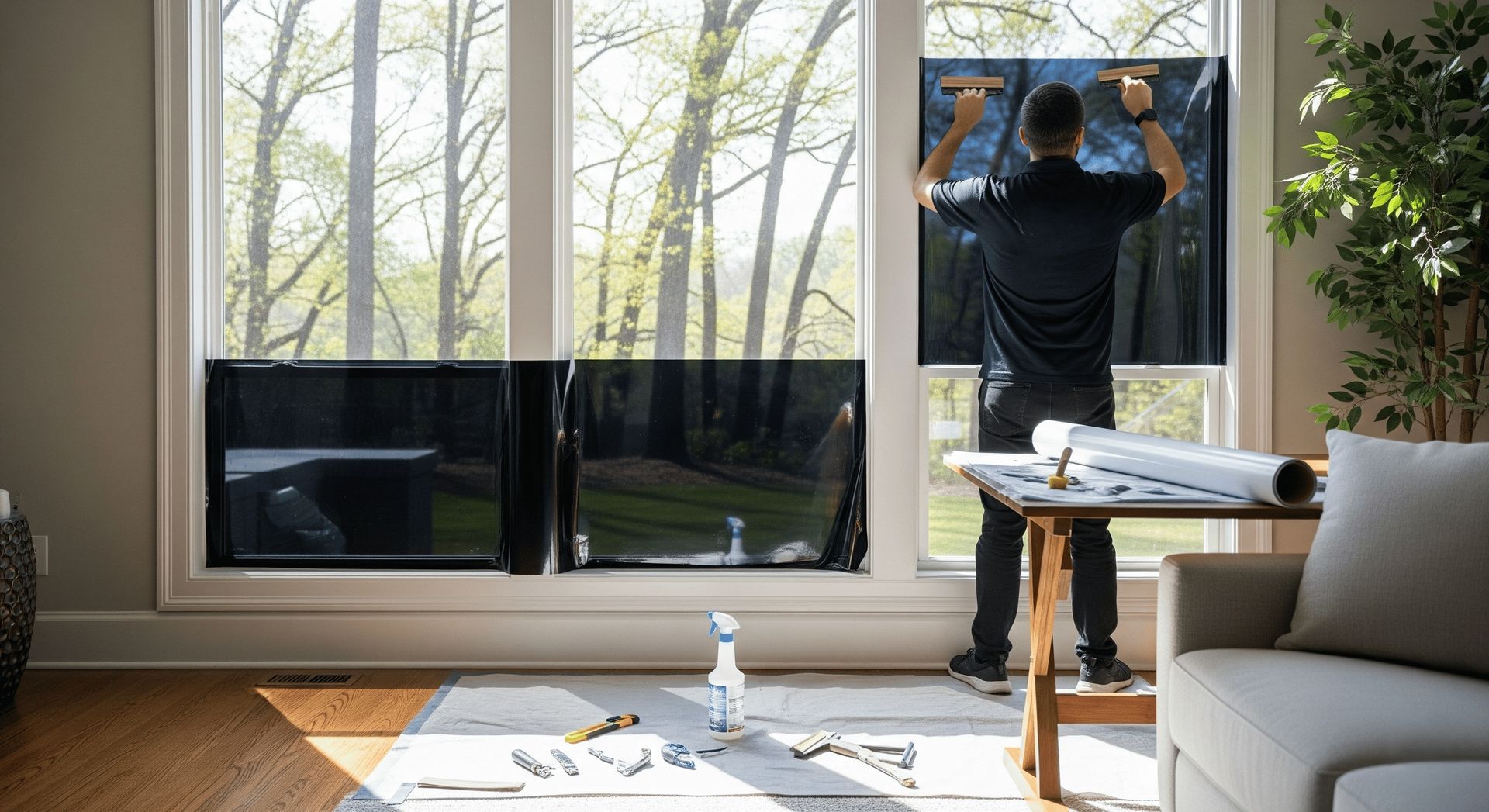
Most small and mid-sized storefronts can be completed in a day or less. Installations can often be scheduled to limit disruption to your business.
Does window tint help with security?
Standard solar and decorative films add some deterrence by limiting visibility inside. For real protection, safety and security films are thicker and help hold shattered glass in place during a break-in attempt.
Get the Right Storefront Tint From Rome's Authorized LLumar Dealer
The best storefront window tint is the one matched to your space: solar film where you need heat control and visibility, reflective film where you want daytime privacy, and decorative film where privacy has to last around the clock. With the right combination, your storefront stays cooler, protects your merchandise, keeps private areas private, and looks great from the street.
Trim Ideas is an Authorized LLumar Film Dealer serving Rome, Summerville, Cave Spring, Lindale, Shannon, Kingston, Silver Creek, and all of Floyd County. We combine premium LLumar commercial and decorative window films with in-house vinyl signs and graphics, so your storefront's comfort, privacy, and branding can all be handled in one project.
Ready to take control of heat and privacy at your business? Call Trim Ideas at (706) 290-3401, stop by our shop at 218 W 10th St in Rome, or request your free commercial window tinting estimate online today.