2026 Window Tint Laws in Georgia: What Every Driver Should Know
Georgia’s sunny days and warm climate make
auto window tinting a must for many drivers seeking heat rejection,
UV protection, and glare reduction. But with great benefits come strict regulations—knowing the legal limits on window tint is more important than ever in 2026. Failure to comply with
Georgia’s tint laws can lead to fines, required removal, and even failed
inspections. Staying informed doesn’t just help you avoid penalties; it ensures your vehicle is safe, comfortable, and compliant—allowing you to enjoy all the perks of
professional window tinting without risking your driving privileges. This guide breaks down everything drivers need to know about 2026 Georgia window tint regulations,
legal percentages by vehicle type, exceptions, compliance testing, and the latest film technologies that keep you street legal and cool behind the wheel.

Understanding 2026 Georgia Window Tint Laws: Who They Apply To and Why
Which Vehicles Are Covered?
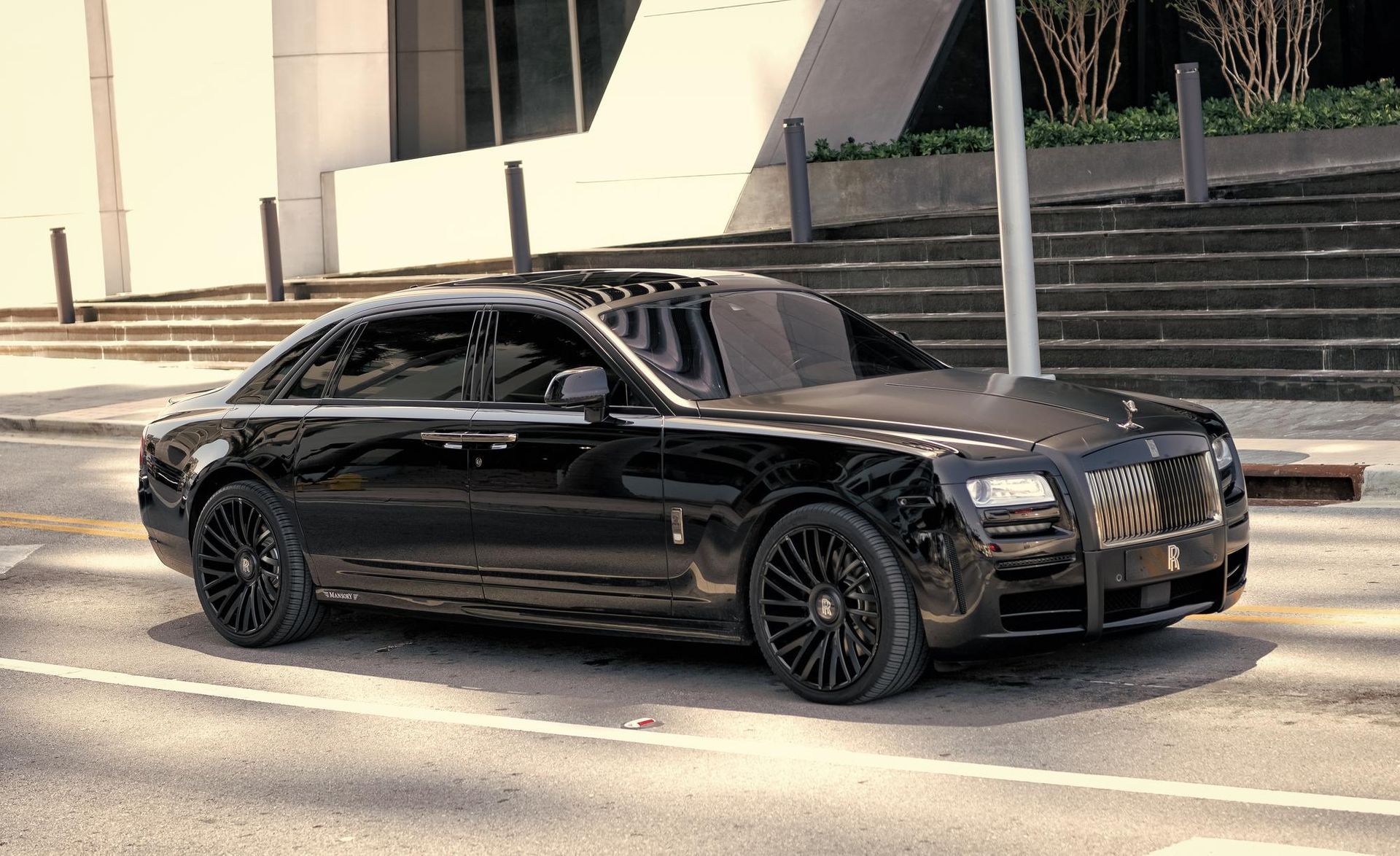
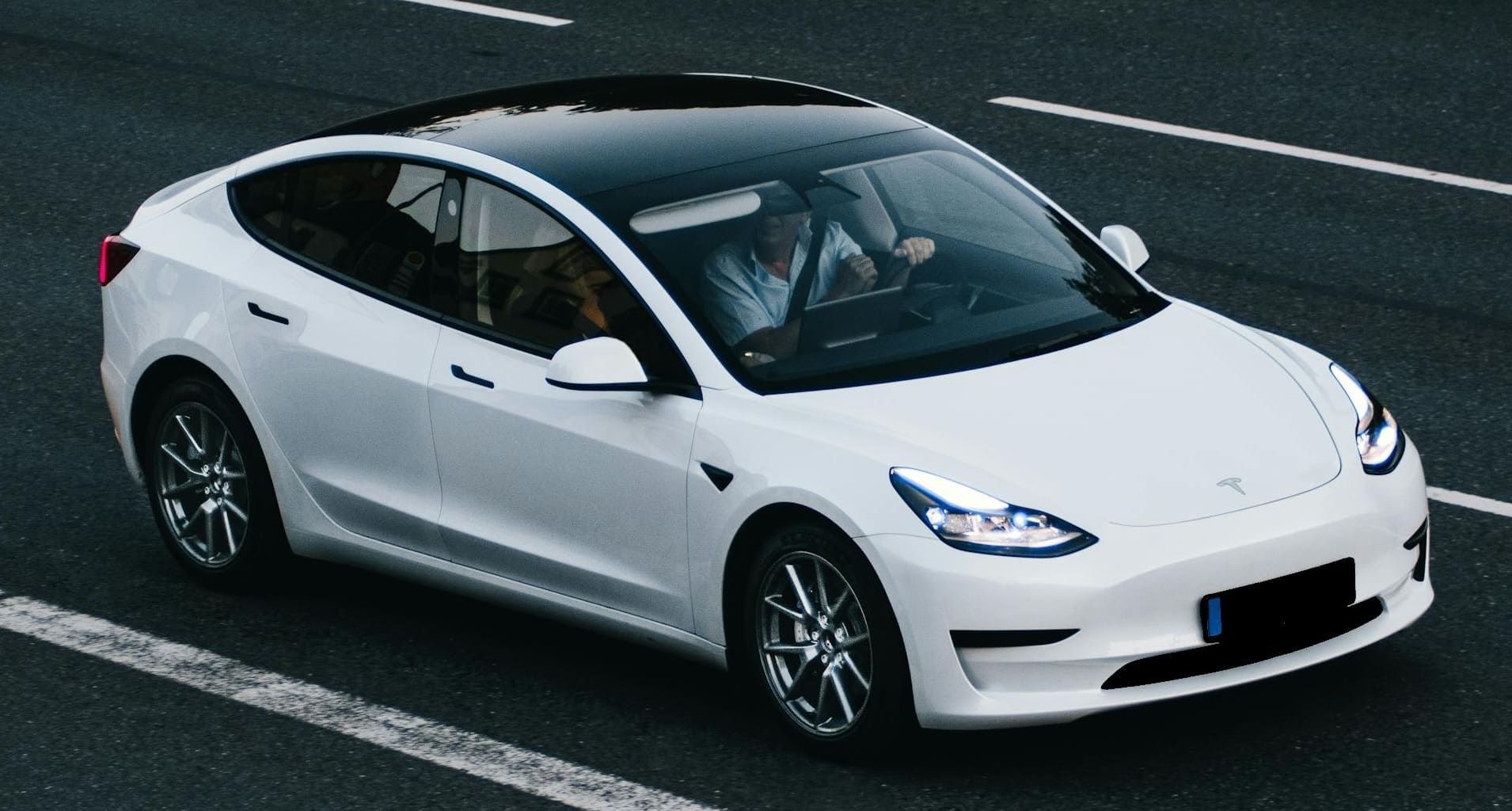
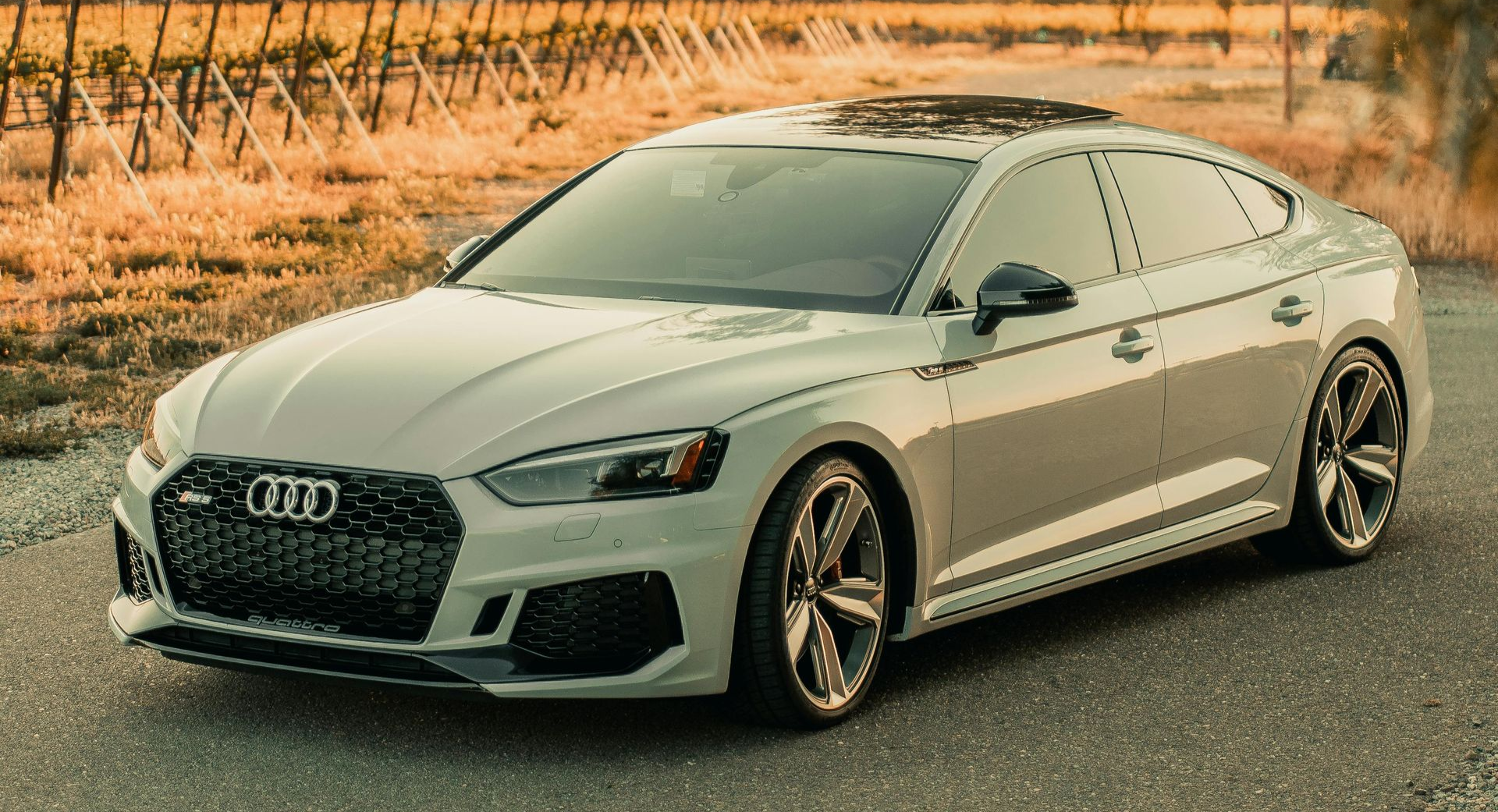
Georgia’s tint laws apply to all passenger vehicles, including sedans, coupes, hatchbacks, SUVs, crossovers, vans, and trucks. There are some differences in allowable tint percentages based on vehicle classification, especially between sedans and Multi-Purpose Vehicles (MPVs) such as SUVs and vans. Those driving commercial, government, or specialty vehicles should check for any additional federal or state requirements.
Why Window Tint Laws Exist
Window tint laws in Georgia (and nationwide) have three primary goals:
- Ensure driver and pedestrian safety: Adequate visibility is necessary for both daytime and nighttime driving.
- Support law enforcement: Legal limits ensure officers can see inside vehicles during traffic stops for everyone’s safety.
- Prevent hazardous driving conditions: Excessively dark tint increases the risk of accidents by reducing outward visibility and making it harder to spot hazards, other vehicles, and pedestrians—especially at night.
2026 Legal Window Tint Limits in Georgia: VLT by Vehicle Type and Window
What Is VLT (Visible Light Transmission)?
VLT measures how much visible light passes through your window plus the tint film. In Georgia, the percentages below represent minimum VLT required—lower numbers mean darker tint.
Georgia’s 2026 Legal Tint Percentages by Vehicle and Window
| Vehicle Type | Front Side Windows | Rear Side Windows | Rear Window | Windshield |
|---|---|---|---|---|
| Sedan/Coupe | 32% VLT min | 32% VLT min | 32% VLT min | Non-reflective tint above AS-1 line* |
| SUV/MPV | 32% VLT min | Any% VLT | Any% VLT | Non-reflective tint above AS-1 line* |
| Truck/Van | 32% VLT min | Any% VLT | Any% VLT | Non-reflective tint above AS-1 line* |
*AS-1 Line: The manufacturer’s demarcation, generally the top 6" of the windshield. No tinting allowed below this line except clear UV films meeting federal standards.
Reflectivity and Color Restrictions in 2026
- Reflectivity: Tint on windows may not be more than 20% reflective. Mirrored or metallic tints are generally prohibited.
- Color: Red, amber, or blue window tints are banned in Georgia. Choose neutral, charcoal, or factory-matching colors for legal compliance.
Medical Exemptions and Special Situations
Georgia law allows medical exemptions for qualifying medical conditions (such as photosensitivity, lupus, albinism) requiring darker than legal tint. To obtain:
- Apply through the Georgia Department of Public Safety with medical documentation from a licensed physician.
- Carry state-issued exemption certificate in your vehicle at all times.
- Know that medical exemptions can be revoked or reviewed annually and are specific to individual vehicles.
Compliance and Enforcement: How Georgia Tint Laws Are Tested in 2026
Tint Testing Procedures
- Police officers use certified photometers (tint meters) during traffic stops or inspections to check VLT, testing “window plus film”—not just the film alone.
- Officers may inspect any window at any time, especially if excessive darkness is suspected.
- Annual vehicle inspections do not currently test for tint in Georgia, but roadside spot-checks are common.
Penalties for Non-Compliance
- First offense: Up to $1,000 fine, misdemeanor record, required tint removal, and a possible re-inspection or court appearance.
- Repeat offenses: Higher fines and stricter requirements for proof of legal compliance.
- Other issues: Non-compliant tint may lead to failed insurance claims, registration issues, or resale concerns.
Quick-Reference Table: Georgia Legal Tint by Window Type—2026
| Window | Sedan | SUV/Truck/Van |
|---|---|---|
| Front Sides | 32% VLT min | 32% VLT min |
| Rear Sides | 32% VLT min | Any% VLT |
| Rear Window | 32% VLT min | Any% VLT |
| Windshield | Non-reflective | above AS-1 line only |
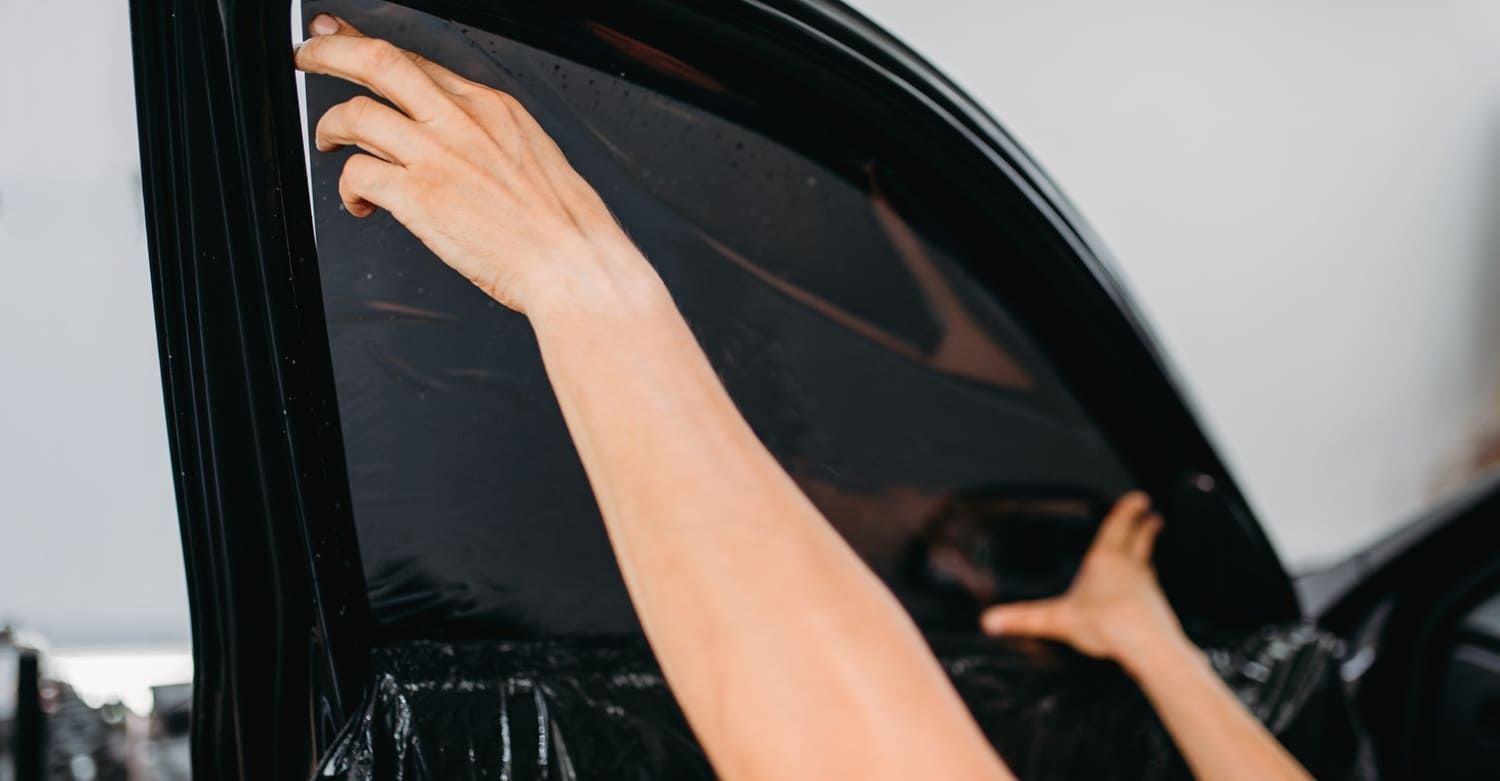
Making the Right Choice: How to Choose Legal, High-Performance Window Tint
Tips for 2026 Window Tint Compliance in Georgia
- Request manufacturer documentation for VLT% and reflectivity to show during inspections.
- Choose reputable installers who use professional, legal products and provide written records and warranties.
- If in doubt, ask for a sample or test patch—ensure the installed film plus glass meets Georgia’s minimums as measured by a standard tint meter.
- Remember: Factory glass may already be tinted; only the combined light transmission counts.
Latest 2026 Tinting Technologies for Comfort and Compliance
Film technology has advanced rapidly—there’s no more need to choose between comfort and legality. Some 2026 highlights:
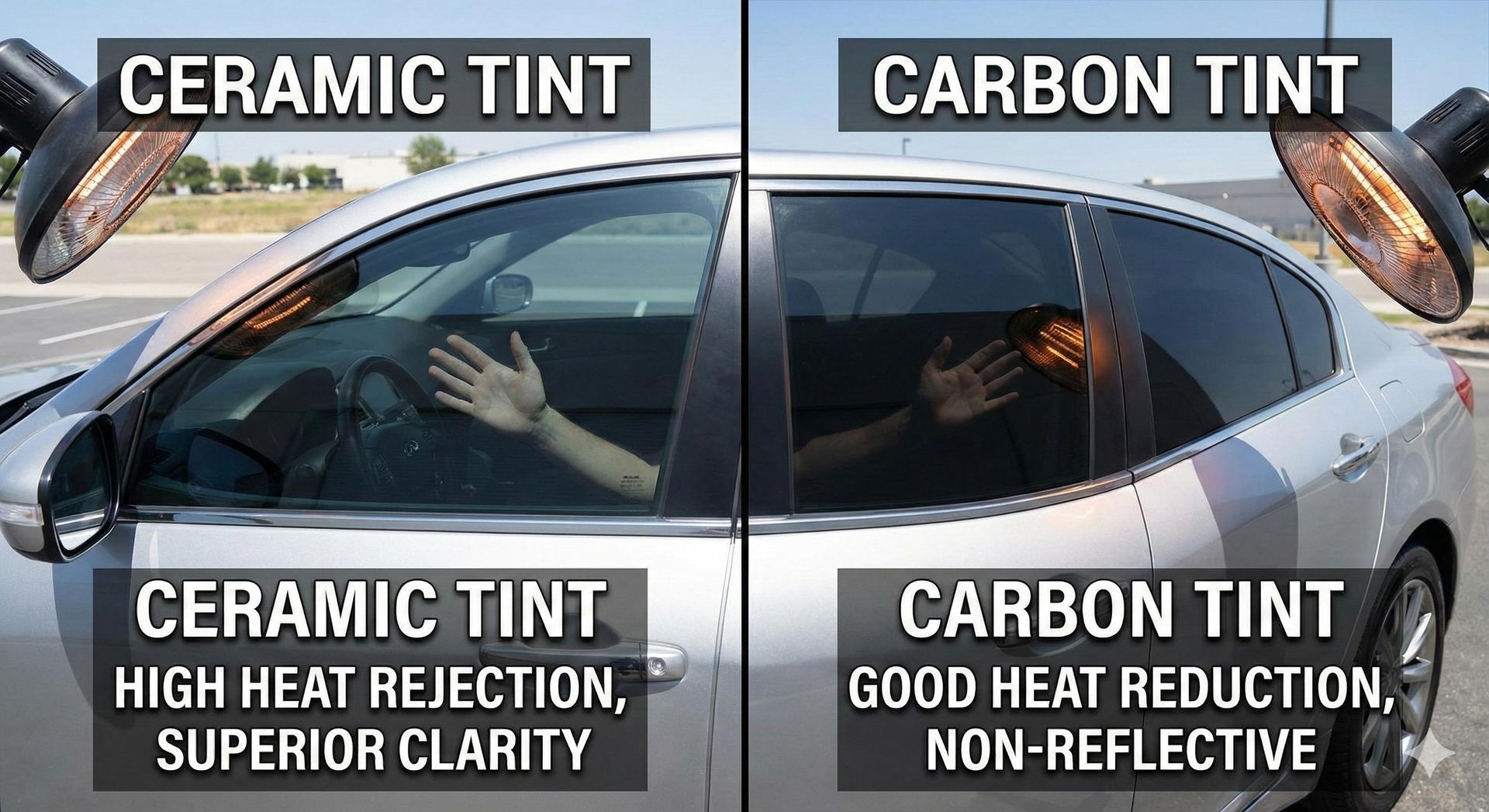
- Nano-Ceramic Films: Block up to 98% of infrared heat and 99%+ UV light, with superior clarity and no signal interference. Most provide lifetime warranties and remain 100% legal at compliant shades.
- IR-Blocking Films: Specifically engineered for maximum heat rejection in Georgia’s sun, maintaining legal VLT limits for both privacy and performance.
- Hydrophobic and self-healing films: Stay cleaner longer, resist scratches, and maintain optimal visibility for years—ideal for high-traffic, all-weather vehicles.
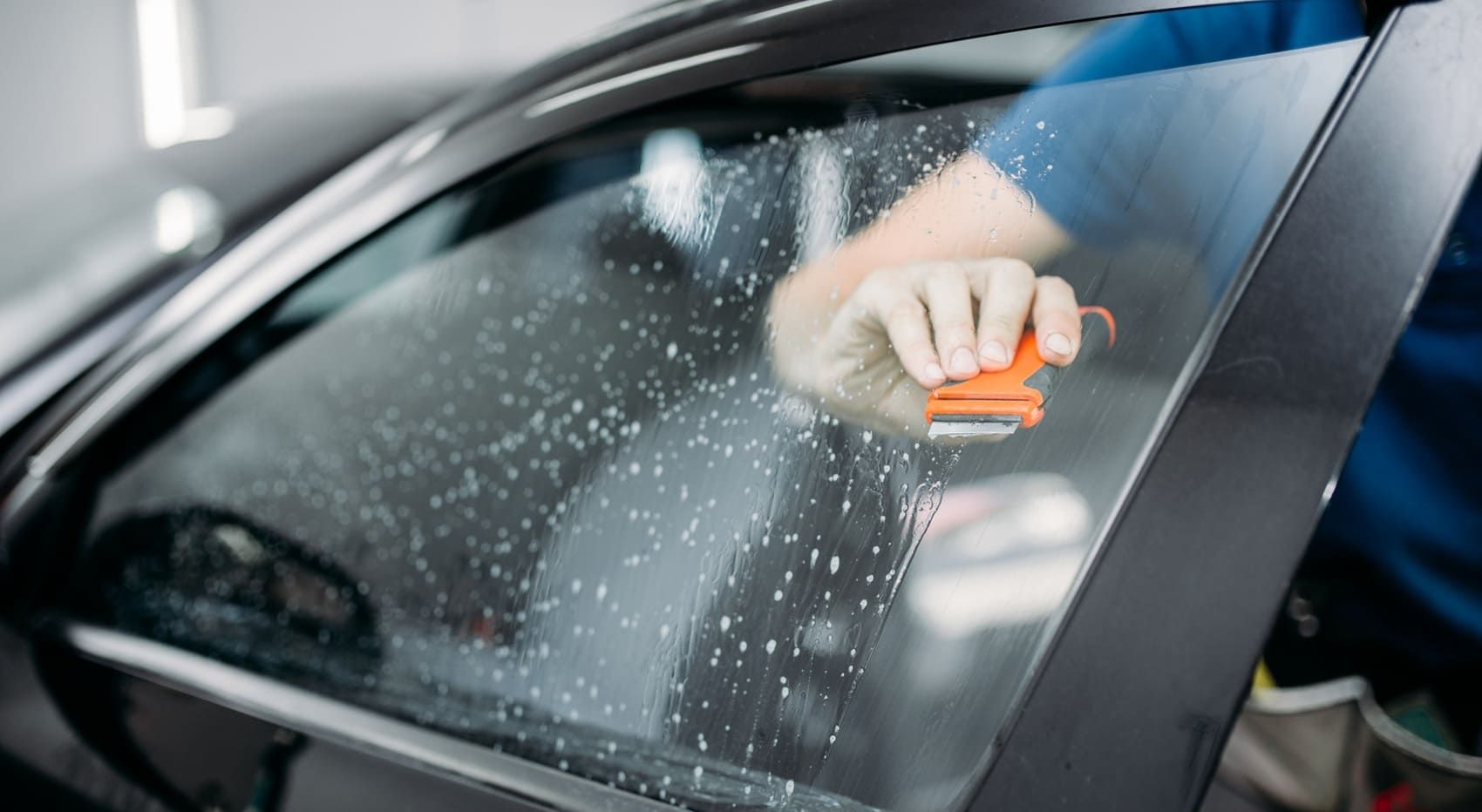
Why Professional Installation Matters
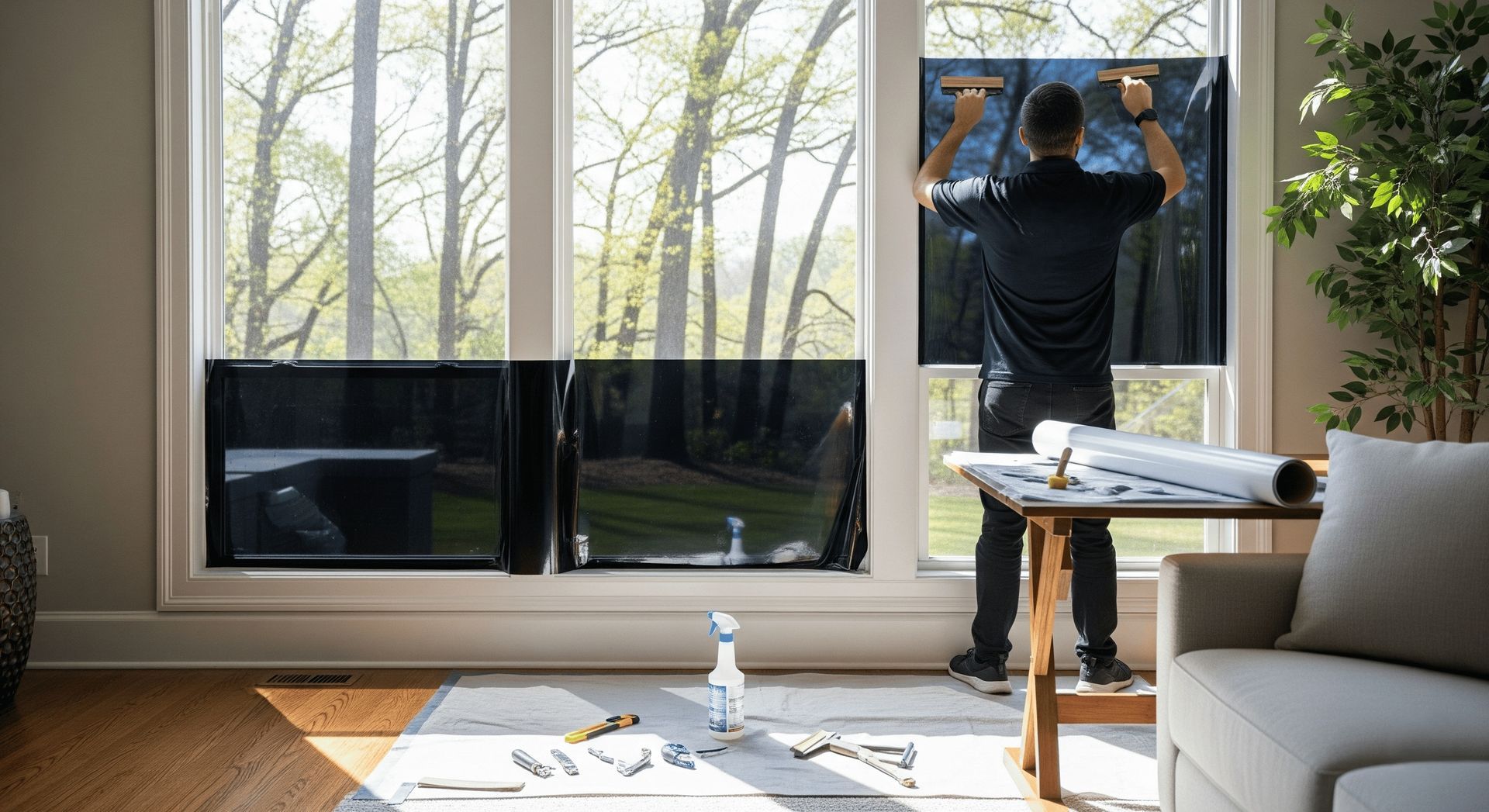
DIY products and uncertified installers pose significant compliance risks. Only professional tint shops can:
- Guarantee legal VLT and reflectivity by vehicle type and window location.
- Provide written warranties, compliance documents, and reliable sourcing of quality film.
- Expertly handle advanced glass, ADAS cameras, antennas, and curved installations that require precision.
- Give clear instructions on post-install care and your rights if stopped by law enforcement.
FAQs: 2026 Georgia Window Tint Law Questions
What is the legal tint percentage for Georgia in 2026?
32% VLT minimum on all side and rear windows for sedans; SUVs, trucks, and vans require 32% VLT on front sides but allow any darkness on rear/backs.
Can I put any color tint on my windows?
No. Red, amber, and blue shades are prohibited. Stick with neutral, charcoal, or “factory” tones.
Do these laws apply to SUVs and minivans?
Yes. Front doors must always meet 32% VLT. Rear sides and rear window can be any shade on MPVs.
What happens if my tint is too dark?
You can be ticketed, fined up to $1,000, and required to remove the tint before your vehicle can be registered or resold.
Are medical exemptions for darker tint available?
Yes, but only with a state-issued certificate and annual doctor verification.
How do police test window tint in Georgia?
They use a digital meter to test VLT (window + film). Ensure your entire window assembly meets the law, not just the film rating.
Will window tint fail a Georgia vehicle inspection?
Not part of annual inspection, but you can be cited at any time on the road. Non-compliant tint can cause registration/insurance/reporting issues.
What warranty or proof should I have for legal tint?
A reputable installer provides a written invoice, film documentation, and may offer tags or stickers for compliance.
Are nanoceramic and IR-blocking tints legal?
Yes, as long as the overall VLT remains at or above Georgia’s minimum limit.
Can you have different tint shades for the front and rear?
Yes—on SUVs, vans, and trucks, rear “privacy” glass can be darker, but front door windows must always comply.
Conclusion: Comfort, Compliance, and the Value of Professional Guidance
Georgia’s 2026 window tint laws mean drivers can enjoy maximum comfort and protection while staying fully compliant on the road. Smart tint shoppers choose professional installation, premium films, and always keep documentation handy for peace of mind. Ready to upgrade your driving experience? Trim Ideas, proudly serving Rome, GA, offers certified, legal, high-performance window tint solutions tailored to your sedan, SUV, or truck. Contact us today at (706) 290-3401 or visit www.trimideastint.com to schedule your service and receive a free estimate—ensuring your next drive is cool, comfortable, stylish, and 100% street legal.