2026 Tinting Trends: What’s New in Technology, Style, and Savings
Why 2026 Is a Game-Changer for Automotive Window Tinting
The automotive window tint industry is experiencing a revolution. What was once a simple upgrade for
privacy and glare protection is now a field brimming with innovation, eco-efficiency, and futuristic design. In 2026, advancements in materials science, smart technology, and sustainability are driving dramatic changes in both how window tint performs and how it looks. For car owners, enthusiasts, and tinting pros, understanding these trends is the key to unlocking next-level comfort, protection, and long-term savings. This expert guide breaks down the biggest 2026 tinting advancements and how they’re reshaping driving experiences and market value across the industry.
Next-Gen Tech: The Latest Innovations in Window Tinting
Nano-Ceramic Films: The Peak of Heat and UV Defense
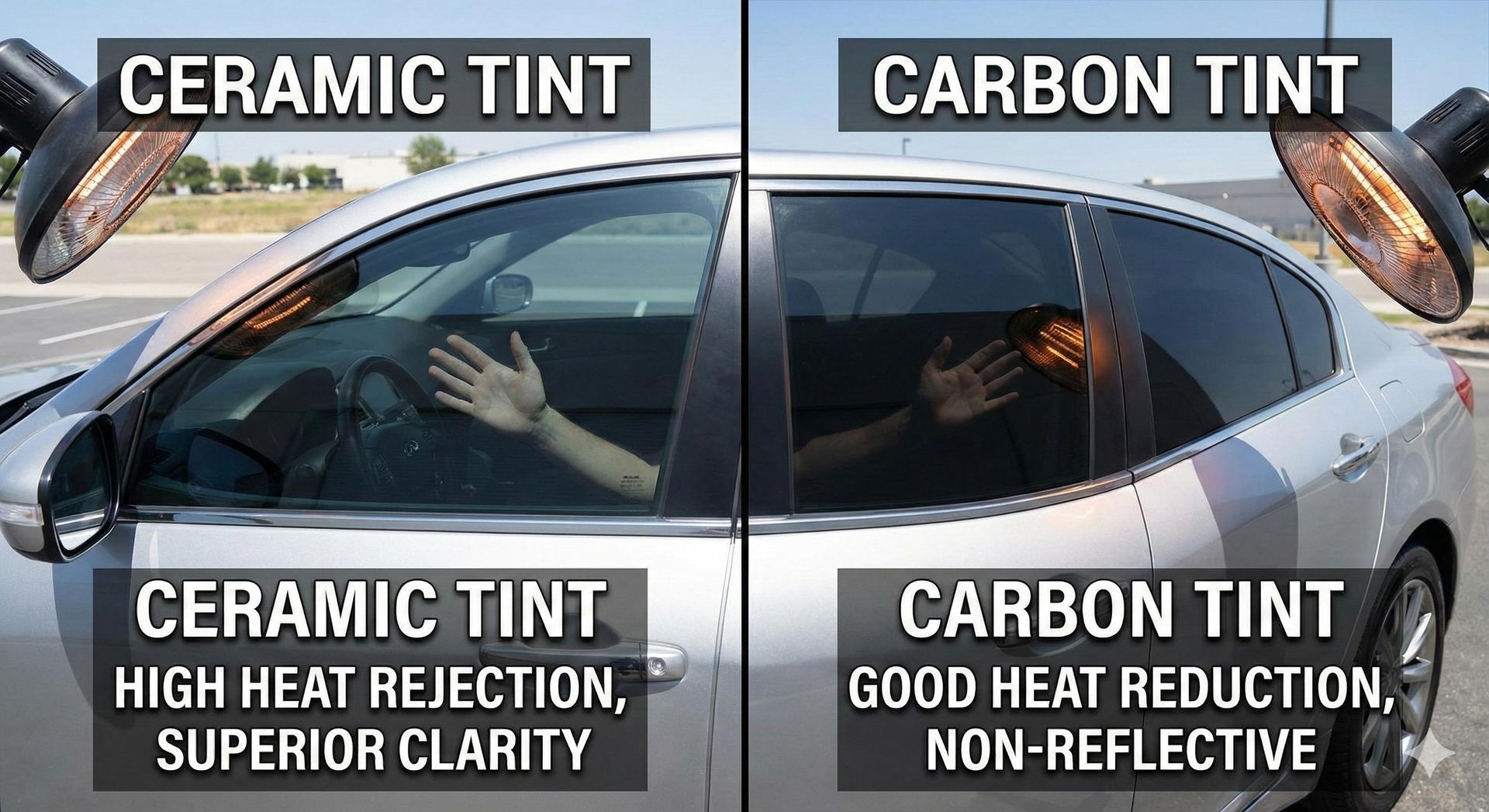
Nano-ceramic window tint set the standard for premium results. In 2026, these films leverage microscopic ceramic particles to deliver:
- Unmatched heat rejection —blocking up to 98% of IR rays for cooler cabins and less AC use.
- 99%+ UV protection —shielding passengers and interiors from skin damage and fading.
- Signal-safe performance —no metal, so modern apps, radios, and ADAS features work flawlessly.
- Crisp, virtually invisible look —crystal clarity with no mirror-like shine or haze.
- 10–lifetime warranty —protection against fading, discoloring, and bubbling for both hot and cold climates.
Graphene-Infused Coatings: Strength and Efficiency Combined
One of the buzziest new materials in window tinting, graphene is famed for its ultra-tough carbon lattice and incredible conductivity. In 2026, graphene-infused auto tints are quickly gaining traction, offering:
- Superb strength and scratch resistance —outperforming even the hardest traditional films.
- Improved heat and solar management —graphene conducts thermal energy, boosting overall cooling ability.
- Excellent clarity, no signal interference —making it perfect for new EV and connected vehicles.
- Enhanced longevity —graphene coatings resist yellowing and maintain top performance for a decade or more.
Infrared (IR) Heat-Blocking Layers: Maximum Comfort on the Road
IR heat is the largest component of unwanted solar gain in your vehicle. The latest IR-blocking films use proprietary layers to filter out these rays, delivering:
- Up to 95% IR rejection —superior to basic dyed or metallic films for maximum coolness inside the car.
- No change in visibility —clear, neutral aesthetics with zero signal issues.
- Lower AC load and battery savings —especially valuable in EVs and hybrids focused on range and efficiency.
Photochromic “Smart” Tints: Dynamic Tint, On Demand
Photochromic or “smart” window tints are now moving beyond concept to real-world, affordable installations. These advanced films automatically adjust their darkness based on sunlight intensity, providing:
- Hands-free adaptive shading —windows get darker when sun is intense, lighter on cloudy days or at night.
- Maximum comfort and visibility —always the optimal VLT for your driving conditions.
- Enhanced UV and IR rejection —protects both people and interiors 24/7.
- Energy-efficient, modern styling —the ultimate tint innovation for luxury and EV models.
Energy-Efficient Films for EVs and Hybrids
Electric and hybrid vehicles are especially sensitive to heat because climate control drains battery range. The latest energy-efficient tints for 2026 provide:
- Infrared rejection built for EV needs —minimizes AC use and extends range.
- Light, virtually colorless films —don’t interfere with advanced driver assistance systems (ADAS).
- Superb longevity and warranty support —designed to last the life of your
vehicle investment.
Technology Comparison Table: Tint Films 2026
| Film Type | Heat Rejection | UV Protection | Adaptive/Smart | Signal Safe | Warranty | Approx. Lifespan | Price/Tier |
|---|---|---|---|---|---|---|---|
| Traditional Dyed/Metallic | 40–70% | 70–90% | No | Varies* | 3–5 years | 3–5 yrs | $ |
| Nano-Ceramic | 88–98% | 99%+ | No | Yes | 10 yr – Lifetime | 10–15 yrs | $$$ |
| Graphene-Infused | 89–97% | 99%+ | No | Yes | 10–15 years | 12–15 yrs | $$$$ |
| IR-Blocking | 85–95% | 99% | No | Yes | 7–10 years | 7–10 yrs | $$ |
| Smart/Photochromic | 80–92% | 98–99% | Yes | Yes | 5–10 yrs | 8–10 yrs | $$$$$ |
*Metallic tints sometimes interfere with GPS/radio signals—choose carefully if your car uses advanced tech or ADAS.
Style and Aesthetic Trends Defining 2026 Tinting
Neutral and Color-Stable Shades Dominate
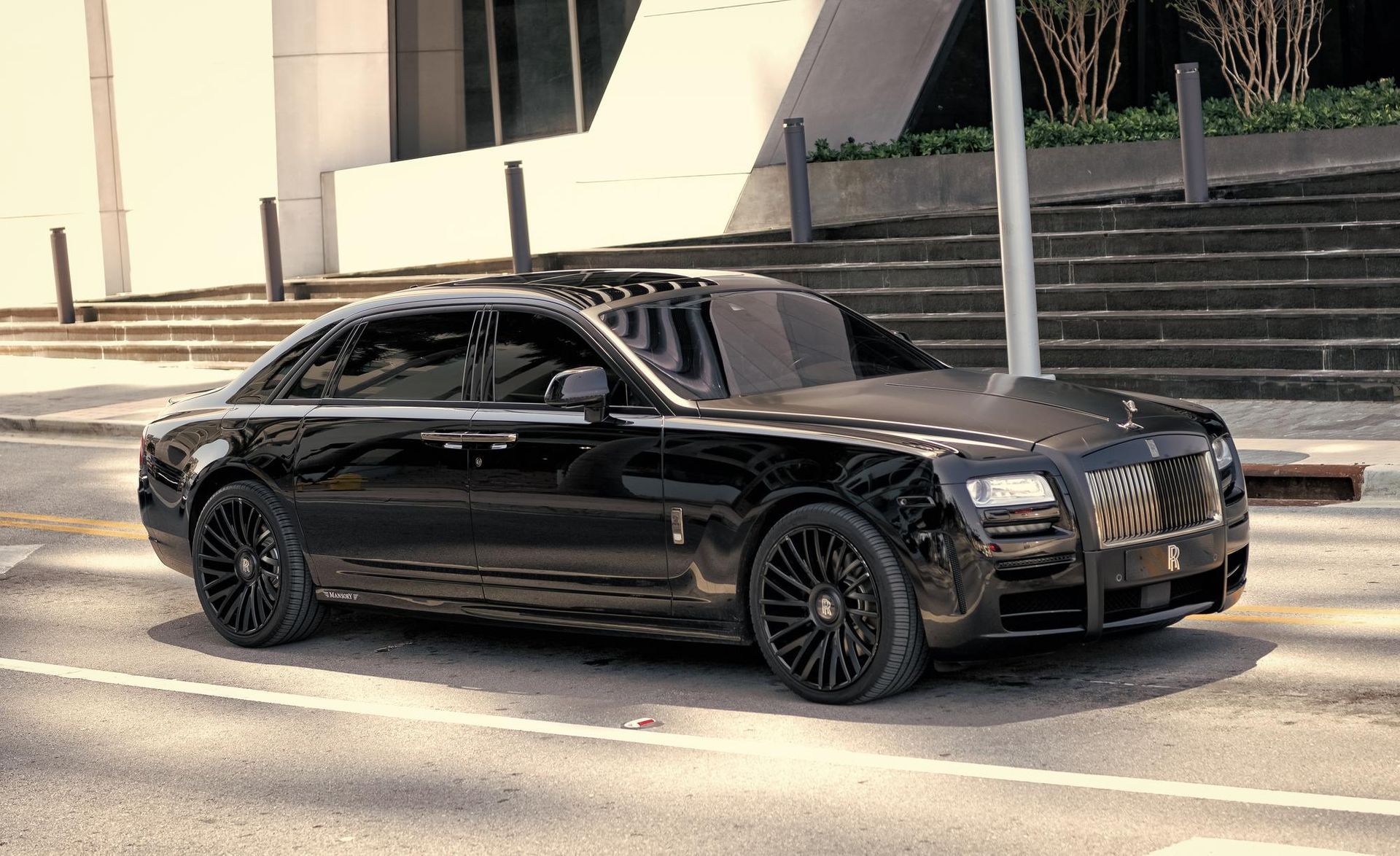
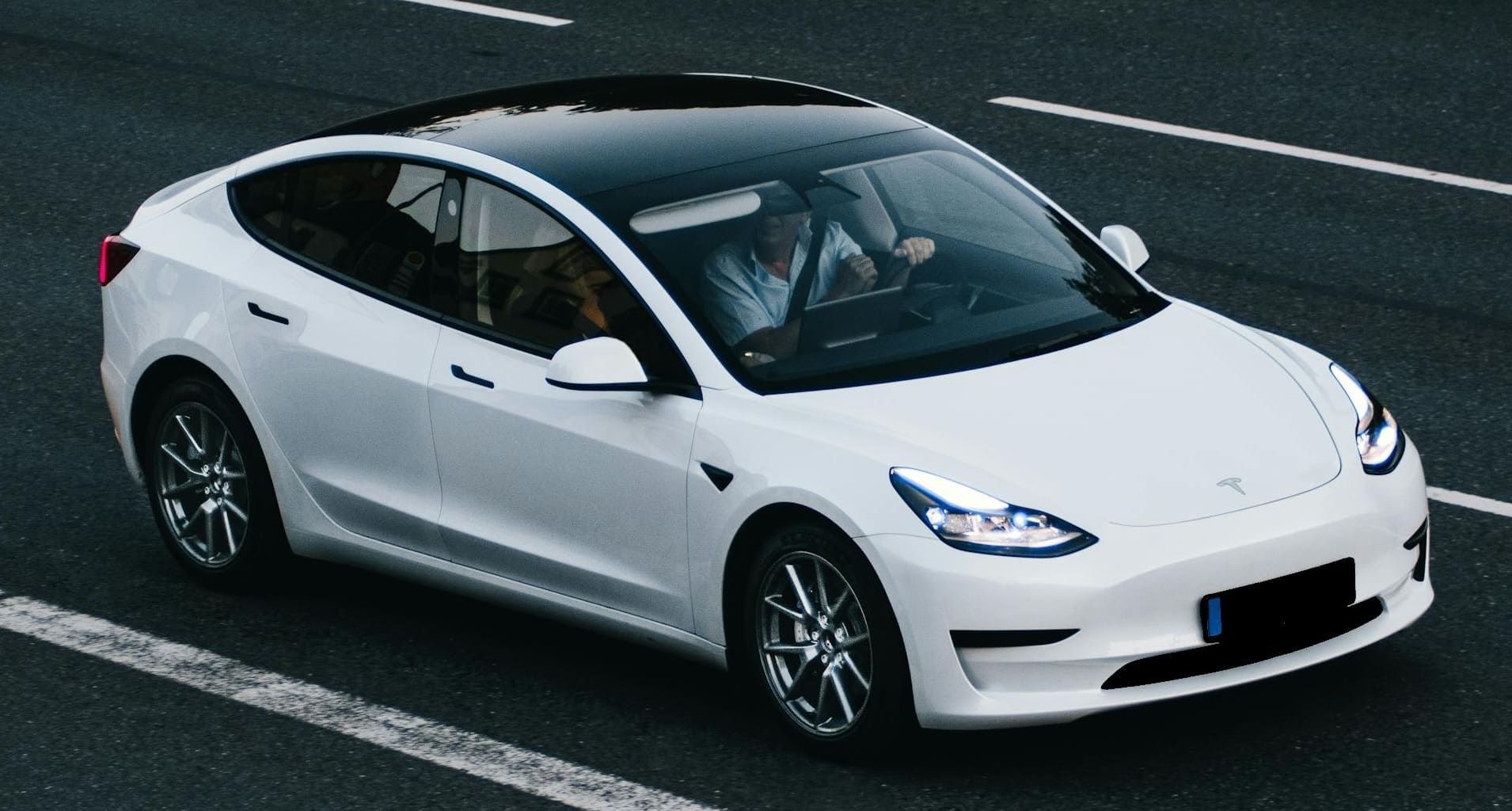
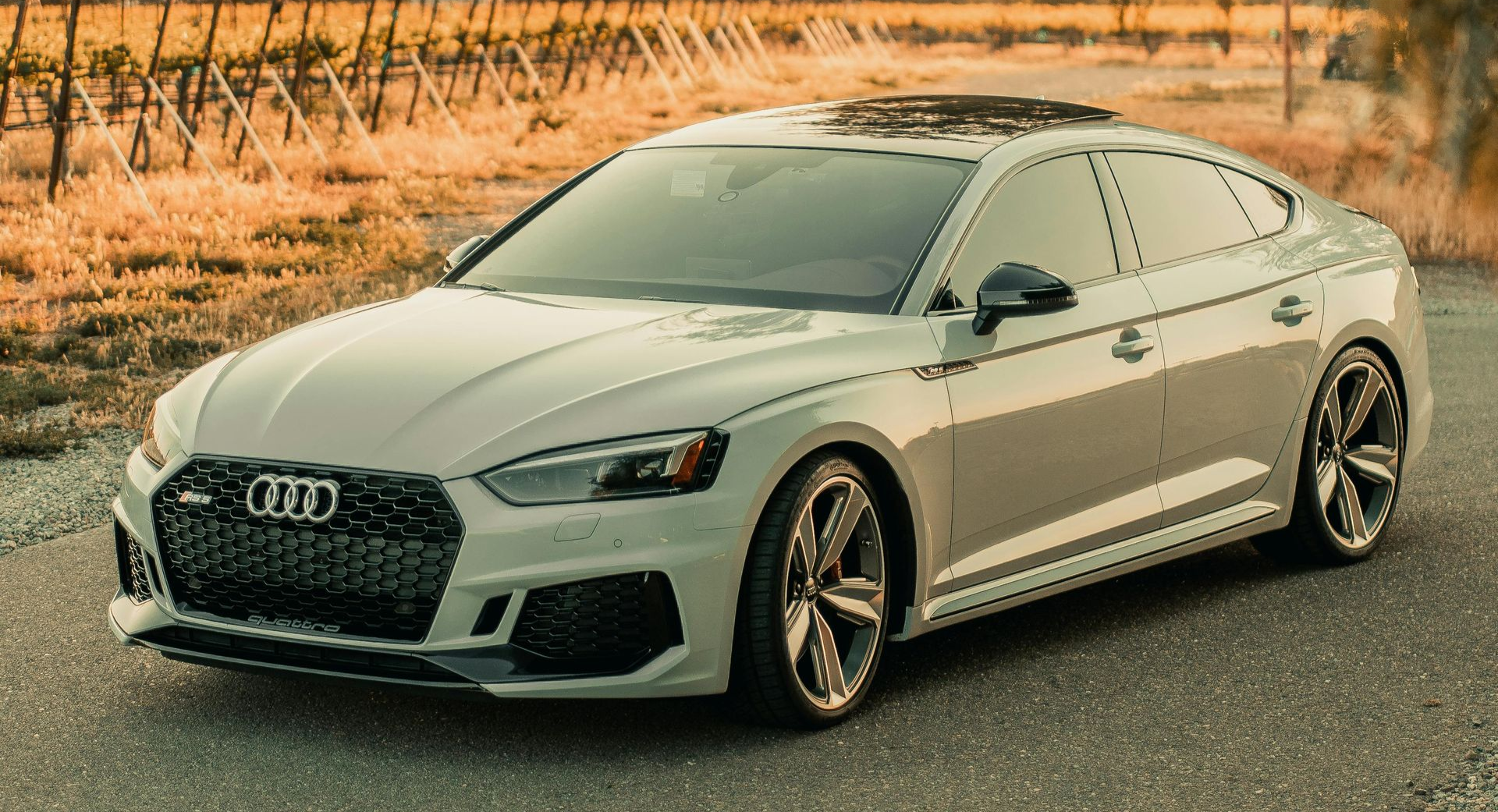
The push for premium, OEM-style aesthetics means neutral mid-grey and color-stable charcoal films are top choices. These keep your car looking high-end, cool, and modern, blending seamlessly with both factory glass and custom wraps or paint.
Gradient and Layered Tints for Custom Looks
Gradient tints—darker at the top, lighter at the bottom—are gaining traction for windshields and privacy panels. These offer excellent glare control plus a luxury, bespoke visual effect. Layered “color enhancement” tints subtly boost paint or interior trim colors using unique optical layers, appealing particularly to sports and luxury vehicle owners in 2026.
Matte, Satin, and Reflective Finishes
Matte and satin window films, long popular in wraps, are now available as tint options for a stealthy, non-gloss look. For bold drivers, advanced reflective tints offer privacy while reflecting heat, though always check local laws for compliance with reflectivity restrictions.
Savings: How Modern Tint Delivers More Value Than Ever
Lower Cooling Costs for Gas, Hybrid, and EVs
The biggest savings come from reduced heat load on your car’s AC system. Whether you drive an ICE, hybrid, or all-electric vehicle, the latest tints:
- Cut cabin temps by 20–30°F on sunny days—less AC use means lower fuel/energy costs year-round.
- Boost resale value —premium tints with 5, 10, or lifetime warranty are a key selling point for modern used cars.
- Extend vehicle component life —less UV and heat exposure means dashboards, seats, and high-tech screens stay fresh and fade-free for years.
Longer Warranties and Maintenance Savings
2026’s premium films come with industry-leading warranties—up to 15 years or even lifetime coverage. Nano-ceramic and graphene tints resist fading, bubbling, and discoloration far better than traditional films, so there’s less need for costly replacement or repair.
Lower Cleaning and Care Requirements
Modern tint resists dust, streaks, and smudges better than ever before. Graphene- and nano-coatings are hydrophobic, making seasonal cleaning a breeze and maintaining crystal clarity for the life of your tint.
FAQs: 2026 Tinting Trends, Technology, and Savings
What’s the newest window tint technology for 2026?
Nano-ceramic, graphene-infused, IR-blocking, and smart photochromic tints are leading the market for 2026 with high performance and durability.
How much do advanced tint films cost?
Expected ranges: $300–$800 for full ceramic or IR tint, $800+ for smart/photochromic or graphene-infused packages.
Do smart tints really auto-adjust darkness?
Yes—new photochromic films automatically adjust VLT in real-time for sunlight and driving conditions.
Is ceramic tint better for EVs and hybrids?
Absolutely. Energy-efficient ceramics and graphene films keep cabins cooler and maximize battery or fuel efficiency.
Can these new tints affect phone, GPS, or car sensors?
Nano-ceramic, graphene, and smart tints are all signal safe; avoid traditional metallics if connectivity is critical for your vehicle.
What maintenance do modern tints require?
Just gentle cleaning—premium films resist scratching, staining, and fading for years, requiring less upkeep than older tints.
Are tinted windows legal for 2026 car models?
New films are engineered to meet 2026 federal and state VLT/reflectivity standards—always confirm your local regulations.
How long do the latest tint films last?
Expect 7–15 years, with some nano-ceramics and graphenes rated for the life of the car if installed professionally.
Do new tints prevent break-ins or theft?
Security-enhanced films help reinforce glass and obscure valuables, but always combine tint with other anti-theft measures for best results.
Who should install 2026’s most advanced window tints?
We recommend certified, experienced installers—making sure you get full warranty protection and flawless, tech-safe performance.
Conclusion: Drive Ahead with 2026’s Smartest Window Tint
2026 stands out as the most exciting and innovative year ever for automotive window tinting. New nano-ceramic, graphene, IR-blocking, and photochromic films give drivers the ultimate combination of comfort, savings, UV/IR protection, and modern style. To stay ahead of the curve, trust the certified experts at Trim Ideas in Rome, GA, for professional guidance and installation. Contact us today at (706) 290-3401 or visit the shop to schedule your service and claim your free estimate. The result? A cooler, safer, low-maintenance ride—and a major upgrade to your vehicle’s value and appeal—built for the roads of tomorrow.