Should I Choose 20% or 35% Tint for My Car?
Twenty percent and thirty five percent window tint are two of the most popular shade choices for drivers because they sit in the sweet spot between style, comfort, and everyday usability. On paper, the difference sounds simple: visible light transmission, or VLT, changes how much light passes through the glass. In real life, that difference affects what you can see at night, how much privacy you get in parking lots, how comfortable your cabin feels in Georgia heat, and how confident you feel that your tint will stay compliant. If you drive around Rome, GA, commute on Highway 411, or spend weekends on the road toward Cartersville, Calhoun, and the surrounding areas, your lifestyle matters as much as the shade number. Some drivers prioritize privacy and a bold look. Others prioritize clearer night visibility and a lighter, factory style appearance. The best choice depends on local laws, your comfort preferences, and how you actually use your vehicle day to day. This guide breaks down the practical differences so you can choose the right tint before scheduling installation with Trim Ideas.
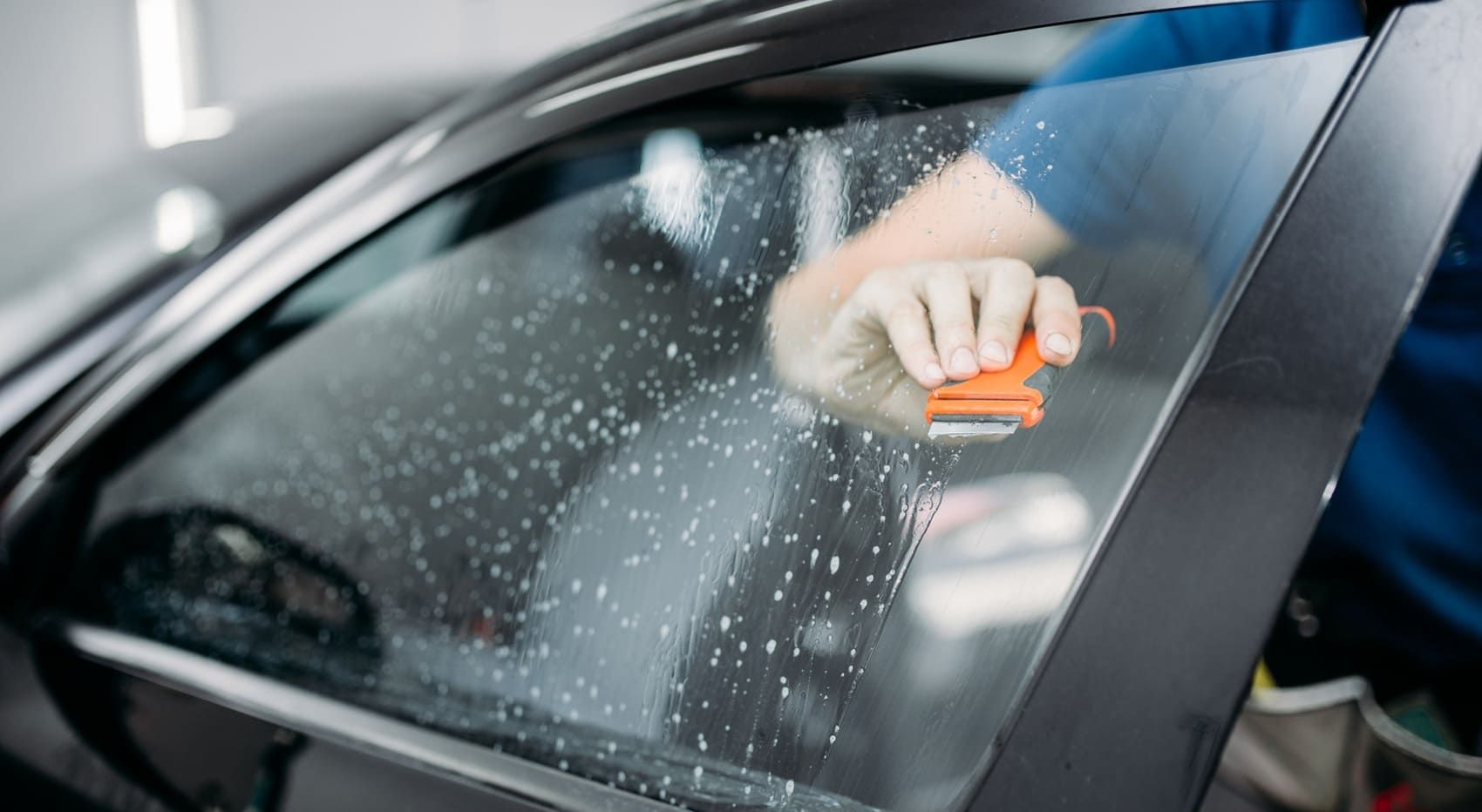
Table of Contents
1. What 20% and 35% Tint Mean (VLT Explained)
2. Privacy Differences: 20 Percent vs 35 Percent
3. Night Driving Visibility and Safety Considerations
4. Heat Rejection and UV Protection with Modern Films
5. Georgia Window Tint Laws: What to Know in Rome
6. How 20% vs 35% Looks on Vehicle Colors
7. Why a Professional Consultation Helps You Choose
8. Quick Comparison Table: 20 vs 35 Window Tint
1. What 20% and 35% Tint Mean (VLT Explained)
When drivers search “20 vs 35 window tint,” they are really asking about visible light transmission. VLT is the percentage of visible light that can pass through the window glass and film combined. The lower the number, the darker the tint appears because less light gets through.
- 35 percent tint means roughly 35 percent of visible light passes through the tinted window.
- 20 percent tint means roughly 20 percent of visible light passes through the tinted window.
In practice, 20 percent tint vs 35 percent tint is a noticeable step darker. Many drivers describe 35 percent as a balanced, everyday shade that still looks tinted but remains relatively easy to see through, especially during the day. Twenty percent is more privacy focused and can look significantly darker from the outside.
One important detail is that the final measured VLT is affected by factory glass. Some vehicles already have lightly tinted rear glass from the manufacturer. If you add film to that glass, the combined VLT can end up darker than the film rating alone. That is why a professional measurement and consultation helps when choosing the best tint shade Rome GA drivers will be happy with long term.
Film technology matters too. Many drivers assume tint performance comes only from darkness. Modern film systems can deliver heat rejection and UV protection at both shade levels. Trim Ideas installs LLumar auto window tint products designed to provide strong optical clarity and comfort benefits whether you choose 20 percent or 35 percent.
2. Privacy Differences: 20 Percent vs 35 Percent
A window tint privacy comparison is usually where the decision starts. Privacy is not just about looks. It can affect how comfortable you feel leaving items in your vehicle, how much you feel exposed at stop lights, and how much sunlight you get from side angles during the day.
35 percent tint privacy: From the outside, 35 percent still allows some visibility into the cabin in bright daylight. You will usually be able to see silhouettes and interior details, especially on lighter interiors or when the sun is directly hitting the window. It is often chosen by drivers who want a clean, factory upgraded look without going too dark.
20 percent tint privacy: Twenty percent significantly reduces what outsiders can see into the vehicle during the day. Interiors become harder to read, and the tint often looks darker and more uniform. This is why many drivers who prioritize privacy choose 20 percent on side windows, especially on SUVs and trucks.
Privacy changes at night. When it is dark outside and you have interior lights on, even dark tint can be see through from the outside. Twenty percent will still offer more privacy than 35 percent, but neither shade is a complete privacy shield at night if the cabin is lit.
For drivers around Rome, GA, privacy priorities often depend on where you park and how you use your vehicle. If your car is regularly parked in public lots, or you carry tools, sports equipment, or personal items, 20 percent can help reduce casual visibility. If you mostly want mild privacy and a refined look, 35 percent may be the more comfortable fit.
3. Night Driving Visibility and Safety Considerations
Night visibility is one of the biggest practical differences between 20 percent tint vs 35 percent tint. The darker the film, the less available light you have when you are driving after sunset, in rain, or on roads with limited street lighting. In the Rome area, that can matter on rural routes, on darker back roads, and during winter evenings when it gets dark early.
How 35 percent feels at night: Many drivers find 35 percent comfortable for night driving because it still allows a meaningful amount of ambient light through side windows. Checking mirrors, spotting pedestrians, and reading side angles in parking lots can feel more natural, especially if you have older headlights or less powerful factory lighting.
How 20 percent feels at night: Twenty percent can feel noticeably darker on side windows. For confident night drivers or vehicles with strong lighting, it can still be manageable. However, it is more likely to feel challenging in poorly lit areas or during heavy rain. If you frequently drive at night, especially on unfamiliar roads, 35 percent may offer an easier daily experience.
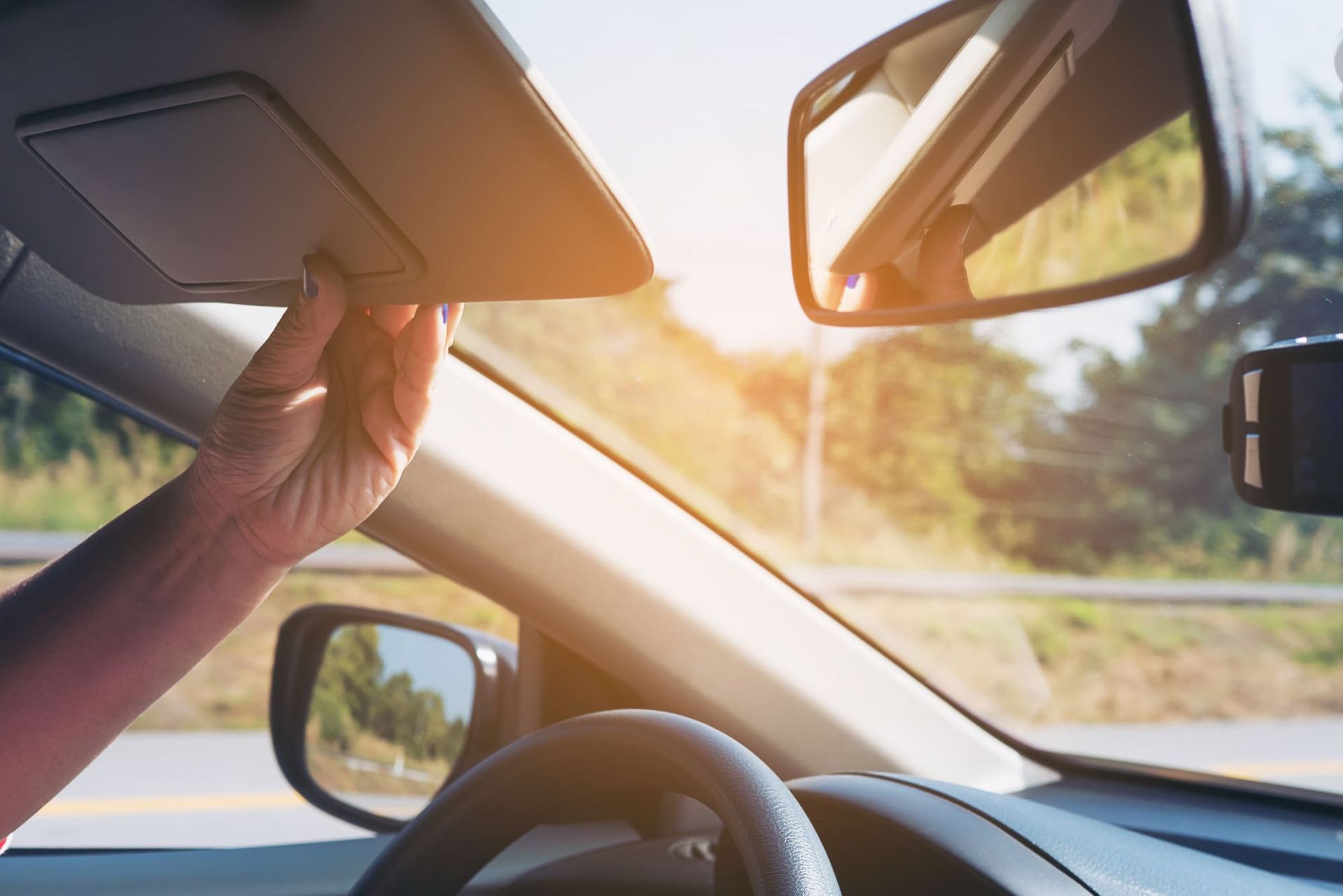
Safety is not only about what you can see. It is also about reducing glare from bright headlights and high beams. Both 20 percent and 35 percent can help with glare reduction, and many drivers appreciate the comfort difference during evening commutes. The key is choosing a shade that reduces harsh glare without making it hard to see critical details when turning or changing lanes.
If you are unsure, a
professional consultation at Trim Ideas can help you test visibility. A good process includes discussing your night driving habits, your vehicle’s lighting, and your comfort preferences. This is especially helpful for drivers who are trying to decide on the best tint shade Rome GA commuters can live with every day.
4. Heat Rejection and UV Protection with Modern Films
Heat rejection is often the deciding factor for drivers who care about comfort. Georgia summers bring high temperatures and strong sun, and even in spring and fall the sun angle can heat up a cabin quickly. A common misconception is that the darkest tint is always the coolest. In reality, film technology plays a major role.
With premium film lines, both 20 percent and 35 percent can deliver strong comfort
benefits. Modern LLumar auto window tint options are engineered to manage solar energy, reduce infrared heat, and block UV rays while maintaining optical clarity. That means you can choose the shade you prefer for privacy and visibility, then choose the film technology level that meets your performance goals.
UV protection: Quality films are designed to block a significant amount of UV radiation, which helps protect skin and reduce interior fading. This can be valuable for drivers who plan to keep their vehicles for years, especially with leather seating, dashboards that get direct sun, and child seats that are frequently exposed.
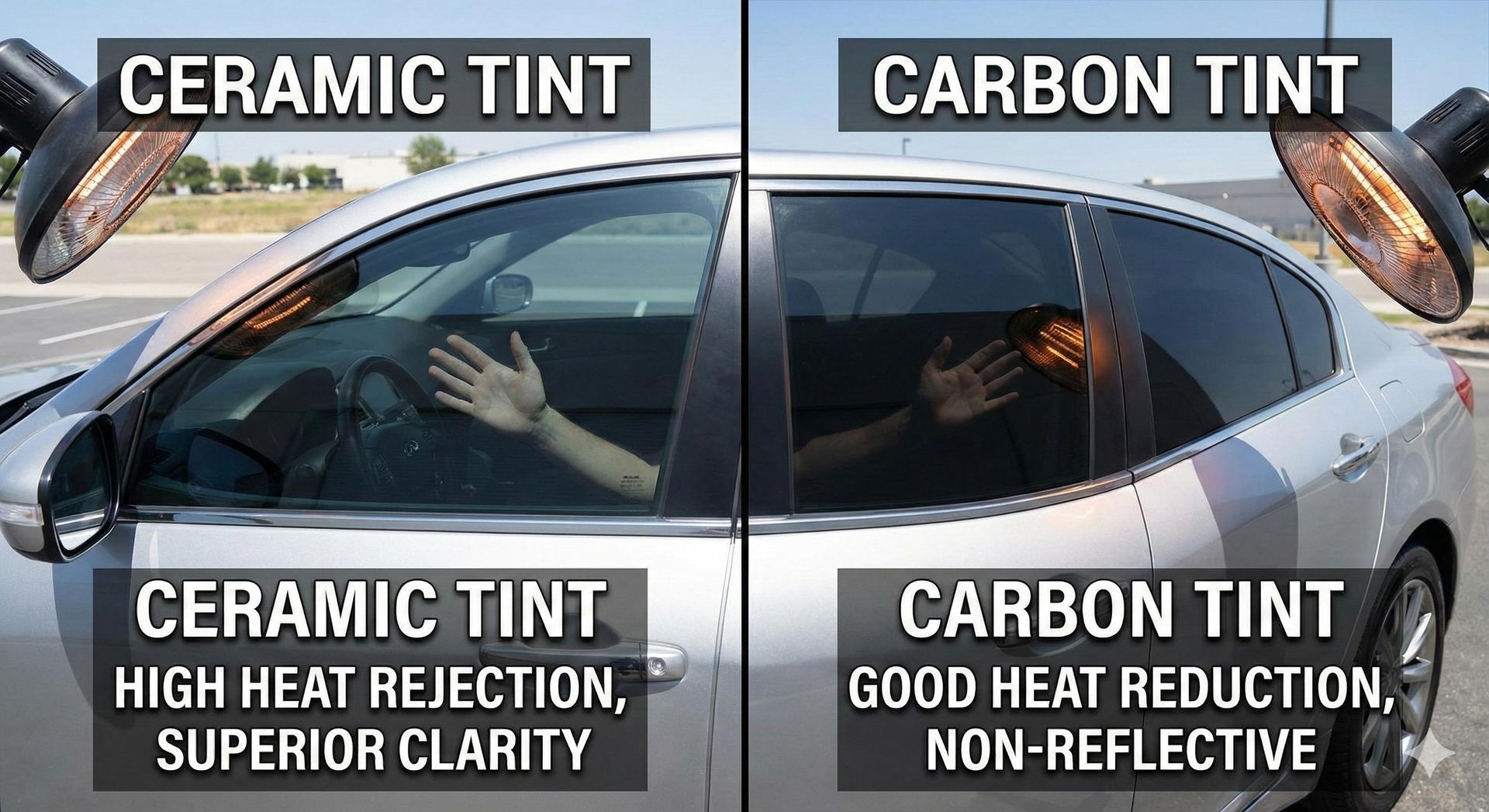
Heat rejection: Heat rejection window tint performance is often strongest in advanced film technologies such as ceramic. A ceramic film in 35 percent can sometimes outperform a basic dyed film in 20 percent for heat comfort. That is why the best approach is to compare film specs rather than selecting shade based on darkness alone.
Trim Ideas focuses on matching the right LLumar auto window tint product to your goals. If you want maximum comfort, ask about film options designed for infrared heat control while keeping the shade within your preferred visibility range.
5. Georgia Window Tint Laws: What to Know in Rome
Legal compliance matters, especially for drivers who want to avoid a fix it ticket or issues during inspections.
Georgia window tint laws are based on VLT and which windows are tinted. Laws can also vary in enforcement by area, which is why local guidance is valuable.
As a general concept, front side windows often have stricter limits than rear windows. Windshield tint rules are also different and usually focus on the upper portion of the glass or very light films. Because the exact legal thresholds and exemptions can change, and because vehicles can differ, it is best to confirm the current requirements before you choose between 20 and 35 percent.
When people ask, “is 20 percent tint legal in Georgia,” they are often asking specifically about the front side windows. The answer depends on the current Georgia VLT requirement and how your vehicle glass measures with film applied. Factory glass and film combinations can create a final VLT that is different than expected.
Trim Ideas can help you select a compliant shade and film combination and explain what makes sense for your vehicle. If your goal is strong comfort without risking compliance, you may choose 35 percent on front windows and a darker shade on the rear, paired with high performance LLumar film technology for heat and UV control.
6. How 20% vs 35% Looks on Vehicle Colors
Appearance matters because tint changes how the vehicle looks from every angle. The best choice often depends on paint color, interior color, and trim style.
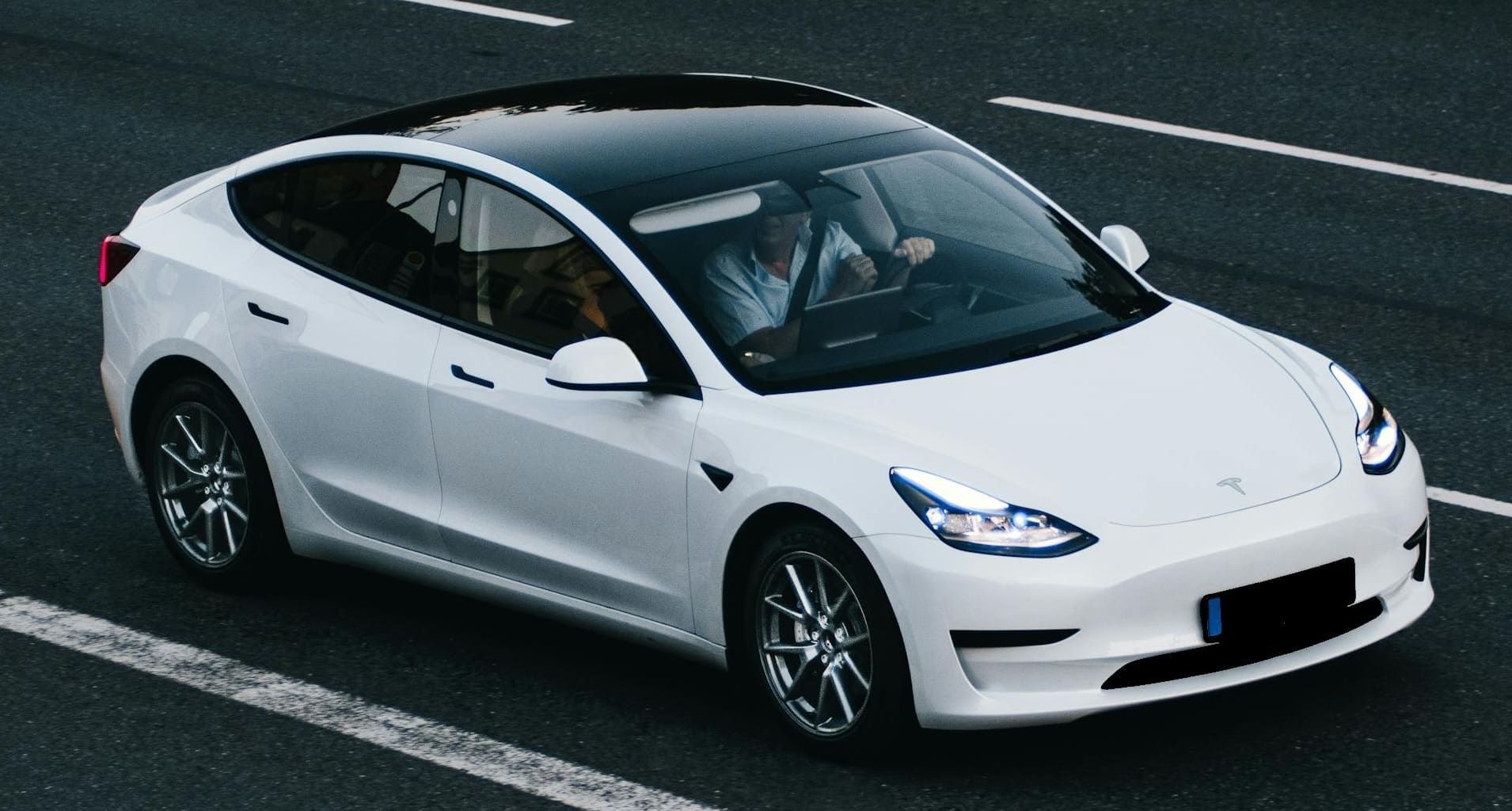
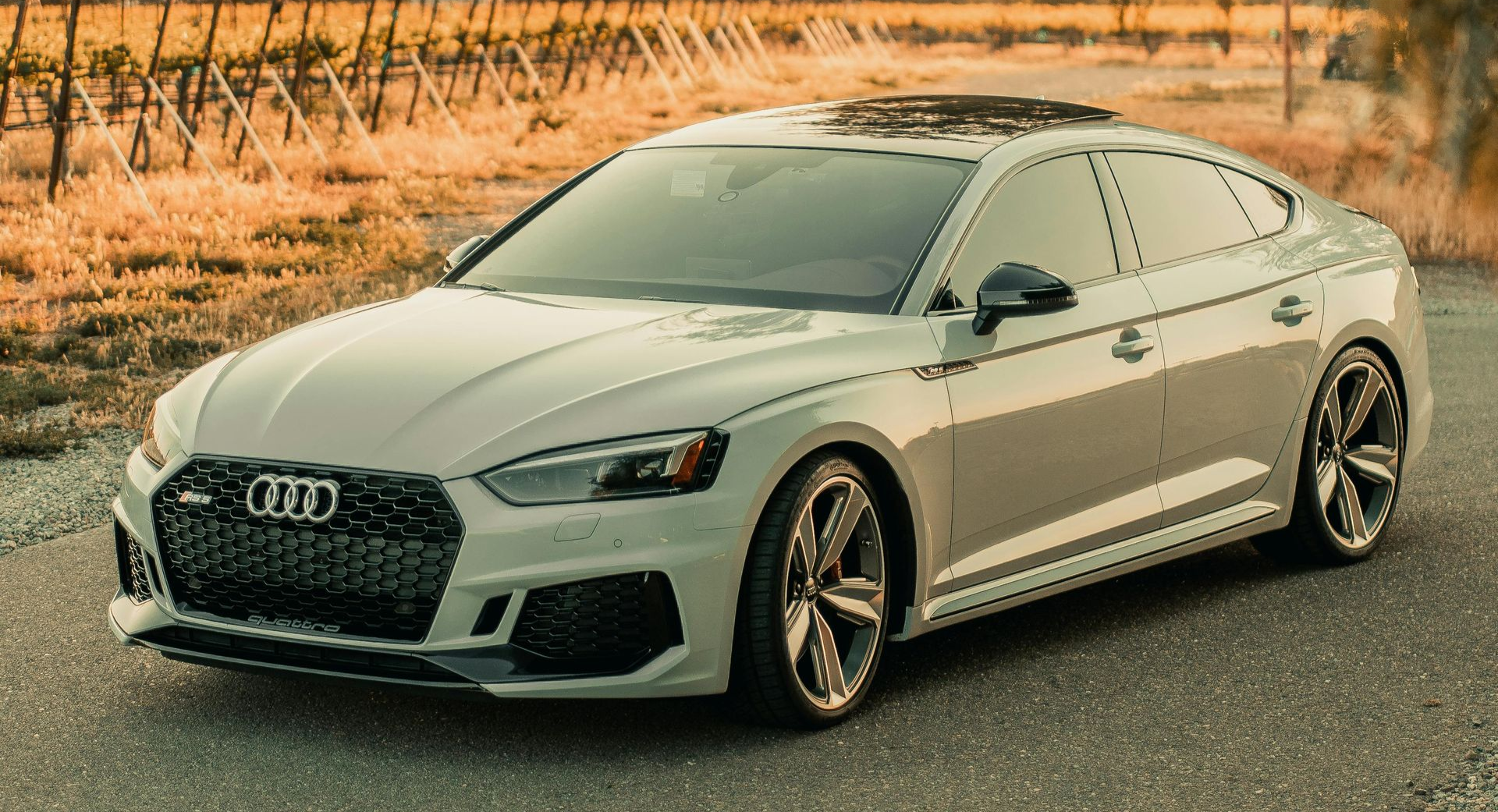
On white, silver, and light colors: Thirty five percent can look classy and clean, giving a subtle tint appearance without making the windows look blacked out. Twenty percent creates a stronger contrast and a more aggressive, privacy oriented look.
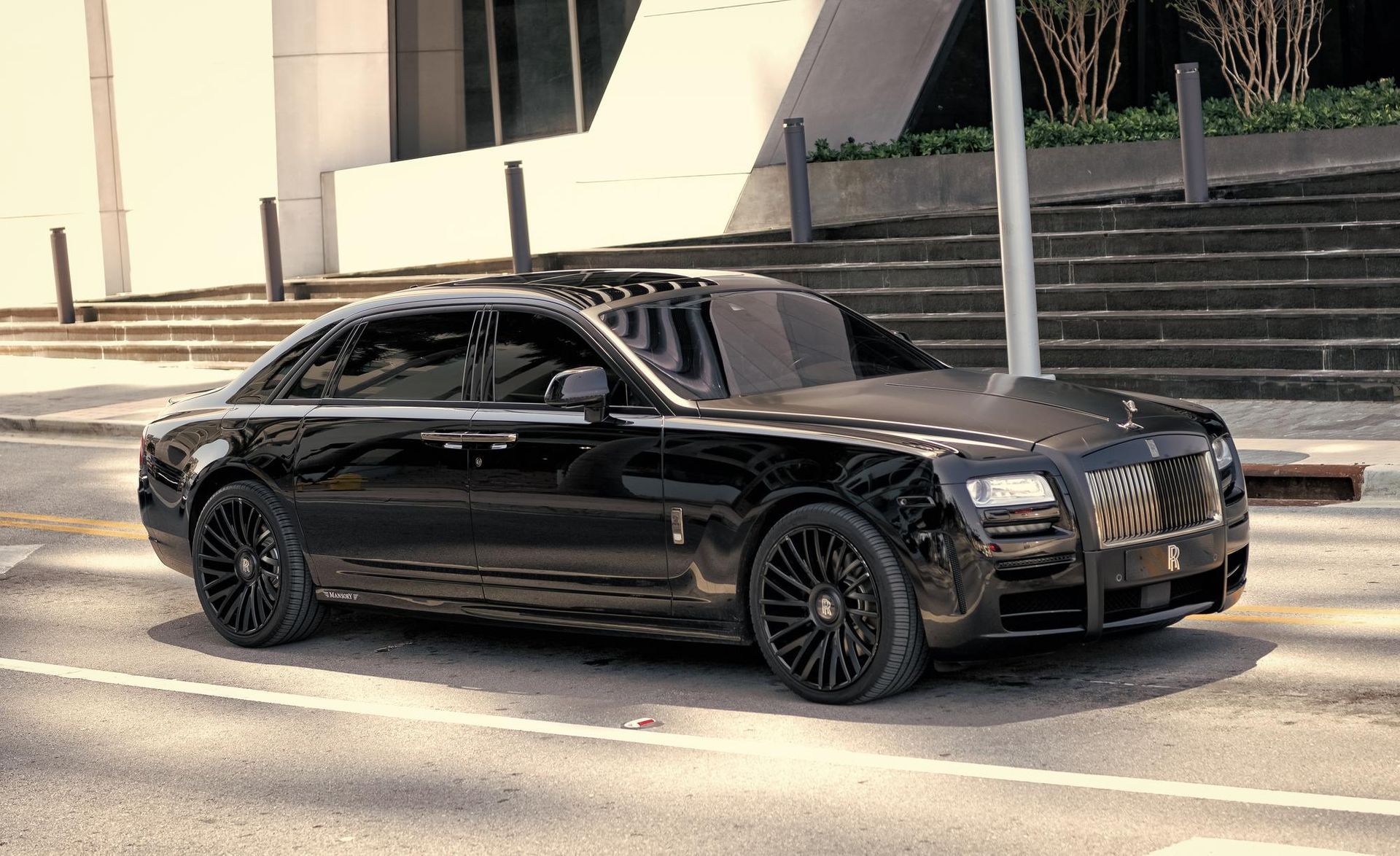
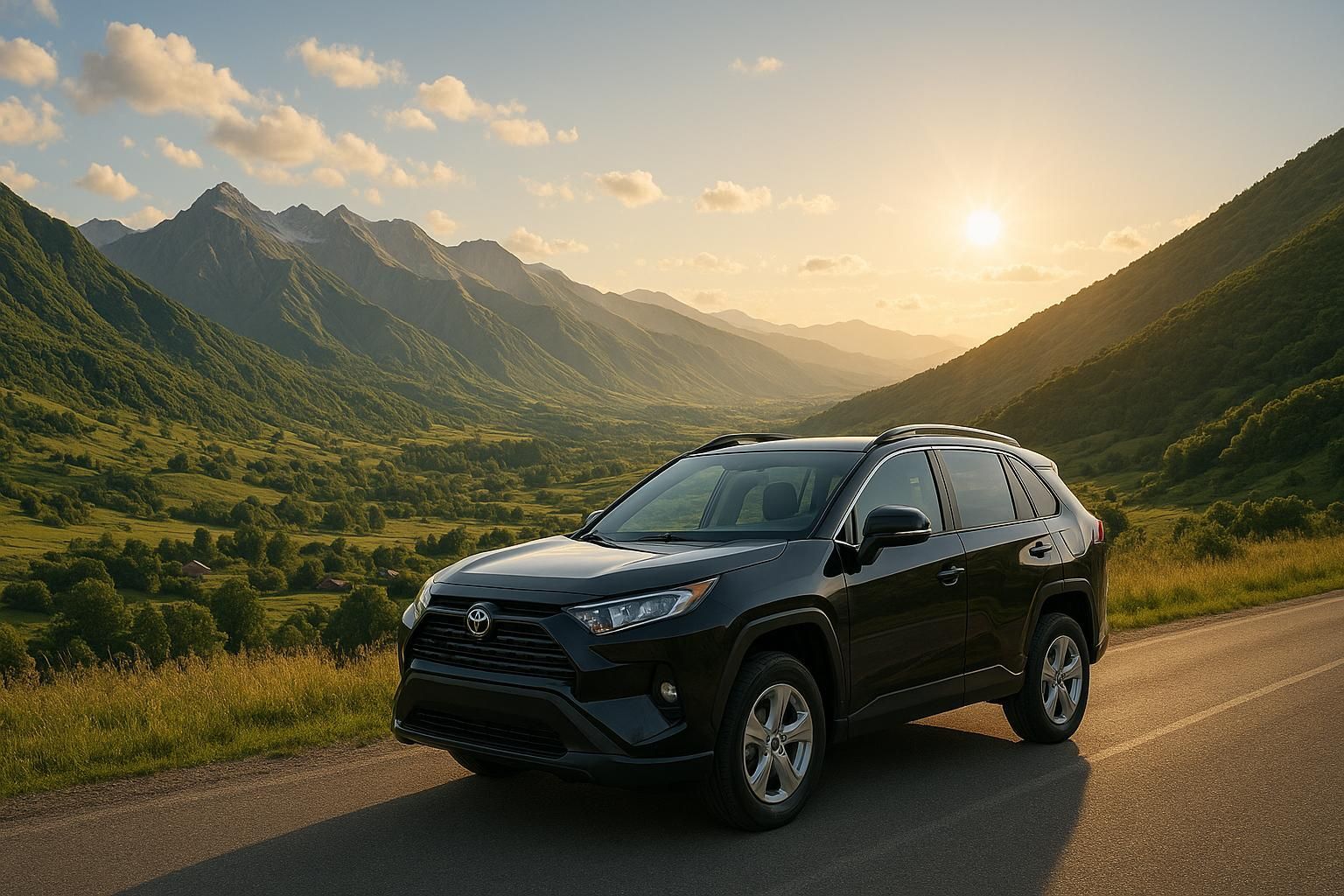
On black, gray, and dark colors: Both shades can look great. Thirty five percent may blend more naturally with factory styling. Twenty percent tends to create a uniform, darker appearance that many drivers prefer on trucks and SUVs.
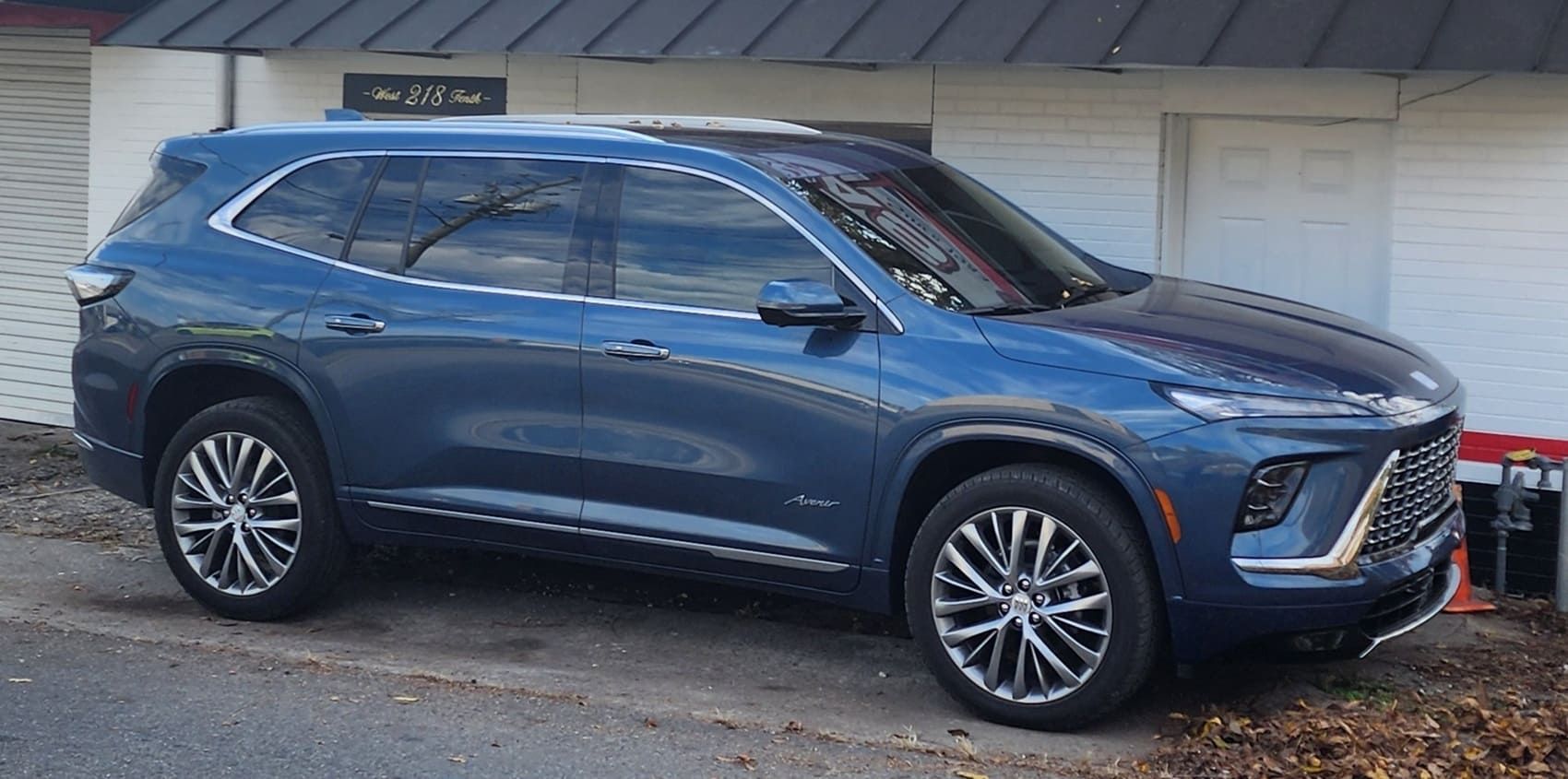
On red, blue, and bold colors: Tint can either highlight the color or make the overall look more stealth. Thirty five percent often keeps the vehicle looking bright and sporty. Twenty percent can create a dramatic look that emphasizes body lines and reduces interior visibility.
Interior color also matters. A light interior is easier to see through, so 35 percent may feel less private on tan or gray seating. A dark interior increases privacy at both shades. This is another reason the decision should include a real window tint privacy comparison on your exact vehicle, not just photos online.
7. Why a Professional Consultation Helps You Choose
Choosing tint is a combination of law, comfort, and personal preference. A professional consultation ensures you get a shade you will be happy with for years and that the film performs as expected. This is especially true if you are comparing 20 vs 35 window tint for a daily driver that sees both city and rural roads around Rome, GA.
At Trim Ideas, a good consultation typically covers:
- Your daily routes and night driving frequency
- Where you park and how much privacy you want
- Your sensitivity to heat and glare
- Your vehicle’s factory glass tint and interior color
- Film technology options in LLumar auto window tint lines
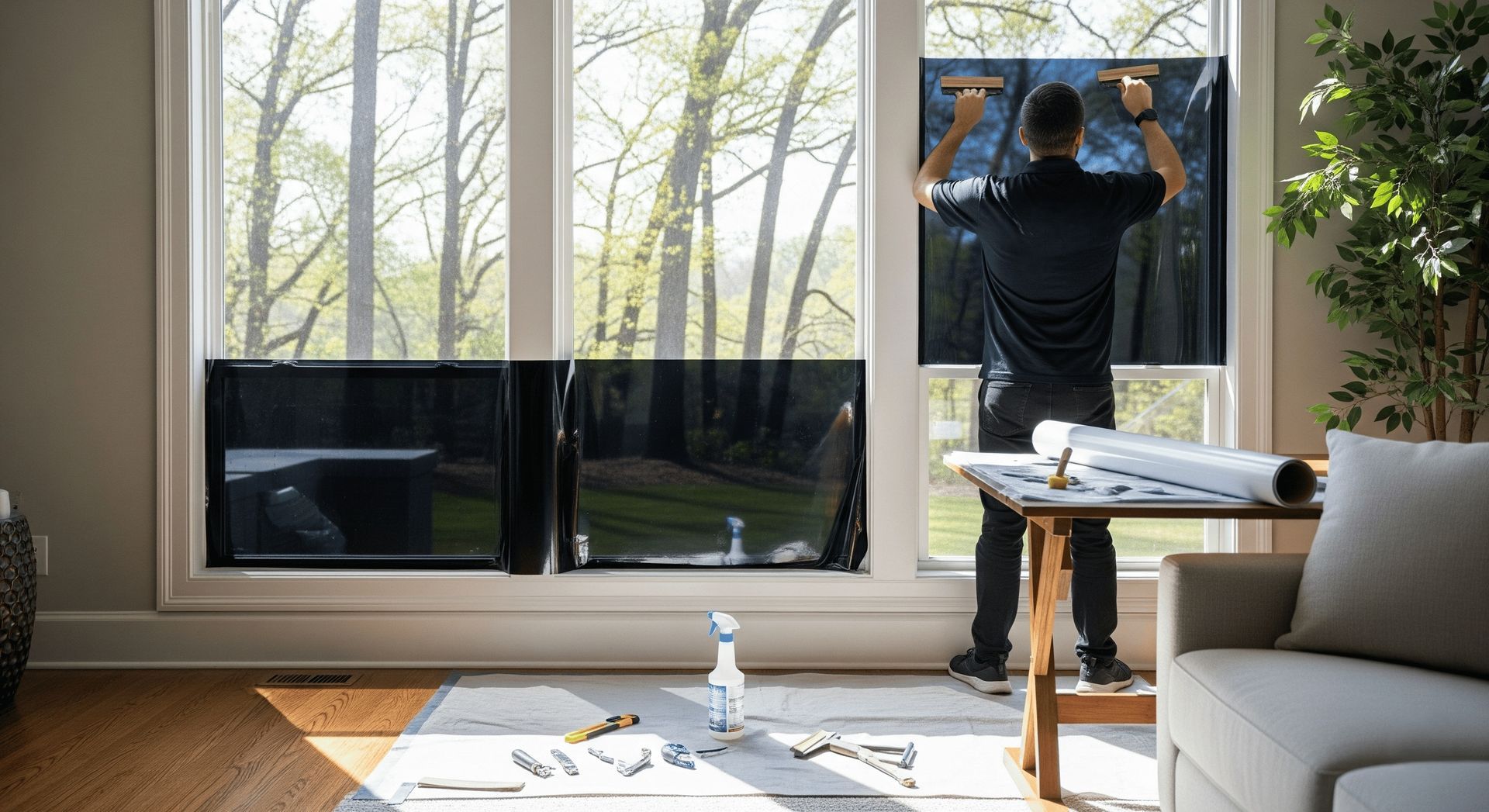
Professional installation also matters. Even the best film will not look or last its best if the installation is rushed or contaminated. Proper glass preparation, precise cutting, and correct curing guidance help ensure the tint remains clear, bubble free, and durable over time.
8. Quick Comparison Table: 20 vs 35 Window Tint
Use the table below as a quick reference. Keep in mind that real performance depends on film technology and vehicle glass.
| Category | 35% Tint | 20% Tint |
|---|---|---|
| Privacy Level (Day) | Moderate | High |
| Night Visibility | Easier for most drivers | Darker, can be harder in low light |
| Glare Reduction | Good | Very good |
| Legal Compliance in Georgia | Often easier to keep compliant | May be less compliant on front windows |
| Comfort Performance | Strong with modern film technology | Strong, plus more shading |
| Overall Look | Refined, factory upgraded style | Bold, privacy focused style |
9. FAQ: 20 vs 35 Window Tint Questions
Which shade is darker at night, 20 or 35?
Twenty percent is darker because it allows less visible light through the glass. At night, that can reduce visibility more than 35 percent, especially in low light areas.
Is 20 percent tint legal in Georgia?
Legality depends on which windows you tint and the current Georgia VLT limits. Factory glass can affect final VLT. Confirm current rules and your vehicle measurement before choosing 20 percent for front windows.
Is 35 percent tint legal in Georgia?
In many cases it is easier to keep 35 percent compliant, especially on front side windows, but you should still confirm your vehicle’s final VLT with film applied.
Does 20 percent tint block more heat than 35 percent?
Not always. Shade helps, but film technology is the bigger factor. A premium LLumar film in 35 percent can outperform a basic film in 20 percent for heat rejection.
Which shade is better for glare reduction?
Both help reduce glare. Twenty percent may feel slightly more comfortable in bright sun, but high quality film technology improves glare control at both shades.
Will tint affect my resale value?
Quality tint can help preserve the interior and improve comfort, which many buyers like. The best results come from professional installation and a compliant shade choice.
Can I tint the windshield in Georgia?
Windshield rules are different than side window rules. Many drivers choose a legal strip at the top or a very light film for comfort. Confirm current laws and your installer’s recommendations.
Is 20 percent too dark for a daily driver?
It depends on your night driving habits and comfort with darker windows. If you drive often at night on poorly lit roads, 35 percent may feel easier.
How can I test visibility before installation?
Ask for a consultation where you can compare sample films on glass, discuss your driving routes, and review how each shade looks on your vehicle color and interior.
What tint should I put on rear windows if I choose 35 percent up front?
Many drivers choose a darker rear shade for privacy, but the best setup depends on your goals and legal requirements. Trim Ideas can recommend a balanced package.
10. Conclusion and Next Steps with Trim Ideas
When you compare 20 percent tint vs 35 percent tint, the core difference is how much light you want coming through your side windows. Thirty five percent offers a balanced blend of style, visibility, and comfort, and it is often the easier choice for drivers who value night driving clarity and a refined look. Twenty percent delivers stronger daytime privacy and a bolder appearance, but it can feel darker at night and may raise more legal compliance questions depending on which windows you tint.
The best choice is the one that fits your lifestyle in
Rome, GA and surrounding areas. If you want the most comfort, remember that film technology matters as much as shade.
Trim Ideas installs LLumar Auto Window Tinting products engineered to deliver strong heat rejection, UV protection, and optical clarity at both 20 percent and 35 percent shade levels.
Ready to decide with confidence?
Contact Trim Ideas in
Rome, GA for expert guidance, professional installation of
LLumar Auto Window Tint, and a
free estimate for window tint solutions tailored to your vehicle and driving preferences.